People Incorporated Huss Residence
2120 Park Avenue
Minneapolis, MN 55404
 Sponsored
About People Incorporated Huss Residence
People Incorporated Mental Health Services is a nonprofit mental health provider, the largest in Minnesota. The organization’s Huss Center for Recovery offers treatment services for adults who identify as male with co-occurring substance use disorder (SUD) and mental illness. They accept most commercial insurance for this 16 bed residential treatment facility located conveniently close to I-35W.
Gender Responsive and Trauma Informed Addiction Treatment
I noticed that this program is gender responsive and uniquely designed for male identifying adults, including cisgender and transgender males. They use harm reduction strategies and meet each client where they’re at in their journey toward sobriety.
They use stagewise treatment interventions. This acknowledges five stages of addiction recovery that lead to action and then maintaining sobriety.
The treatment team includes 24/7 onsite nursing care. They specialize in clients with co-occurring substance use and mental health disorders.
Adjunct Addiction Treatment Services in Minneapolis, Minnesota
Addiction doesn’t happen in a vacuum. Most clients with SUD have mental health challenges. Additionally, they often have problems with poverty, steady employment and stable housing.
I like the way this program helps clients find their motivation for recovery through individualized treatment plans at the appropriate intensity. Harm reduction strategies help clients reduce psychosocial, physical, social, legal, and economic risks and consequences.
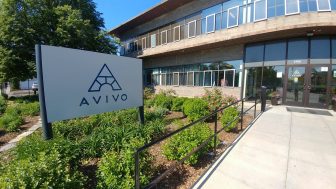
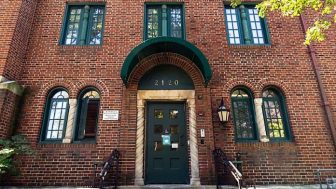
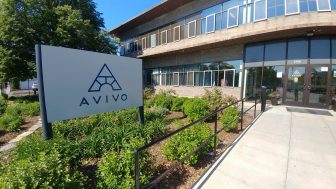
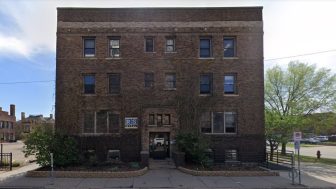
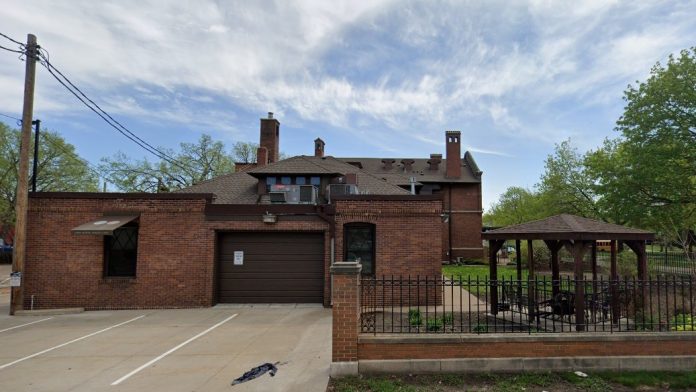
The residence provides comfortable shared bedrooms in a beautiful historic brick building. There are large meeting rooms, an art room, a piano room and an exercise room with some gym equipment. This is a comprehensive addiction and mental health treatment program for male identifying adults ready to lean into their recovery.
Amenities
Private drug rehab provides a comfortable, secure environment that allows you to focus on doing the work to get your life back on track. Benefits include a higher staff-to-client ratio, increased one-on-one time with therapists and healthcare providers, private rooms for clients, and customized forms of therapy.
Residential drug rehab provides the comforts of home with the therapeutic support needed to successfully recover. Benefits of an inpatient program include increased safety, a higher success rate, and the time and distance given to focus on recovery. Residential drug rehabs are often the preferred method of treatment, as they can be tailored to meet specific needs, offer focused therapeutic care, and provide the necessary tools to sustain recovery.
Recreational therapy uniquely combines therapeutic interventions with an activity, like horse-riding, hiking, wilderness therapy, basketball, tennis, or a full workout. Benefits of recreational therapy include providing a healthy way to work through the emotions of recovery, learning to build and maintain relationships, improving communication skills, and building self-esteem.
Yoga and meditation are great activities to support your recovery process during alcohol or drug rehab. These therapies have been around for centuries, and they are an effective way to improve well-being. Combining addiction treatment, yoga, and meditation can reduce cravings, improve sleep, relieve anxiety and depression, provide stress relief, promote relaxation, support emotional healing, and improve energy levels.
In order to maintain a sense of autonomy, many private rehab facilities offer clients the ability to choose their own private rooms. The privacy and personal space ensure that the recovery process is as comfortable as possible.
Addiction Treatment Programs
Recovery is not the same for young adults as it is for older individuals. A young adult program in Minnesota treats the patient as a whole, addressing unique life-stage challenges, dual diagnosis issues, and substance abuse.
When an individual struggles with drug and alcohol use, an adult program in Minnesota can provide treatment and mental health support. Designed for men and women over the age of 18, these programs help individuals obtain and maintain sobriety.
The goal of alcohol rehab in Minnesota is to help you make mental and behavioral changes that lead to recovery and long-term sobriety. Most methods rely on a combination of group and individual counseling to accomplish these goals.
Individuals who attend men’s rehab in Minnesota can expect to spend much of their days in therapy sessions. Therapy is focused on men only, and teaches men how to control urges and cravings and live a healthy, sober lifestyle.
During women’s rehab in Minnesota, women participate in evidence-based therapies to treat their substance use disorders. Therapy methods include individual, group, family, cognitive-behavioral, and dialectical behavior therapy.
After evaluating your needs and budget, staff at opioid rehab in Minnesota will help you determine the length of your treatment and its intensity level, to properly address your degree of opioid dependence. Most programs include detox, addiction therapy, specialized care, and aftercare support.
During women’s rehab in Minnesota, women participate in evidence-based therapies to treat their substance use disorders. Therapy methods include individual, group, family, cognitive-behavioral, and dialectical behavior therapy.
Levels of Care
Outpatient rehab in Minnesota provides a less restrictive environment than inpatient. You’ll live at home while attending just a few hours of counseling sessions per week and receive ongoing support through a program such as AA or NA. This will continue for as long as you need this level of accountability.
If you choose inpatient drug rehab in Minnesota, often referred to as residential rehab, you’ll receive 24/7 care while living at the rehab facility. Typical treatment services include individual and group therapy, medication management, and relapse prevention education.
Detox in Minnesota involves 24/7 supervision by professionals who help you cleanse your body of all addictive substances. This process can take up to a week and may involve medication to ease withdrawal symptoms.
Contact Information


 Sponsored