
Pembroke Hospital
 Sponsored
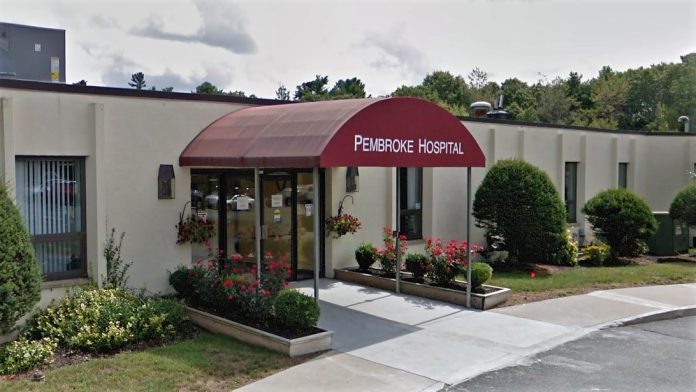
About Pembroke Hospital
Inpatient mental health care is available at Pembroke Hospital, a 120-bed psychiatric hospital in Pembroke, Massachusetts. It doesn't have a separate substance use program, and it doesn't offer residential treatment or intensive outpatient care. Dual diagnosis is treated here, and the psychiatric condition is the primary symptom.
Does Pembroke take MassHealth?
I appreciate that Pembroke Hospital accepts MassHealth along with Medicare, TRICARE and VA for veterans.
It accepts most insurance plans too. If you don't have coverage the team will go over financial resources with you.
Who can be admitted for treatment?
I found that Pembroke Hospital admits teens along with adults 18 and older for inpatient care. The day program accepts teens and adults.
Each age group has its own unit so a teen isn't placed with adults. They include academic tutoring that runs one hour a day during the school year. This helps people in school stay involved in their studies and not fall behind.
Branches South Shore the partial hospitalization day program doesn't include an overnight stay. You can also attend in person or virtually for more convenience. Affordable transportation is available on request at this south shore campus in Massachusetts.
Amenities
Art and music are mediums that connect with our feelings, making them a great recovery tool during addiction treatment. Studies show that combining art/music and drug rehab can have a greater therapeutic impact than drug rehab alone, as you’re able to access parts of your brain and body that you may not have access to during traditional talk therapy. Benefits of art/music therapy include lowering stress and anxiety, promoting healthy neurochemicals, and providing stress relief.
Yoga and meditation are great activities to support your recovery process during alcohol or drug rehab. These therapies have been around for centuries, and they are an effective way to improve well-being. Combining addiction treatment, yoga, and meditation can reduce cravings, improve sleep, relieve anxiety and depression, provide stress relief, promote relaxation, support emotional healing, and improve energy levels.
Music can be extremely therapeutic, serving as a valuable healing tool and an integrative feature of a holistic treatment plan. A music room offers a large number of outlets, including singing, playing musical instruments, and listening to music.
Private drug rehab provides a comfortable, secure environment that allows you to focus on doing the work to get your life back on track. Benefits include a higher staff-to-client ratio, increased one-on-one time with therapists and healthcare providers, private rooms for clients, and customized forms of therapy.
Residential drug rehab provides the comforts of home with the therapeutic support needed to successfully recover. Benefits of an inpatient program include increased safety, a higher success rate, and the time and distance given to focus on recovery. Residential drug rehabs are often the preferred method of treatment, as they can be tailored to meet specific needs, offer focused therapeutic care, and provide the necessary tools to sustain recovery.
Addiction Treatment Programs
Inpatient care takes teens ages 13 to 18, and so does the Adolescent PHP. The Adolescent Inpatient Program treats psychiatric disorders. A teen still in high school can stay in that PHP through age 18.
You'll find inpatient mental health treatment for adults 18 and over. Older adults ages 50 and over are an inpatient age group too.
Cognitive behavioral therapy in Massachusetts is a hands-on method that engages participants in changing their thought and behavior patterns. Rather than a talk-listen approach, individuals are actively involved in working with their therapist to treat their addiction.
Levels of Care
Outpatient services sit at Branches South Shore, not in the hospital itself. Pembroke Hospital runs inpatient psychiatric treatment for teens, adults and older adults.
There's no substance use program here. Psychiatric programs can treat dual diagnosis when the psychiatric disorder is the primary symptom.
Aftercare rehab in Massachusetts gives you continued access to support after rehab. You may need assistance with job coaching, budgeting, education, or accountability as you re-enter your life. Aftercare programs provide these supports, so you can face challenges and maintain a sober lifestyle long-term.
As the most intensive treatment setting, inpatient drug rehab in Massachusetts treatment involves 24/7 supervised care. At this level of care, you typically participate in individual, group, and family therapy sessions, and you may receive medication and additional recreational therapies.
You don’t have to be an expert on interventions to help an addicted loved one. Staff members offer intervention services in Massachusetts, providing support when planning and facilitating an intervention, connecting you with community resources, and helping with the development of your loved one's treatment plan.
Branches South Shore runs the partial hospitalization programs. It's short-term intensive day treatment for people whose mental health concerns affect how they cope and function.
Accreditations
Accepted Insurance




Contact Information


 Sponsored
Patti Croft is a full-time writer who writes about accessing effective addiction treatment during the day but is also pursuing her dream of penning a novel in her spare time. She enjoys copious amounts of coffee as creative fuel and sharing an office with her adorable cat, Beau. Her background is in healthcare management, and she is a passionate advocate for mental health and addiction care.
Rehabs.org regularly reviews this listing for accuracy but changes may occur between updates. For the most up-to-date information, please contact Pembroke Hospital.
Nearby Treatment Centers


Popular Massachusetts Cities
More Cities View Other Massachusetts CitiesFAQs
What insurance does Pembroke Hospital accept for mental health treatment?
Most insurance plans are accepted. The payer list includes Aetna, Blue Cross Blue Shield, Cigna, Harvard Pilgrim, Tufts, United Behavioral Health, MassHealth, Medicare and TRICARE. If you don’t have coverage, staff can talk through the financial resources available to you. Read more on health insurance for rehab.
Is care here inpatient, outpatient, or both?
Inpatient psychiatric treatment is at the hospital. Outpatient services, including partial hospitalization, are at Branches South Shore, and those programs can be in person or virtual. It’s short-term intensive day treatment for mental health concerns that affect coping and function. Psychiatric programs can treat dual diagnosis when the psychiatric disorder is the primary symptom. Discharge planning then aims at a less intensive level of care or an aftercare service.
Who can get treatment, and at what ages?
Inpatient care takes teens ages 13 to 18, adults 18 and over, plus older adults 50 and over. The Adolescent Inpatient Program treats teens 13 to 18 with psychiatric disorders. The Older Adult Inpatient Program is for adults ages 50 and over. The Adolescent PHP serves teens 13 to 18, or through 18 if a teen is still in high school. See inpatient rehab.
What is the setting like, and can you get a ride?
Teens, adults and older adults are treated on separate dedicated units. Inpatient care includes 24-hour nursing in a locked, secure setting. The campus is smoke-free, so tobacco isn’t allowed anywhere on it. Transportation options are available if you ask. In the Adolescent PHP, teens get one hour of academic tutoring each school day during the school year.
Is there a substance use program at this hospital?
No. There is no substance use program here. Psychiatric treatment programs can still help a person with dual diagnosis, meaning a psychiatric disorder alongside a substance use disorder, but the psychiatric disorder has to be the primary symptom. That limit applies across the psychiatric programs.
