Pathway to Hope Counseling Services
1341 West Hill Avenue
Valdosta, GA 31601
 Sponsored
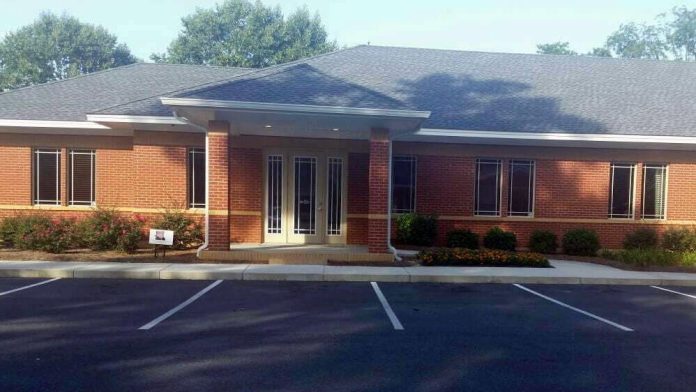
About Pathway to Hope Counseling Services
Pathway to Hope Counseling Services provides an array of services to individuals with substance abuse and mental health conditions. They're based near John Saunders Memorial Park in Valdosta, Georgia. The range of services includes drug screening, depression assessments, family assessments, and in-home intensive treatment and crisis intervention.
A Vast Range of Mental Health and Addiction Resources
The core of their services for substance use disorders, includes individual, group, and family therapy, case management, nursing assessments, and parenting classes. Intensive family services aim to keep the family together by providing crisis intervention, vocational rehabilitation, and substance abuse treatment.
Anger management treatment and parenting training can be included when needed. I love that they recognize that substance abuse and mental health conditions affect not only you, but members of your family.
School Partnerships Address Student Issues
They partner with local school systems to provide faculty support services, training and consultations, and individual crisis stabilization to ensure students have access to the necessary care needed to stabilize their situation.
They work closely with the Department of Family and Children's Services to provide early intervention, home evaluations, and trauma assessment, which help identify challenges faced by families who are impacted by substance use disorders.
I saw that they have additional services include a supportive housing program, anger management and conflict resolution, and agency consultation and training.
They employ licensed professionals and provide services in English and Spanish. They are CARF accredited with a staff that together has more than 150 years of experience in counseling. They provide services to 14 of the surrounding counties and have a location in Atlanta, Georgia.
Amenities
Private drug rehab provides a comfortable, secure environment that allows you to focus on doing the work to get your life back on track. Benefits include a higher staff-to-client ratio, increased one-on-one time with therapists and healthcare providers, private rooms for clients, and customized forms of therapy.
Residential drug rehab provides the comforts of home with the therapeutic support needed to successfully recover. Benefits of an inpatient program include increased safety, a higher success rate, and the time and distance given to focus on recovery. Residential drug rehabs are often the preferred method of treatment, as they can be tailored to meet specific needs, offer focused therapeutic care, and provide the necessary tools to sustain recovery.
In order to maintain a sense of autonomy, many private rehab facilities offer clients the ability to choose their own private rooms. The privacy and personal space ensure that the recovery process is as comfortable as possible.
Addiction Treatment Programs
Treatment services at an adult program in Georgia are typically offered on a continuum of care. These intensity levels address unique needs as individuals progress through various stages of recovery.
Negative thought patterns can lead to substance abuse as a way to self-medicate. During cognitive behavioral therapy in Georgia, individuals learn how to identify and stop these negative patterns and manage them in healthy ways that don’t involve substances.
For older adults in need of addition treatment, elderly rehab in Georgia offers a variety of treatment options. Levels of care include inpatient programs, outpatient treatment, medical detox, preventive services, and aftercare. Each is designed to meet the needs of senior clients..
A young adult program in Georgia focuses on the motivations, challenges, and needs of this stage of life. Participants receive treatment tailored to this age bracket.
Addiction and substance use treatment affect men and women differently. Women’s rehab in Georgia addresses the internal and external factors that women face which differ from men.
By offering men’s rehab in Georgia, addiction treatment centers provide an outlet for men to build bonds with other men who are facing similar challenges. The relationships formed can help men reduce their risk of relapse.
Levels of Care
For those with a moderate addiction, outpatient rehab in Georgia is often appropriate. This involves attending individual and group counseling sessions each week. Outpatient treatment may continue long-term if needed, until you are ready for the next stage of your recovery journey.
Georgia aftercare rehab helps you navigate sober living after treatment. As you re-enter life, you’ll have support to help you face challenges and avoid relapse. Most people need aftercare for several months, and it’s common to remain in aftercare for a year or more.
Both substance abuse and mental health disorders cause brain imbalances, so they often feed off each other. Treatment for dual diagnosis in Georgia provides access to addiction and mental health specialists, to effectively treat both conditions at once.
Accreditations
Contact Information


 Sponsored