Charles K Post Addiction
998 Crooked Hill Road
Building 1
Brentwood, NY 11717
 Sponsored
About Charles K Post Addiction
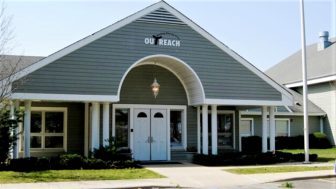
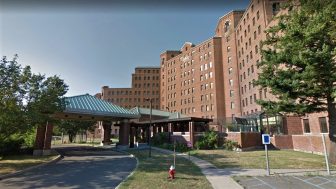
The Brentwood Outreach Recovery Center is a rehabilitation facility that offers mainly outpatient treatment for adults facing addiction. From its location in Brentwood, New York, it provides proven therapeutic practices to help clients form a path to recovery. Whether undergoing inpatient or outpatient treatment, clients address the underlying causes of their addiction and learn to cope with stressors without resorting to substance use.
Residential treatment at Brentwood Outreach Recovery Center is currently only available to adult men. It provides a sober and structured living environment where clients can heal from trauma and addiction, while also learning the skills needed to reintegrate into their families and the community.
In outpatient treatment, clients participate in individual, group, and family therapy to address the reasons that drive their drug use, co-occurring problems, and issues with life skills. There is also an impressive array of group counseling including relapse prevention, symptom management, spirituality and recovery, self-esteem, and strength over struggle.
One of the standouts of the Brentwood Outreach Recovery Center is the specialized substance use program for veterans. It includes support and treatment for post-traumatic stress disorder and other triggers from time spent in the military, veteran support groups, family therapy, and vocational skills.
Amenities
Private drug rehab provides a comfortable, secure environment that allows you to focus on doing the work to get your life back on track. Benefits include a higher staff-to-client ratio, increased one-on-one time with therapists and healthcare providers, private rooms for clients, and customized forms of therapy.
Residential drug rehab provides the comforts of home with the therapeutic support needed to successfully recover. Benefits of an inpatient program include increased safety, a higher success rate, and the time and distance given to focus on recovery. Residential drug rehabs are often the preferred method of treatment, as they can be tailored to meet specific needs, offer focused therapeutic care, and provide the necessary tools to sustain recovery.
Recreational therapy uniquely combines therapeutic interventions with an activity, like horse-riding, hiking, wilderness therapy, basketball, tennis, or a full workout. Benefits of recreational therapy include providing a healthy way to work through the emotions of recovery, learning to build and maintain relationships, improving communication skills, and building self-esteem.
Addiction Treatment Programs
While at a young adult program in New York, young people can participate in activities and therapy sessions that cater to their age bracket. They can also form relationships with other young adults for mutual support.
A quality adult program in New York provides a combination of medical, mental, and emotional support to treat the whole individual. Various methods are used to help adults achieve and maintain sobriety.
To address the full range of issues involved in alcohol use disorder, an alcohol rehab in New York often incorporates a variety of treatment methods. Physical activity, nutrition, psychotherapy, and support groups are common aspects of treatment.
Some men benefit most from men’s rehab in New York. These programs understand the unique challenges that men face when struggling with addiction, and they offer personalized treatment to address these challenges.
Men and women face different issues when it comes to addiction and recovery. Women’s rehab in New York offers treatment approaches that address life issues that are specific to women.
There are many options available for opioid rehab in New York. Treatment programs include detox, inpatient rehab, outpatient rehab, or intensive outpatient programs (IOPs). Consider the severity of your addiction, how long you’ve been addicted, and personal history to determine which type of program is best for you.
Cognitive behavioral therapy in New York emphasizes how thoughts affect mood. It is a goal-oriented method that teaches participants how to address dysfunctional thoughts and underlying beliefs that can lead to substance abuse and addiction.
When you choose drug rehab in New York, you’ll participate in a variety of treatments that are designed to help you live a drug-free lifestyle. Common methods of treatment include group, individual, and family counseling, medication management, nutrition, exercise, and management of co-occurring mental health disorders.
Men and women face different issues when it comes to addiction and recovery. Women’s rehab in New York offers treatment approaches that address life issues that are specific to women.
Veteran’s rehab in New York helps Veterans quit using alcohol and drugs and reduce the risk of relapse with specialized treatment. Specialists help Veterans adjust to life outside the military, address previous trauma, and live a sober lifestyle.
Levels of Care
Mental health disorders that co-occur with substance abuse disorders often cause relapse. For successful recovery, both disorders must be treated, with dual diagnosis treatment in New York. Common methods include cognitive-behavioral therapy, medication management, and counseling.
Once rehab is complete, aftercare rehab in New York steps in to prevent relapse. This program gives you access to resources that reduce stress and help you successfully navigate challenges. Studies show that people who take advantage of these resources are more likely to maintain long-term recovery.
Inpatient drug rehab in New York can last 28 to 90 days, depending on the program. During that time, you’ll live at the rehab facility and receive various treatment methods including individual and group therapy.
A New York sober living program is appropriate for those who want to stop using drugs or alcohol but don’t feel ready to do so on their own. This communal environment allows you to live with others who are in recovery, for mutual support and accountability. A structured schedule and strict house policies help you strengthen your recovery skills, until you are strong enough to live independently.
Accreditations
Contact Information


 Sponsored