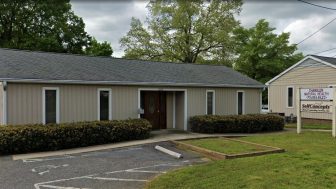
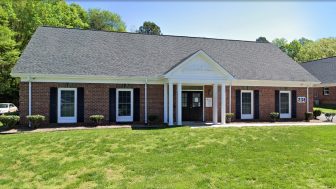
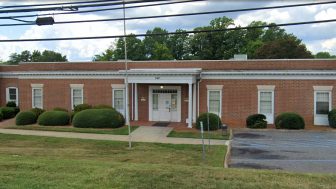
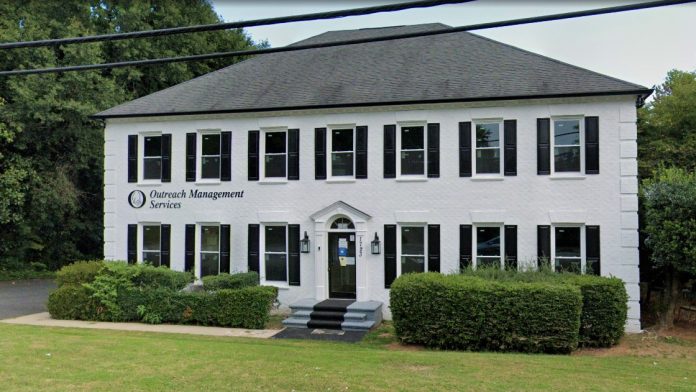
Outreach Management Services
1723 Armstrong Park Drive
Gastonia, NC 28054
 Sponsored
About Outreach Management Services
Outreach Management Services is an outpatient addiction treatment center in Gastonia, North Carolina specializing in substance use and mental health support. I found the center offers flexible appointment options including both in-person and telehealth services.
What kinds of addiction treatment does Outreach Management Services offer?
Services include medication assisted treatment with Suboxone for opioid addiction and client and group counseling as well as relapse prevention and DUI assessment and SAP classes followed by recovery support through case management and peer resources.
Telehealth appointments and virtual SMART assessments are also available for eligible clients.
Who can get help here?
The center serves adults facing substance use disorders, including those struggling with opioid addiction, as well as clientswith co-occurring mental and behavioral health needs. I noted they also support clients referred for DUI assessments or impaired driving programs.
Where is the center located?
Outreach Management Services is located on Armstrong Park Drive in Gastonia, North Carolina offering community based care close to local neighborhoods and services.
Amenities
Private drug rehab provides a comfortable, secure environment that allows you to focus on doing the work to get your life back on track. Benefits include a higher staff-to-client ratio, increased one-on-one time with therapists and healthcare providers, private rooms for clients, and customized forms of therapy.
Residential drug rehab provides the comforts of home with the therapeutic support needed to successfully recover. Benefits of an inpatient program include increased safety, a higher success rate, and the time and distance given to focus on recovery. Residential drug rehabs are often the preferred method of treatment, as they can be tailored to meet specific needs, offer focused therapeutic care, and provide the necessary tools to sustain recovery.
Addiction Treatment Programs
When individuals participate in a young adult program in North Carolina, they feel more at ease in a setting that is age-appropriate. Activities, therapies, and aesthetics are all tailored for this age group, so participants can feel comfortable and are more likely to complete the program.
An adult program in North Carolina typically combines individual and group counseling, medical treatment, and various other therapies to treat substance use disorders. Treatment can take place in an inpatient or outpatient setting.
Alcohol rehab in North Carolina is a course of treatments that helps participants overcome alcohol dependency. Treatments address physical, mental, and emotional aspects of substance use disorder and help the individual develop healthy habits for long-term recovery.
Men’s rehab in North Carolina offers customized treatment for men. These programs provide personalized treatment that is designed with the unique needs of men in mind.
Women’s rehab in North Carolina allows women to receive gender-specific treatment tailored to their needs. Programs are available for alcohol, heroin, prescription drugs, benzos, and any other addictive substances, as well as co-occurring disorders.
Many therapists use cognitive behavioral therapy in North Carolina to treat substance use disorders. This goal-oriented method addresses maladaptive thinking and related beliefs that affect behaviors and can lead to addiction.
There are many types of drug rehab in North Carolina. To receive treatment for addiction, you can choose from many inpatient and outpatient programs. Often, participants start with detox and work through a full continuum of care that continues with ongoing support for long-term recovery.
Elderly rehab in North Carolina provides specialized treatment for addiction among adults ages 55 and older or 65 and older. This treatment typically addresses dual diagnosis, substance use disorder, and age-specific concerns of seniors.
Levels of Care
Outpatient rehab in North Carolina is often the next step for those who complete an inpatient program. This less restrictive treatment involves several hours of therapy per week, and accountability through 12-step meetings such as AA. You’ll continue this treatment as long as needed, which could be weeks, months, or years.
Some of the most common co-occurring mental health disorders include anxiety, depression, and eating disorders. When these are present alongside substance use disorder, dual diagnosis treatment in North Carolina is necessary to address both conditions.
Aftercare rehab in North Carolina is a crucial part of relapse prevention. It gives you access to resources that will help you manage stress and overcome life hurdles. Typical services include career coaching, financial guidance, and ongoing counseling and emotional support. These may continue for a few months or more than a year after initial rehab.
Recovery journeys often begin with intervention services in North Carolina. This treatment tool provides key support in planning and facilitating an effective intervention. Intervention specialists can also provide resources to develop treatment plans and guide families through the admission process.
Partial hospitalization programs (PHPs) in North Carolina give you structured treatment during the day but allow you to return home at night. PHPs can include elements like group therapy, individual counseling, and medication management.
Accreditations
Accepted Insurance
Contact Information


 Sponsored
Kimberly Hawkins holds a master’s degree in computing and information sciences from East Tennessee State University. She is a content writer specializing in alcoholism, drug addiction, and co-occurring disorders. Kimberly has been passionate about the subject of addiction since her only sibling passed away due to an accidental overdose. Her other interests include playing the piano, being in tranquil natural environments, and spending time with her adult children.
Rehabs.org regularly reviews this listing for accuracy but changes may occur between updates. For the most up-to-date information, please contact Outreach Management Services.