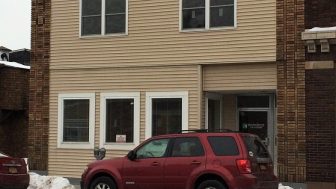
Otsego County Community Services
242 S Main St
#3
Oneonta, NY 13820
 Sponsored
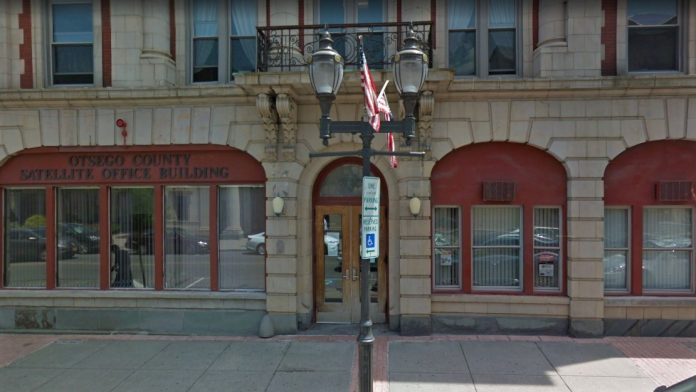
About Otsego County Community Services
Otsego County’s Mental Health office in Oneonta, New York provides dual diagnosis outpatient care to those experiencing mental health and substance use disorders. They accept military insurance, Medicare, Medicaid, other state financed health plans, and county and local government funds. Payment assistance and a sliding fee scale are available to those who qualify, and they have programs for those who are hard of hearing. Services are offered for the hearing impaired.
Therapy and Crisis Intervention Services
With a focus on trauma therapy, they provide individual, group, family, and couples counseling. Modalities such as cognitive behavioral therapy (CBT) and dialectical behavioral therapy (DBT) are used, and medication management is available. I like that they also offer crisis intervention and suicide prevention services. A tobacco cessation program is provided for those who need it.
Treatment for the Whole Family
Treatment is available for adults and seniors, as well as children as young as five and adolescents with serious emotional disturbances. Adults with serious mental illness are also welcome. I think it’s important to note that they offer a special program for court referred clients. Family psychoeducation is provided, and there’s a crisis unit on standby.
Green Spaces of Oneonta
Oneonta is home to an abundance of green spaces for outdoor relaxation and recreation. Emmons Pond Bog offers 11,000 years of history in one site, providing ample opportunity for birdwatching and wildlife viewing. The Robert V. Riddell State Park is more than 2000 acres of fields and forests for serene contemplation, plus a statewide trail network for hiking and plenty of space for fishing. Wilbur Park is located near downtown, an oasis in the middle of the city. It features a picnic pavilion, basketball and tennis courts, a swimming pool, and a playground.
If you’re looking for an indoor activity, the Joseph L. Popp Jr Butterfly Conservatory offers a 3000 square foot conservatory with hundreds of exotic plants to enjoy.
Amenities
Private drug rehab provides a comfortable, secure environment that allows you to focus on doing the work to get your life back on track. Benefits include a higher staff-to-client ratio, increased one-on-one time with therapists and healthcare providers, private rooms for clients, and customized forms of therapy.
Residential drug rehab provides the comforts of home with the therapeutic support needed to successfully recover. Benefits of an inpatient program include increased safety, a higher success rate, and the time and distance given to focus on recovery. Residential drug rehabs are often the preferred method of treatment, as they can be tailored to meet specific needs, offer focused therapeutic care, and provide the necessary tools to sustain recovery.
In order to maintain a sense of autonomy, many private rehab facilities offer clients the ability to choose their own private rooms. The privacy and personal space ensure that the recovery process is as comfortable as possible.
Addiction Treatment Programs
While at a young adult program in New York, young people can participate in activities and therapy sessions that cater to their age bracket. They can also form relationships with other young adults for mutual support.
A quality adult program in New York provides a combination of medical, mental, and emotional support to treat the whole individual. Various methods are used to help adults achieve and maintain sobriety.
Some men benefit most from men’s rehab in New York. These programs understand the unique challenges that men face when struggling with addiction, and they offer personalized treatment to address these challenges.
Men and women face different issues when it comes to addiction and recovery. Women’s rehab in New York offers treatment approaches that address life issues that are specific to women.
During elderly rehab in New York, you’ll participate in a variety of therapies, including individual, group, and family. Common methods include cognitive behavioral therapy, 12-step methods, and case management, all with a focus on age-specific needs.
Levels of Care
For those who require accountability but less intensive oversight, outpatient rehab in New York is a good option. During this treatment, you meet regularly with a counselor and attend support group meetings, for accountability and encouragement. This may last for a few weeks or months, based on your recovery journey.
Mental health disorders that co-occur with substance abuse disorders often cause relapse. For successful recovery, both disorders must be treated, with dual diagnosis treatment in New York. Common methods include cognitive-behavioral therapy, medication management, and counseling.
Once rehab is complete, aftercare rehab in New York steps in to prevent relapse. This program gives you access to resources that reduce stress and help you successfully navigate challenges. Studies show that people who take advantage of these resources are more likely to maintain long-term recovery.
Accreditations
Contact Information


 Sponsored