
Deltona VA Clinic
 Sponsored
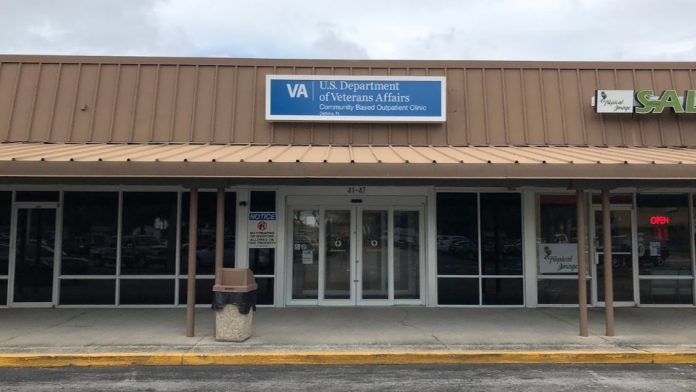
About Deltona VA Clinic
Deltona VA Clinic is an outpatient addiction treatment center in Deltona, Florida. It's a Department of Veterans Affairs clinic, and it admits only Veterans enrolled in VA health care.
I found that substance use care at the clinic can include counseling, group therapy or medication. Primary care and specialty services are in the same clinic.
What a Visit Costs
A visit at Deltona VA Clinic is free, so the appointment itself doesn't add a charge.
Hours and Rides
I also noted that weekday hours in Deltona run from 7:30 a.m. to 4:30 p.m., and the clinic isn't open on weekends, so you come during the workday. Disabled American Veterans arranges rides to appointments already on the schedule, and county Veterans Affairs directors arrange those rides too.
Telehealth visits are offered, including mental health visits. A wheelchair is available on arrival if you need one to get into the building.
The clinic is part of VA health care in Florida.
Amenities
Private drug rehab provides a comfortable, secure environment that allows you to focus on doing the work to get your life back on track. Benefits include a higher staff-to-client ratio, increased one-on-one time with therapists and healthcare providers, private rooms for clients, and customized forms of therapy.
Residential drug rehab provides the comforts of home with the therapeutic support needed to successfully recover. Benefits of an inpatient program include increased safety, a higher success rate, and the time and distance given to focus on recovery. Residential drug rehabs are often the preferred method of treatment, as they can be tailored to meet specific needs, offer focused therapeutic care, and provide the necessary tools to sustain recovery.
In order to maintain a sense of autonomy, many private rehab facilities offer clients the ability to choose their own private rooms. The privacy and personal space ensure that the recovery process is as comfortable as possible.
Addiction Treatment Programs
Young adults often develop addiction for different reasons than older individuals. That’s why a young adult program in Florida focuses on the unique pressures, needs, and challenges faced by young adults.
Treatment at an adult program in Florida addresses the needs of each individual as they work toward recovery. Programs are designed for men and women ages 18 and up, and include a variety of treatment protocols to match the severity of the addiction, type of substance, and personal situation.
Each alcohol rehab in Florida offers unique amenities and approaches, but most follow the same general guidelines. Treatment includes detox, rehabilitation, and maintenance. This is a proven approach to provide the greatest results for long-term recovery.
Gender-specific addiction treatment gives men who are struggling with substance use disorders a connection point to other men with similar struggles. This common ground can make a huge impact on men’s rehab in Florida.
Often, women who have a substance use disorder also have a co-occurring disorder. Women’s rehab in Florida often addresses both the addiction and mental health disorder with dual diagnosis treatment.
Opioid rehab in Florida provides the care you need to help you safely and comfortably navigate a path to recovery. Treatment addresses both emotional and physical aspects of addiction, offering individualized tracks and custom programs.
Cognitive behavioral therapy in Florida helps people in treatment to revisit painful thoughts and memories and learn new ways to cope with them. These newly-learned techniques replace substance use and help the individual maintain sobriety.
Florida residents who are struggling with substance abuse don’t have to face their challenges alone. Drug rehab in Florida provides quality treatment to help individuals overcome addiction and make a full recovery.
If you're over the age of 65, elderly rehab in Florida gives you the opportunity to be in a treatment program with your peers. This tends to be helpful for older adults because they can receive mutual support and acceptance from their peers. These programs are specifically designed for seniors.
Often, women who have a substance use disorder also have a co-occurring disorder. Women’s rehab in Florida often addresses both the addiction and mental health disorder with dual diagnosis treatment.
Veteran’s rehab in Florida offers programs for alcohol and substance use disorders specifically for Veterans. Treatment focuses on the needs of this population that differ from others, such as combat trauma and adjustments to civilian life.
Therapists use rational emotive behavioral therapy in Florida to help individuals evaluate their irrational beliefs surrounding their substance use behaviors. This therapy helps participants change patterns of thinking and behavior to overcome addiction.
Levels of Care
Outpatient rehab in Florida focuses on relapse prevention and long-term recovery. It typically includes several counseling sessions per week as well as membership in a support group such as NA or AA. This treatment can last several weeks or several months, based on your ongoing needs.
If you are struggling with both an addiction and a mental health disorder, treatment for dual diagnosis in Florida is necessary for successful recovery. This multidisciplinary approach treats both substance abuse and co-occurring disorders such as bipolar disorder, eating disorders, depression, or anxiety.
During initial rehab treatment, you learn how to get sober. Aftercare rehab in Florida helps you learn how to stay sober. Through ongoing counseling, support groups, and life coaching, you’ll develop skills to maintain sobriety as you live a successful life in recovery. This support may last up to a year or more, to keep you on the right track.
Intervention services in Florida can help you plan an intervention, facilitate the intervention, provide invaluable resources you and your loved one, and assist with executing a treatment plan through a qualified drug rehab in Florida. These services are often key to getting a loved one on the path to recovery.
Accreditations
Accepted Insurance
Contact Information


 Sponsored
Patti Croft is a full-time writer who writes about accessing effective addiction treatment during the day but is also pursuing her dream of penning a novel in her spare time. She enjoys copious amounts of coffee as creative fuel and sharing an office with her adorable cat, Beau. Her background is in healthcare management, and she is a passionate advocate for mental health and addiction care.
Rehabs.org regularly reviews this listing for accuracy but changes may occur between updates. For the most up-to-date information, please contact Deltona VA Clinic.
Nearby Treatment Centers

Popular Florida Cities
More Cities View Other Florida CitiesFAQs
What does a visit cost at Deltona VA Clinic?
The listed cost at Deltona VA Clinic is free. A visit carries that listed cost, and there isn’t another charge named. Mental health care sits among the outpatient services. You can read about free drug rehab for the no-cost side.
Can you get telehealth as well as outpatient visits?
Care at the clinic is outpatient, and mental health is among the specialty services. Telehealth visits are offered too, including mental health by telehealth. You can use a remote visit for that mental health care, or come to the clinic. You can read about outpatient rehab.
Which veterans can be seen at the Deltona clinic?
Veterans are who it’s for at this clinic. An enrolled veteran can get a toxic exposure screening at an appointment, or sooner through a Toxic Exposure Screening Navigator. Mental health care is among the outpatient services for that group.
When is the clinic open, and are wheelchairs available?
Hours run from 7:30 a.m. until 4:30 p.m. Monday through Friday, and the clinic is closed on Saturday and Sunday. Wheelchairs are available when you arrive, if you need help getting inside. The weekday hours don’t change from day to day.
Does Deltona VA Clinic offer nicotine replacement therapy?
A primary care doctor can prescribe optional nicotine replacement therapy. Support and strategies are offered to add to that therapy. The prescription comes from primary care. The therapy itself is described as optional.
