
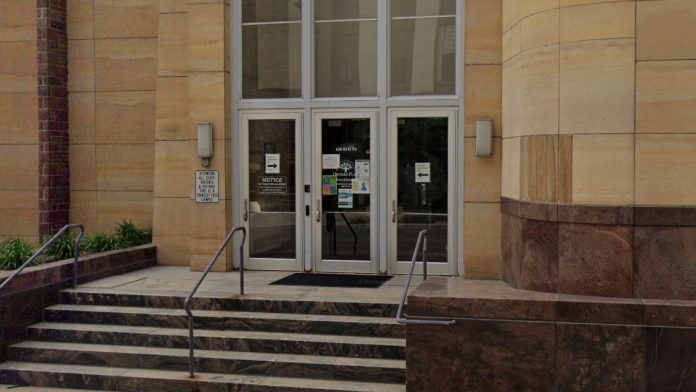
Pace Juvenile Center
620 8th Street
Des Moines, IA 50309
 Sponsored
About Pace Juvenile Center
The Pace Juvenile Center is dedicated to serving children, teens and families struggling with mental health or substance use disorders. I noticed they have a variety of programs addressing different needs. They are based out of Des Moines, Iowa.
Services are designed to prevent out of home placement where possible. As such, treatment focuses on improving functioning in both the family and the client’s communities, such as school or work. The program’s team approach broadens support for clients in and out of treatment.
Working with Juvenile Courts
Pace Juvenile Center has three separate programs for youth involved with the justice system, one of which is bilingual and caters to Latino clients. They serve different needs and groups, but their goals are the same: to correct criminal behavior and offer supervised services in conjunction with legal authorities.
The extra support from this facility addresses addiction and mental health needs while meeting legal requirements for a rounded recovery experience. I want to draw special attention to the Latino client program, LOTS.
It’s not just bilingual support: its services are culturally sensitive. It’s a more personalized and relevant form of care for those of Latino heritage that acknowledges the challenges they commonly face on the path to recovery.
Recovery in Downtown
The clinic’s location near the downtown area puts you in reach of many community resources that can support recovery. At the very least, being close to the heart of the community can aid in community reintegration. It also provides opportunities for clients to unwind or reward themselves after a treatment session by visiting local businesses.
Direct Support for Families
The Integrated Health Program gives family members of clients with a mental health disorder their own personal support team. Their goal is to act as a link between family members and professional support from care providers, social services, and others, as needed.
Amenities
When used as part of an evidence-based treatment plan, basketball can boost physical and mental health, lead to sharper thinking, and facilitate improved self-esteem. Drug rehabs with a basketball court also place a focus on teamwork and cooperation.
There’s nothing more distressing than leaving pets at home when leaving for for rehab. That’s why many addiction treatment programs are now pet friendly, allowing you to bring pets with you while attending a residential drug rehab program. These tailored addiction treatment programs provide a private room that has space to comfortably support you and your beloved furry companion.
Recreational therapy uniquely combines therapeutic interventions with an activity, like horse-riding, hiking, wilderness therapy, basketball, tennis, or a full workout. Benefits of recreational therapy include providing a healthy way to work through the emotions of recovery, learning to build and maintain relationships, improving communication skills, and building self-esteem.
When paired with cognitive-behavioral therapy, exercise can be an effective tool for overcoming addiction. Drug rehabs with a gym offer clients healthy ways to increase energy levels, balance the body’s stress hormone levels, and aid in the brain’s healing process.
Addiction Treatment Programs
A young adult program in Iowa specializes in addiction treatment for young people from their teen years through their late 20s. Some include adults up through age 32. Treatment focuses on recovery challenges that are specific to this stage of life.
Treatment at an adult program in Iowa is targeted for men and women over the age of 18. These recovery services focus on establishing healthy coping skills that allow individuals to stop abusing substances.
The journey through alcohol rehab in Iowa typically involves four key phases. Treatment initiation is followed by early abstinence. Participants then learn how to maintain abstinence, and finally enter advanced recovery. These steps teach individuals how to develop and maintain a healthy, sober lifestyle.
Men’s rehab in Iowa offers multiple levels of care. Treatment programs designed for men include inpatient, outpatient, partial hospitalization programs (PHP), intensive outpatient programs (IOP), detox, and sober living.
Women and men react differently biologically, emotionally, and socially to substance abuse and addiction. That’s why women’s rehab in Iowa provides treatment targeted to meet women’s needs.
Drug rehab in Iowa is available in many formats. A variety of inpatient and outpatient options provide programs tailored to individual needs. The aim of each is to help participants recover from drug addiction.
Recovery is possible for older adults, through elderly rehab in Iowa. Numerous facilities offer this specialized treatment that addresses addiction along with the unique concerns of the elderly.
Triggers can cause a person who is addicted to crave a substance and relapse. Cognitive behavioral therapy in Iowa teaches people how to manage these triggers in multiple ways that don’t involve turning to substances.
Levels of Care
Outpatient rehab in Iowa is tailored to fit each person’s needs. It may last a few weeks or more than a year. During that time, you will attend regular therapy sessions and receive support from a group such as AA or NA. This treatment will help you put strategies in place to prevent relapse and promote recovery.
Once you’ve completed treatment, Iowa aftercare rehab helps you adapt to everyday life. It addresses issues and challenges associated with recovery. It offers practical support to help you maintain a sober lifestyle. This may continue as long as you need it, which for most people is at least one year after initial sobriety.
Iowa dual diagnosis treatment centers focus on treating both mental health and substance abuse disorders. Since these two conditions interact heavily, this dual program is crucial to meet the needs of those who have co-occurring disorders.
Also known as residential treatment, inpatient rehab in Iowa typically involves group and individual therapy, family therapy, medication management, and other therapy methods. Participants receive these treatments while living at the facility under 24/7 care.
Iowa sober living is less intensive than rehab treatment programs. It provides structure and support as you live independently and practice maintaining a sober lifestyle. You’ll reside with others in recovery, attend 12-step meetings, and contribute to household responsibilities. This arrangement can continue until you’re ready to live on your own.
Intervention specialists on staff will help you plan and facilitate your loved one's intervention. They offer access to valuable resources and can assist with the transportation and admission process at a drug rehab in Iowa. These services are often key to getting a loved one to accept the treatment they need.
Accreditations
Accepted Insurance


Contact Information


 Sponsored
Nearby Treatment Centers
945 19th Street
Des Moines, IA 50314

1223 Center St
#22
Des Moines, IA 50309
600 East Court Avenue
Suite 200
Des Moines, IA 50309

1200 University Avenue
Suite 106
Des Moines, IA 50314
