
Pyramid Healthcare—Asheville Medicaid Addiction Treatment Center
119 Tunnel Rd
Suite D
Asheville, NC 28805
 Sponsored
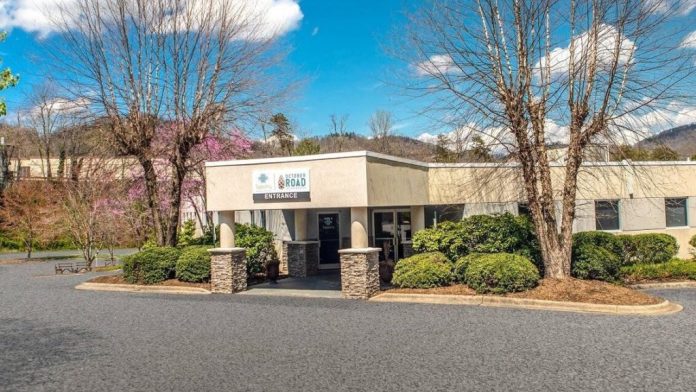
About Pyramid Healthcare—Asheville Medicaid Addiction Treatment Center
Pyramid Healthcare, located in Asheville, North Carolina, offers a treatment center to help individuals struggling with substance use, alcohol addiction, and mental health challenges. Their holistic approach focuses on an individual’s mind, body, and spirit. This location used to be called October Road.
Treatment options can include intensive outpatient services, residential care, a methadone program, and a partial hospitalization program. Pyramid Healthcare is also near the River Arts District for a supportive and creative community to check out during recovery.
Supporting You Through Withdrawal
Medicated-assisted treatment (MAT) is available for individuals struggling with alcohol addiction and opioid use via their methadone clinic. In addition to treating withdrawal symptoms, Pyramid Healthcare offers group therapy sessions twice a week and you’ll network with peers who understand your background experiences.
A Safe Space for Residential Care
I like how you can stay at one of the residential locations from sixty to ninety days. Treatment plans are tailored to your needs and can consist of individual and group counseling, medication management, life skills training, and relapse prevention workshops.
Outside of treatment, you’ll have time to rest and reflect, participate in yoga and/or meditation, and join evening support groups and workshops. The staff at Pyramid Healthcare are dedicated to walking next to you as you gain the tools and skills to leave residential treatment.
Peer Supports
There are a number of peer support specialists at Pyramid Healthcare who are there to bring you insight based on their recovery. I think it can be beneficial to hear about other’s experiences that are similar to yours and hear them from a new perspective. Peer support specialists will assist you in activities like setting treatment goals, teaching life skills, and leading support groups.
They accept Medicare and Medicaid. Private insurance programs are also gladly taken.
Amenities
Transportation services are designed to ensure your addiction treatment begins and ends successfully by offering free transportation to the rehab facility, to and from your appointments during rehab, and back home upon program completion.
Addiction Treatment Programs
When individuals participate in a young adult program in North Carolina, they feel more at ease in a setting that is age-appropriate. Activities, therapies, and aesthetics are all tailored for this age group, so participants can feel comfortable and are more likely to complete the program.
An adult program in North Carolina typically combines individual and group counseling, medical treatment, and various other therapies to treat substance use disorders. Treatment can take place in an inpatient or outpatient setting.
Alcohol rehab in North Carolina is a course of treatments that helps participants overcome alcohol dependency. Treatments address physical, mental, and emotional aspects of substance use disorder and help the individual develop healthy habits for long-term recovery.
Men’s rehab in North Carolina offers customized treatment for men. These programs provide personalized treatment that is designed with the unique needs of men in mind.
Women’s rehab in North Carolina allows women to receive gender-specific treatment tailored to their needs. Programs are available for alcohol, heroin, prescription drugs, benzos, and any other addictive substances, as well as co-occurring disorders.
To overcome opioid addiction, attend opioid rehab in North Carolina. Treatment takes place in inpatient or outpatient care, using a variety of therapies, medications, and other helpful interventions. Length of treatment caries, typically lasting 30, 60, or 90 days.
Many therapists use cognitive behavioral therapy in North Carolina to treat substance use disorders. This goal-oriented method addresses maladaptive thinking and related beliefs that affect behaviors and can lead to addiction.
Elderly rehab in North Carolina provides specialized treatment for addiction among adults ages 55 and older or 65 and older. This treatment typically addresses dual diagnosis, substance use disorder, and age-specific concerns of seniors.
Women’s rehab in North Carolina allows women to receive gender-specific treatment tailored to their needs. Programs are available for alcohol, heroin, prescription drugs, benzos, and any other addictive substances, as well as co-occurring disorders.
The goal of rational emotive behavioral therapy in North Carolina is to help you develop healthy emotional, behavioral, and cognitive patterns so you can increase your quality of life and achieve sobriety goals. This is accomplished by increasing healthy, rational beliefs.
Assertive Community Treatment (ACT) is an integrative, community-based care strategy designed to address the needs of persons with severe and/or complex mental illness or behavioral disorders. ACT is typically provided by a multidisciplinary team of medical and mental health care providers, social workers, therapists, and other specialists, including addiction recovery professionals. These services are frequently provided in the home and community to clients in crisis, those who are clinically unstable, and those who are unable or unwilling to travel to a hospital or clinic for in-person treatment.
Moral Reconation Therapy (MRT) is a form of psychotherapy commonly used in addiction recovery. Based on cognitive behavioral therapy (CBT), moral reconation therapy (MRT) helps clients recognize unhealthy and/or harmful thought patterns and to replace them with more positive and productive ones. MRT is designed to empower clients to make healthier life choices and to more effectively align their behaviors with their moral values.
Levels of Care
Outpatient rehab in North Carolina is often the next step for those who complete an inpatient program. This less restrictive treatment involves several hours of therapy per week, and accountability through 12-step meetings such as AA. You’ll continue this treatment as long as needed, which could be weeks, months, or years.
Some of the most common co-occurring mental health disorders include anxiety, depression, and eating disorders. When these are present alongside substance use disorder, dual diagnosis treatment in North Carolina is necessary to address both conditions.
Aftercare rehab in North Carolina is a crucial part of relapse prevention. It gives you access to resources that will help you manage stress and overcome life hurdles. Typical services include career coaching, financial guidance, and ongoing counseling and emotional support. These may continue for a few months or more than a year after initial rehab.
When you choose inpatient drug rehab in North Carolina, you’ll live at a rehab facility for 28 to 90 days, depending on the program. Typical methods of treatment include group and individual therapy and family counseling.
Nearly all drug rehabs in North Carolina begin with a detox program. When this process is complete, all addictive substances will be purged from your body. You can then move on to the next steps of drug rehab in North Carolina.
Recovery journeys often begin with intervention services in North Carolina. This treatment tool provides key support in planning and facilitating an effective intervention. Intervention specialists can also provide resources to develop treatment plans and guide families through the admission process.
Partial hospitalization programs (PHPs) in North Carolina give you structured treatment during the day but allow you to return home at night. PHPs can include elements like group therapy, individual counseling, and medication management.
Accreditations
Accepted Insurance

Contact Information


 Sponsored
Nearby Treatment Centers
191 Charlotte St
Asheville, NC 28801
90 Asheland Ave
Asheville, NC 28801

25 Choctaw St
Asheville, NC 28801

356 Biltmore Ave
Asheville, NC 28801
