Ocean Monmouth Care
150 Brick Blvd
Brick, NJ 08723
 Sponsored
About Ocean Monmouth Care
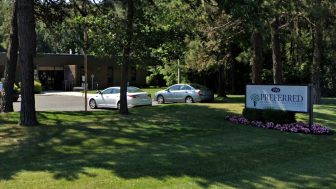
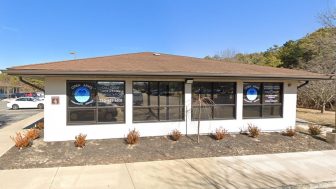
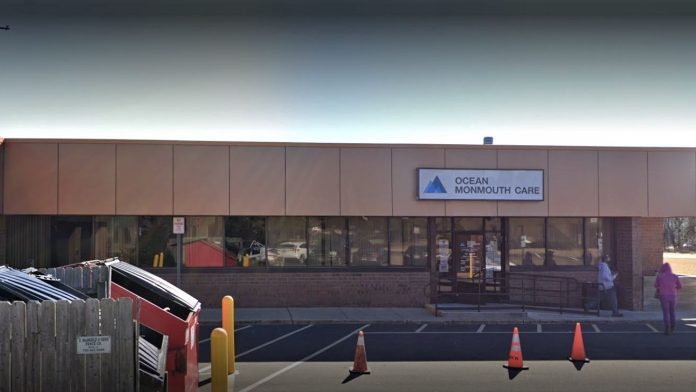
Ocean Monmouth Care is a CARF accredited treatment center located in Brick, New Jersey. They offer treatment to adults who are struggling with substance abuse and co-occurring disorders. They provide outpatient treatment along with a variety of different services including 12 Step support groups, chemical dependency education, individual therapy and group therapy. They accept Medicare and Medicaid.
Before receiving treatment, during the pre admission intake you’ll need to provide a valid photo and insurance ID along with any other important documents regarding medical or legal information. They will conduct a mental health and physical assessment to gain a better understanding of what you need and how they can help you move forward. You will meet with the team of clinicians and receive an orientation to become familiar with the facility and how they operate.
During outpatient treatment you will work with a counselor who will create an individualized treatment plan for you to help you achieve your treatment goals. Your weekly schedule will consist of individual therapy along with recovery support groups. During one on one sessions your therapist will incorporate holistic therapies like EMDR, cognitive behavioral therapy and motivational interviewing. This will help you gain coping techniques to manage stress, elevated emotions, anxiety, grief and depression.
AA/NA meetings will be part of treatment and can help you become more active in your recovery journey. Developing a support network, fellowshipping with others who are in recovery and having a sponsor can create a strong foundation for you to live a life of long term sobriety. Social events and recreational fun can be something you can do with your peers and help you maintain a healthier lifestyle.
Yoga therapy, art and music are some of the other alternative therapies they utilize in treatment. Yoga can improve flexibility and help with relaxation. Art and music can both improve brain function, encourage self expression and boost confidence. These can always be done as a form of self care and become hobbies.
Amenities
Private drug rehab provides a comfortable, secure environment that allows you to focus on doing the work to get your life back on track. Benefits include a higher staff-to-client ratio, increased one-on-one time with therapists and healthcare providers, private rooms for clients, and customized forms of therapy.
Residential drug rehab provides the comforts of home with the therapeutic support needed to successfully recover. Benefits of an inpatient program include increased safety, a higher success rate, and the time and distance given to focus on recovery. Residential drug rehabs are often the preferred method of treatment, as they can be tailored to meet specific needs, offer focused therapeutic care, and provide the necessary tools to sustain recovery.
Recreational therapy uniquely combines therapeutic interventions with an activity, like horse-riding, hiking, wilderness therapy, basketball, tennis, or a full workout. Benefits of recreational therapy include providing a healthy way to work through the emotions of recovery, learning to build and maintain relationships, improving communication skills, and building self-esteem.
Treatment centers with a yoga studio offer a special form of holistic therapy during the recovery process. Yoga boosts mindfulness, a sense of calm, and healthy reflection during drug rehab via breathing exercises, stretching, and a progression of specific postures.
In order to maintain a sense of autonomy, many private rehab facilities offer clients the ability to choose their own private rooms. The privacy and personal space ensure that the recovery process is as comfortable as possible.
Addiction Treatment Programs
There are many benefits to a young adult program in New Jersey. These programs offer a more comfortable environment that helps young adults feel more at home. The peer support provided also helps participants develop healthy relationships for mutual support.
An adult program in New Jersey can take place in different settings. Individuals seeking treatment for addiction can choose from inpatient, outpatient, and sober living homes, which provide treatment at different levels of intensity.
To help you achieve long-term recovery, alcohol rehab in New Jersey addresses addiction issues from medical and psychological viewpoints. By treating the whole person, these programs give you the tools you need to achieve and maintain sobriety.
Gender-specific rehab programs offer a solution to the ways that addiction can affect men and women differently. Men’s rehab in New Jersey focuses on treatments that are most beneficial for men.
Women’s rehab in New Jersey is ideal for women who are uncomfortable in a co-ed treatment environment. Women’s rehab provides a safe and caring setting where they can focus on their treatment and connect with other women who understand.
At opioid rehab in New Jersey, patients receive individualized treatment that is adjusted to meet their needs as they progress toward recovery. Addiction specialists partner with each individual to tailor their treatment to address specific challenges that contribute to their addiction.
During cognitive behavioral therapy in New Jersey, participants develop and learn to implement healthy coping skills. The focus of this psychotherapy method is to change negative thought patterns to positively affect behaviors.
Drug rehab in New Jersey is the process of addressing the complex issues involved with addiction. Challenges are identified and addressed through individual and group counseling. Participants learn how to manage these issues without the use of substances.
Through the use of rational emotive behavioral therapy in New Jersey, addiction counselors can help individuals improve their emotional wellness, strengthen their relationships with others, and reduce the severity and frequency of negative emotions. These benefits help decrease substance use and encourage recovery.
EMDR Therapy is a neurobiological treatment modality used to address trauma disorders and related mental and behavioral health challenges. Short for eye movement desensitization and reprocessing, EMDR is designed to help clients cope with distressing memories and emotions, including fear, sadness, and anger. EMDR may help clients in addiction recovery manage the psychological and emotional triggers that contribute to substance misuse and/or addiction relapse.
Levels of Care
New Jersey outpatient therapy offers a next-step after inpatient treatment. This flexible program is tailored to meet each person’s recovery needs as they step back into life. It includes regular sessions with a counselor and support group, for accountability and continued relapse prevention.
If you have a co-occurring mental health disorder and substance abuse disorder, both must be treated in order for you to recover. Dual diagnosis treatment in New Jersey specializes in this approach. Specialists in both fields will provide the tools and resources you need for recovery.
New Jersey aftercare rehab services help those in recovery adapt to their new, sober lives. This begins after initial rehab treatment ends and can last for up to a year or more. Typical services include support groups, counseling, life coaching, and financial guidance.
Inpatient drug rehab in New Jersey offers the most intensive treatment setting, with 24/7 medical care available. While living at the rehab facility, you’ll participate in various treatments, typically including extensive psychotherapies that draw on modalities like cognitive behavioral therapy (CBT) and motivational interviewing.
When you check into New Jersey Drug Rehab, your first step toward recovery will be detox. This supervised period, which may last up to a week, purges all toxic substances from your body.
If you have been through rehab and don’t have a strong support system at home, sober living in New Jersey may be a good option for you. Many find that this transitional housing setting provides the extra support they need during the first few vulnerable months of recovery.
Intervention services are valuable tools that encourage a person to accept professional treatment from a drug rehab in New Jersey. These services provide support to family members as they plan and stage interventions, choose an effective treatment plans, and navigate the admission process.
Partial hospitalization programs (PHPs) in New Jersey are a great option if you need intensive addiction treatment, but you can’t offload personal or professional responsibilities for the duration of an inpatient treatment program. PHPs provide onsite treatment sessions during the day and allow you to return home at night.
Accreditations
Contact Information


 Sponsored