Oak Arbor
4507 US 49
Hattiesburg, MS 39401
 Sponsored
About Oak Arbor
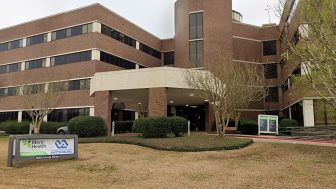
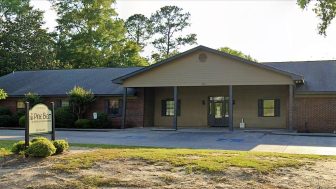
Located in Hattiesburg, Mississippi, Oak Arbor Hattiesburg Addiction Services sits on a peaceful 45 acres just outside the city. They provide structure, support, and second chances for folks in recovery. While it’s not a luxury retreat, it’s the kind of place that gets straight to the root of the issue, offering transitional housing, outpatient programs, and a clear, phased plan to help people rebuild their lives.
Four Phases of Treatment
The treatment approach is broken down into four phases. Starting with the basics, they offer 12-step meetings, sponsorships, and finding full-time employment. Transportation to work might be available. Then they slowly expand your independence until you are ready to reintegrate into daily life.
The intensive outpatient program (IOP) is an option for people who still need support but want to keep living at home or working while in treatment.
Signing Up at Oak Arbor
They’re especially known for working with veterans, offering 24 dedicated apartments and programming that takes military culture and trauma into account. Men and women are housed separately, with a 54-bed men’s unit and a smaller, 13-bed space for women. They’re fully accessible for those who might need a ramp or other special assistance.
Not all feedback has been great, I should warn. One former client raised questions about professionalism, but many others see it as a practical and good setting where real progress can happen if you're committed. The staff is described as experienced and genuinely invested in helping clients get back on track.
Oak Arbor also helps clients tackle real-world issues like transportation and employment, so people aren’t left scrambling once treatment ends. Cost runs about close to $2,000 per month, and they accept Medicaid, private insurance, and some government funding.
Amenities
Private drug rehab provides a comfortable, secure environment that allows you to focus on doing the work to get your life back on track. Benefits include a higher staff-to-client ratio, increased one-on-one time with therapists and healthcare providers, private rooms for clients, and customized forms of therapy.
Residential drug rehab provides the comforts of home with the therapeutic support needed to successfully recover. Benefits of an inpatient program include increased safety, a higher success rate, and the time and distance given to focus on recovery. Residential drug rehabs are often the preferred method of treatment, as they can be tailored to meet specific needs, offer focused therapeutic care, and provide the necessary tools to sustain recovery.
In order to maintain a sense of autonomy, many private rehab facilities offer clients the ability to choose their own private rooms. The privacy and personal space ensure that the recovery process is as comfortable as possible.
Addiction Treatment Programs
A young adult program in Mississippi provides amenities, therapies, and activities customized to individuals in their late teens and early twenties. Treatment addresses the patient as a whole, meeting social, educational, physical, and psychological needs.
An adult program in Mississippi offers medical and psychological treatment for dependency on addictive substances. The program can be short or long-term and can range from high-intensity treatment to basic supportive services.
During alcohol rehab in Mississippi, you’ll work with specialized alcohol counselors to deal with psychological and physical issues related to alcohol use disorder. Treatment is designed to help you make changes that allow you to maintain a healthy, sober lifestyle.
At men’s rehab in Mississippi, therapy programs are tailored to meet the specific needs of men. This allows participants to get to the root of addiction issues and begin a successful recovery journey.
Opioid rehab in Mississippi typically lasts 30 to 90 days. However, longer periods of inpatient treatment are available, as well as outpatient programs and 12-step support programs. Individuals should consult with opioid rehab professionals to determine which program best addresses their severity of addiction and personal needs.
Cognitive behavioral therapy in Mississippi works well for short-term rehab programs because it is an action-focused, rapid treatment method. Participants learn coping techniques they can start using immediately to get results.
According to rational emotive behavioral therapy in Mississippi, thoughts about an event, rather than the event itself, cause dysfunction. This treatment method attempts to correct irrational thoughts to help individuals make better choices for recovery.
Levels of Care
Inpatient rehab provides intensive, round-the-clock care. Programs are designed primarily for those just completing detox, those in early recovery, or those at a high risk of relapse. Additionally, inpatient rehab in Mississippi typically includes extensive forms of psychotherapy.
During outpatient rehab in Mississippi, you’ll attend frequent group meetings and meet regularly with recovery experts. The focus will be to build strategies for sober living and to provide accountability on your recovery journey. This treatment lasts as long as you need it, but most people remain in outpatient rehab for at least 90 days and many for more than a year.
As you begin a new sober life, aftercare rehab in Mississippi provides more indirect support to help you overcome the challenges you face in the initial months or years post-treatment. This may include support and advice from counselors, social workers, 12-step program members, and other recovery experts.
Mental health disorders often play a role in addiction. For those who have both a substance abuse disorder and mental health disorder, such as anxiety or depression, dual diagnosis treatment in Mississippi is necessary for successful recovery.
Designed to set you up for long-term success in recovery, sober living in Mississippi offers a smooth transtion back into socieity. You’ll live in a home with others in recovery, while working or attending school. The structured environment and strict drug-free policies hold you accountable and encourage sober living.
Accreditations
Contact Information


 Sponsored