
Northwestern Medicine Central DuPage Hospital
 Sponsored
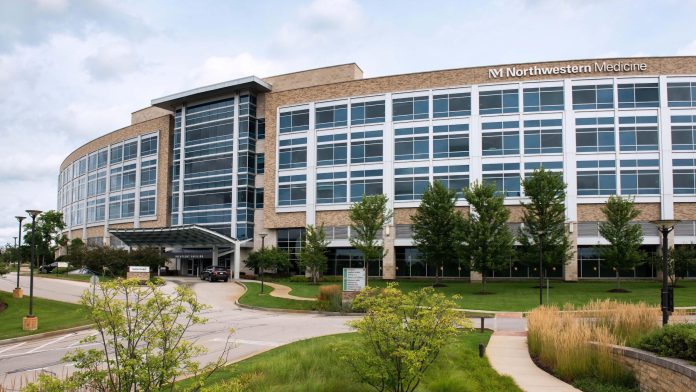
About Northwestern Medicine Central DuPage Hospital
Northwestern Medicine Central DuPage Hospital is a hospital based addiction treatment center in Winfield, Illinois offering a full continuum of substance use care for adults.
I found they are part of an academic affiliated health system connected to Northwestern University Feinberg School of Medicine and deliver research based multidisciplinary care for addiction and co-occurring conditions.
Medical Inpatient Detox and Residential Treatment
Care often begins with a confidential evaluation and medically supervised inpatient detoxification followed by inpatient residential treatment. Clients may step down to full day or half day outpatient programming determined by clinical assessment.
The team also offers medication assisted treatment such as Suboxone and Naltrexone education, psychiatric consultation, and integrated support for co-occurring mental health conditions.
I noted treatment includes counseling, continuing care, and a 12 step abstinence based model.
Quick Facts About Central DuPage Hospital
- Location: Winfield, Illinois, serving DuPage County and beyond.
- Levels of care: Inpatient detox, residential treatment, PHP, and IOP.
- Who they treat: Adults with drug or alcohol addiction and co-occurring disorders.
- Approach: Research based, multidisciplinary care with MAT, 12 step model, and family therapy.
- Payment options: Self pay, private insurance, Medicaid, Medicare, TRICARE, and EAP, with financial assistance available.
- Amenities: Free 24/7 on-site parking with security patrols and escorts.
- Access: Help available 24/7 by phone, with assessments by appointment.
Amenities
Recreational therapy uniquely combines therapeutic interventions with an activity, like horse-riding, hiking, wilderness therapy, basketball, tennis, or a full workout. Benefits of recreational therapy include providing a healthy way to work through the emotions of recovery, learning to build and maintain relationships, improving communication skills, and building self-esteem.
Yoga and meditation are great activities to support your recovery process during alcohol or drug rehab. These therapies have been around for centuries, and they are an effective way to improve well-being. Combining addiction treatment, yoga, and meditation can reduce cravings, improve sleep, relieve anxiety and depression, provide stress relief, promote relaxation, support emotional healing, and improve energy levels.
Treatment centers with a yoga studio offer a special form of holistic therapy during the recovery process. Yoga boosts mindfulness, a sense of calm, and healthy reflection during drug rehab via breathing exercises, stretching, and a progression of specific postures.
Music can be extremely therapeutic, serving as a valuable healing tool and an integrative feature of a holistic treatment plan. A music room offers a large number of outlets, including singing, playing musical instruments, and listening to music.
The massage room offers a wealth of benefits as part of an overall evidence-based drug and alcohol recovery program. Massage therapy boosts blood flow and flushes lactic acid from the muscles, and the vascular benefits last several days after the massage.
Some rehab programs offer free Wi-Fi to guests who have full access to their smartphone devices or laptop computers during treatment. While access to these devices may be allowed, the time spent using them is often regulated or restricted so clients can focus on treatment.
Addiction Treatment Programs
Some of the most common services offered in a young adult program in Illinois include individual and group counseling, medication management, educational courses, and 12-step programs. These programs are tailored to address the challenges of this stage of life.
Individuals who are struggling with addiction to drugs or alcohol can get support at an adult program in Illinois. Designed for men and women over the age of 18, these programs offer rehabilitation treatment and recovery services.
Each alcohol rehab in Illinois is unique, but most include three basic aspects of treatment: medical detox, psychotherapy, and medication. Through these methods, participants receive treatment for the physical, mental, and emotional aspects of alcohol use disorder.
Men’s rehab in Illinois typically includes individual, group, and family therapies. Group sessions are conducted with men only, which encourages greater vulnerability and sharing opportunities among participants.
Women who have substance use disorders are more likely than men to have co-occurring mental health disorders. Women’s rehab in Illinois often provides treatment for dual diagnosis, so women can get help for their addiction and disorders such as anxiety or depression.
Learn the skills you need to break free from opioid dependence at opioid rehab in Illinois. Program options include detox, inpatient rehab, outpatient rehab, counseling, and medication assisted treatment programs, which are tailored to meet the needs of the individual.
In Illinois, cognitive behavioral therapy is an effective method for addiction treatment. It teaches effective communication skills, provides tools to help people improve mood, and empowers participants to dismiss insecurities that can lead to substance abuse.
Elderly rehab in Illinois encompasses a full range of treatment options. Addiction treatment for seniors includes detox programs, outpatient treatment, residential programs, medication assisted treatment, case management, and dual diagnosis.
Many substance abuse treatment plans include rational emotive behavioral therapy in Illinois. This treatment replaces negative decisions with healthy ones, helps prevent relapse, provides conflict-resolution skills, and improves interpersonal relationships.
Assertive Community Treatment (ACT) is an integrative, community-based care strategy designed to address the needs of persons with severe and/or complex mental illness or behavioral disorders. ACT is typically provided by a multidisciplinary team of medical and mental health care providers, social workers, therapists, and other specialists, including addiction recovery professionals. These services are frequently provided in the home and community to clients in crisis, those who are clinically unstable, and those who are unable or unwilling to travel to a hospital or clinic for in-person treatment.
Levels of Care
Outpatient rehab in Illinois may be brief or long-term, depending on the individual. During this time, you will maintain membership in a support group as well as attend one-on-one counseling sessions. The focus is ongoing development of life skills that will prevent relapse.
An Illinois dual diagnosis program treats both your mental health and recovery needs. Psychiatrists and addiction specialists work together to address co-occurring disorders, such as depression, anxiety, or ADHD.
Inpatient rehab in Illinois features intensive clinical supervision and a highly structured and supportive environment, meaning this level of care is especially well suited for clients just beginning their recovery journey and those at risk of relapse.
The first step toward a drug-free future is typically detox. This initial phase of drug rehab in Illinois can last up to a week. During this time, addictive substances are slowly and safely cleansed from your body.
Accreditations
Contact Information


 Sponsored
Kimberly Hawkins holds a master’s degree in computing and information sciences from East Tennessee State University. She is a content writer specializing in alcoholism, drug addiction, and co-occurring disorders. Kimberly has been passionate about the subject of addiction since her only sibling passed away due to an accidental overdose. Her other interests include playing the piano, being in tranquil natural environments, and spending time with her adult children.
Rehabs.org regularly reviews this listing for accuracy but changes may occur between updates. For the most up-to-date information, please contact Northwestern Medicine Central DuPage Hospital.
Nearby Treatment Centers
25 Winfield Rd
Winfield, IL 60190
1506 E Roosevelt Rd
Wheaton, IL 60187
25 N Winfield Road
Warrenville, IL 60190
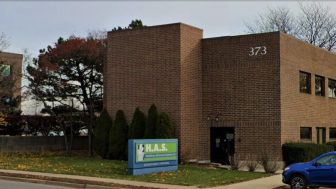
373 S County Farm Rd
Wheaton, IL 60187
