
Northwestern Medicine Ben Gordon Center DeKalb Health Services Drive
12 Health Services Drive
Dekalb, IL 60115
 Sponsored
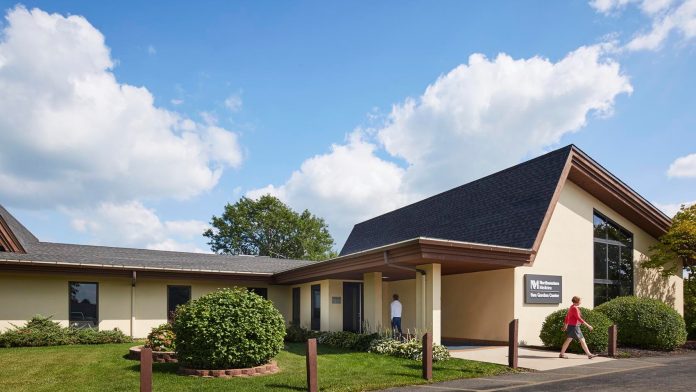
About Northwestern Medicine Ben Gordon Center DeKalb Health Services Drive
An hour east of Chicago is the town of Dekalb, Illinois. It’s home to more than 40,000 residents and is also the location of the Northwestern Medicine Ben Gordon Center. At this facility, you’ll have access to a supportive community and quality care if you need services for a behavioral health struggle.
This facility offers care in an outpatient setting. When you first start working with the team here, there's an initial evaluation where you’ll undergo assessments and an appropriate treatment plan will be created for you.
The Ben Gordon Center operates under Northwestern Medicine. This is an impressive healthcare network that boasts five hospitals ranked among “America’s Best” by U.S. News & World Report from 2024 to 2025. As it’s one of the most highly ranked medical providers in the nation, you can expect to find quality care rooted in evidence-based practices offered here.
Nicknamed “Barb City” because the founder of barbed wire came from here, you can also expect to find a quirky personality in this city. Dekalb is a rather small metropolis surrounded by agriculture, rolling hills, and a variety of natural parks and outdoor activities.
There's also a diverse selection of attractions for you to enjoy while living here. Notable locations include the Harley Davidson Museum, the Ellwood House Museum and Park and their downtown Egyptian Theater where live performances are hosted regularly. All of these and more offer lots of opportunity for sober recreation when you’re not in treatment.
When you're not exploring this quaint town, you’ll find a range of recreation activities like hiking and biking trails throughout the outskirts of town. Nearby Sycamore Park District also hosts regular community events and activities where you can get together with others in the community.
There are also various 12 step style programs like Alcoholics Anonymous that you can get involved with as well. You might be recommended to these programs by the therapist you work with. If you are, you can tap into a community of recovering individuals that you can build meaningful relationships with.
Amenities
Private drug rehab provides a comfortable, secure environment that allows you to focus on doing the work to get your life back on track. Benefits include a higher staff-to-client ratio, increased one-on-one time with therapists and healthcare providers, private rooms for clients, and customized forms of therapy.
Residential drug rehab provides the comforts of home with the therapeutic support needed to successfully recover. Benefits of an inpatient program include increased safety, a higher success rate, and the time and distance given to focus on recovery. Residential drug rehabs are often the preferred method of treatment, as they can be tailored to meet specific needs, offer focused therapeutic care, and provide the necessary tools to sustain recovery.
Art and music are mediums that connect with our feelings, making them a great recovery tool during addiction treatment. Studies show that combining art/music and drug rehab can have a greater therapeutic impact than drug rehab alone, as you’re able to access parts of your brain and body that you may not have access to during traditional talk therapy. Benefits of art/music therapy include lowering stress and anxiety, promoting healthy neurochemicals, and providing stress relief.
Music can be extremely therapeutic, serving as a valuable healing tool and an integrative feature of a holistic treatment plan. A music room offers a large number of outlets, including singing, playing musical instruments, and listening to music.
In order to maintain a sense of autonomy, many private rehab facilities offer clients the ability to choose their own private rooms. The privacy and personal space ensure that the recovery process is as comfortable as possible.
The massage room offers a wealth of benefits as part of an overall evidence-based drug and alcohol recovery program. Massage therapy boosts blood flow and flushes lactic acid from the muscles, and the vascular benefits last several days after the massage.
Addiction Treatment Programs
Some of the most common services offered in a young adult program in Illinois include individual and group counseling, medication management, educational courses, and 12-step programs. These programs are tailored to address the challenges of this stage of life.
Individuals who are struggling with addiction to drugs or alcohol can get support at an adult program in Illinois. Designed for men and women over the age of 18, these programs offer rehabilitation treatment and recovery services.
Each alcohol rehab in Illinois is unique, but most include three basic aspects of treatment: medical detox, psychotherapy, and medication. Through these methods, participants receive treatment for the physical, mental, and emotional aspects of alcohol use disorder.
Men’s rehab in Illinois typically includes individual, group, and family therapies. Group sessions are conducted with men only, which encourages greater vulnerability and sharing opportunities among participants.
Women who have substance use disorders are more likely than men to have co-occurring mental health disorders. Women’s rehab in Illinois often provides treatment for dual diagnosis, so women can get help for their addiction and disorders such as anxiety or depression.
Learn the skills you need to break free from opioid dependence at opioid rehab in Illinois. Program options include detox, inpatient rehab, outpatient rehab, counseling, and medication assisted treatment programs, which are tailored to meet the needs of the individual.
Drug rehab in Illinois is designed to help men and women recover from drug addiction. The length of the program and its intensity vary, based on the individual’s needs. It’s important to find the right program to suit your unique situation and challenges.
Fitness therapy is an evidence-based complementary approach to addiction recovery and mental health care. Based on mounting scientific evidence of the benefits of physical activity in improving mood, enhancing clients’ sense of wellbeing, and decreasing depression and anxiety, fitness therapy encompasses a wide spectrum of intensities, from gentle yoga, qigong, and tai chi to weight training, kickboxing, and other highly physical activities.
Assertive Community Treatment (ACT) is an integrative, community-based care strategy designed to address the needs of persons with severe and/or complex mental illness or behavioral disorders. ACT is typically provided by a multidisciplinary team of medical and mental health care providers, social workers, therapists, and other specialists, including addiction recovery professionals. These services are frequently provided in the home and community to clients in crisis, those who are clinically unstable, and those who are unable or unwilling to travel to a hospital or clinic for in-person treatment.
Sound & Music Therapy are complementary treatment modalities frequently used in addiction recovery to support clients’ physical, mental, and emotional wellbeing through the use of auditory stimuli, from nature sounds and Tibetan singing bowls to drum circles and rhythmic melodies. The treatment is believed to reduce symptoms of anxiety and depression and may offer relief for those experiencing chronic pain, which can decrease clients’ risk of addiction relapse.
In Illinois, cognitive behavioral therapy is an effective method for addiction treatment. It teaches effective communication skills, provides tools to help people improve mood, and empowers participants to dismiss insecurities that can lead to substance abuse.
Levels of Care
Outpatient rehab in Illinois may be brief or long-term, depending on the individual. During this time, you will maintain membership in a support group as well as attend one-on-one counseling sessions. The focus is ongoing development of life skills that will prevent relapse.
An Illinois dual diagnosis program treats both your mental health and recovery needs. Psychiatrists and addiction specialists work together to address co-occurring disorders, such as depression, anxiety, or ADHD.
Inpatient rehab in Illinois features intensive clinical supervision and a highly structured and supportive environment, meaning this level of care is especially well suited for clients just beginning their recovery journey and those at risk of relapse.
The first step toward a drug-free future is typically detox. This initial phase of drug rehab in Illinois can last up to a week. During this time, addictive substances are slowly and safely cleansed from your body.
Sober living in Illinois offers an environment where you can focus on your recovery journey. You’ll live in a drug-free residence, where you’ll contribute to household bills and chores, attend 12-step meetings, and submit to random drug testing. This structured environment can be helpful to maintain sobriety during the first few months of recovery.
In many cases, drug rehab in Illinois begins with intervention. Professional intervention services are available to help you facilitate an intervention, develop a treatment plan, and choose the program that best suits your loved one’s needs.
Accreditations
Contact Information


 Sponsored
Nearby Treatment Centers

41W400 Silver Glen Rd
Saint Charles, IL 60175
631 S 1st St
Dekalb, IL 60115
631 S 1st St
Dekalb, IL 60115
1321 North 7th Street
Rochelle, IL 61068
