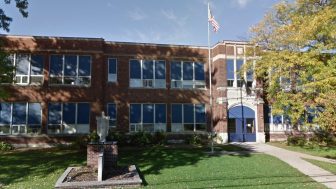
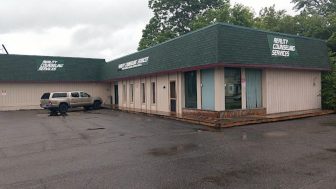
NorthWest Initiative
510 West Ottawa Street
2nd Floor
Lansing, MI 48933
 Sponsored
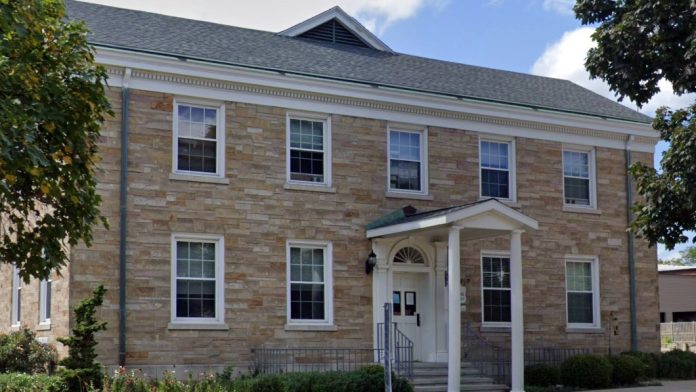
About NorthWest Initiative
The NorthWest Initiative Neighborhood Center in Lansing, Michigan, is a nonprofit organization dedicated to helping people in need. They offer an array of services including comprehensive gender specific, outpatient alcohol and drug rehab and dual diagnosis care, as well as housing, food, and education assistance.
Additionally, their Advocacy, Reentry, Resources, and Outreach (A.R.R.O.) program supports people who’ve been involved with the justice system.
Nonjudgmental Reintegration Assistance
One of this addiction treatment provider’s distinct features is the A.R.R.O. program, which helps people who’ve reentered the community within the past two months after spending at least six months in prison.
This is such a crucial turning point and vulnerable period for many people, particularly those struggling with substance use disorder or a cooccurring mental illness, so I love that you can get addiction treatment and reintegration support from the same organization.
Among other things, this program can help you get a bus pass, valid ID, clothes, food, and healthcare insurance. It also offers educational and vocational support and case management.
A Community Minded Approach
I also love the community minded spirit of the NorthWest Initiative. They understand how assisting individuals benefits everyone, and strive to instill a sense of belonging and purpose in their clients.
In addition to services like community reintegration, addiction treatment, case management, and mental health care, they have various outreach and sustainability programs like a community garden, mobile farmers market, resource referrals, and AARP tax services for older adults.
To me, this shows how they’re genuinely invested in Lansing and their neighbors including those grappling with some of life’s most daunting challenges.
Amenities
Addiction treatment programs provide an opportunity to get your life back on track with access to school classes or college courses. Whether you want to finish your GED or go back to school to learn a new trade, facilities often enlist tutors and teachers who are certified or licensed by the state to oversee self-study or distance-learning education.
Private drug rehab provides a comfortable, secure environment that allows you to focus on doing the work to get your life back on track. Benefits include a higher staff-to-client ratio, increased one-on-one time with therapists and healthcare providers, private rooms for clients, and customized forms of therapy.
Residential drug rehab provides the comforts of home with the therapeutic support needed to successfully recover. Benefits of an inpatient program include increased safety, a higher success rate, and the time and distance given to focus on recovery. Residential drug rehabs are often the preferred method of treatment, as they can be tailored to meet specific needs, offer focused therapeutic care, and provide the necessary tools to sustain recovery.
Addiction Treatment Programs
No single adult program in Michigan is right for everyone. That’s why each program is tailored to meet the needs of the individual. Common aspects to an adult rehab program include individual counseling, group therapy, and aftercare support.
The backbone of most alcohol rehab in Michigan is a combination of individual and group therapy methods. Through these sessions, individuals learn how to address issues contributing to addiction and develop healthy lifestyle habits.
During cognitive behavioral therapy in Michigan, participants do more than talk with their therapists. This is an engaging, hands-on approach that requires active participation. Individuals work with their therapist to change their thought and behavior patterns to overcome addiction.
During men’s rehab in Michigan, individuals spend a significant amount of time in therapy. This gender-specific treatment gives men the tools they need to cope with stress and live without drugs and alcohol.
Each opioid rehab in Michigan is unique, but most consist of several key steps: admission, detox, addiction therapy, specialized care, and aftercare. Professional staff evaluate each person’s needs to recommend treatment duration and specific therapies.
Women’s rehab in Michigan offers a full continuum of care for women seeking treatment for addiction. Programs range from intensive inpatient care to aftercare services.
Levels of Care
Outpatient rehab in Michigan is tailored to each person’s recovery journey. This treatment usually involves several hours of therapy sessions each week, along with attendance at support group meetings. However, the timeline varies from a few weeks, to months, to years, based on your needs.
Aftercare rehab in Michigan helps you overcome hurdles after completing an addiction treatment program. You can receive assistance with finding a job, navigating legal issues, getting education, or plugging into a support group. These aftercare services unlock resources to help you continue to live a sober life.
A dual diagnosis treatment center in Michigan allows you to get treatment for substance abuse and mental health disorders at the same time. This is critical, because untreated mental health disorders often lead to relapse and poor recovery outcomes.
Contact Information


 Sponsored