
North Shore Counseling Center
100 Cummings Center
Suite 307-E
Beverly, MA 01915
 Sponsored
About North Shore Counseling Center
North Shore Counseling Center (NSCC) provides substance abuse and mental health treatment in Beverly, Massachusetts. They offer outpatient services with customized treatment based on your needs. Guests have a safe, supportive space that encourages open conversations and a compassionate atmosphere.
Their medication clinic is available to guests using their outpatient program. Medication management may help lessen cravings and relieve feelings of anxiety and depression. Your therapist will discuss medication options if deemed appropriate for your needs.
Their substance abuse counseling helps with co-occurring issues that often accompany addiction like anxiety, depression, parenting issues, relationship problems and trauma. Guests may uncover the root causes of their addiction issues in counseling.
You may also work on developing healthy coping skills and reactions, recognizing substance abuse triggers and learning relapse prevention techniques to help you avoid unhealthy temptations.
They offer individual, couple and family therapy options. Individual therapy sessions allow one-on-one time with a professional who understands addiction. You can discuss any issues that may hinder recovery.
Family and couple therapy can help loved ones understand more about the disease of addiction and how it affects relationships. They may learn to set appropriate boundaries and to have healthy communication skills conducive to a sober lifestyle.
They have an intake coordinator who will contact you to discuss treatment options and connect you to the right staff member after a brief intake form is completed. North Shore Counseling Center accepts many private health insurance plans including Aetna, Blue Cross Blue Shield and Cigna. They also accept Medicare B. Clinicians often accept different insurance plans so you’ll want to keep that in mind when choosing a therapist.
Amenities
Private drug rehab provides a comfortable, secure environment that allows you to focus on doing the work to get your life back on track. Benefits include a higher staff-to-client ratio, increased one-on-one time with therapists and healthcare providers, private rooms for clients, and customized forms of therapy.
Residential drug rehab provides the comforts of home with the therapeutic support needed to successfully recover. Benefits of an inpatient program include increased safety, a higher success rate, and the time and distance given to focus on recovery. Residential drug rehabs are often the preferred method of treatment, as they can be tailored to meet specific needs, offer focused therapeutic care, and provide the necessary tools to sustain recovery.
In order to maintain a sense of autonomy, many private rehab facilities offer clients the ability to choose their own private rooms. The privacy and personal space ensure that the recovery process is as comfortable as possible.
Drug and alcohol rehabs with a river view can help to decrease anxiety, relieve depression, and improve concentration. Being in nature can even provide health benefits for some people, including lowering blood pressure.
Addiction Treatment Programs
Teen and young adult substance abuse can set individuals on a life-long path of destruction. A young adult program in Massachusetts can intervene in young adults’ lives to set them on a better path during this crucial stage of life.
Each adult program in Massachusetts is designed to help individuals over the age of 18 recover from addiction to drugs or alcohol. The length of the program and its intensity varies, based on the needs of the individual.
Most alcohol rehab in Massachusetts consists of individual counseling and group therapy sessions, which address mental and emotional concerns that are contributing to alcohol use. Treatment helps participants make changes to maintain sobriety and prevent relapse.
For men who want to stop drinking or using drugs, men’s rehab in Massachusetts offers help and hope. These treatment programs, designed specifically for men, help participants recover and rebuild their lives.
Women who are seeking treatment for substance use disorders can receive various levels of care at women’s rehab in Massachusetts. Programs include detox, partial hospitalization programs (PHP), intensive outpatient programs (IOP), telehealth programs, sober living, outpatient, and aftercare.
When you enter opioid rehab in Massachusetts, you’ll receive treatment in a supportive environment that encourages recovery. After successful withdrawal management, you’ll participate in a variety of evidence-based therapies that prepare you for long-term sobriety.
Cognitive behavioral therapy in Massachusetts is a hands-on method that engages participants in changing their thought and behavior patterns. Rather than a talk-listen approach, individuals are actively involved in working with their therapist to treat their addiction.
Addiction is a highly complex problem, and drug rehab in Massachusetts is often necessary to address it. These programs treat physical, mental, and relational issues that are involved. Treatment empowers individuals to manage these issues without the use of drugs.
Addiction therapists apply rational emotive behavioral therapy in Massachusetts to focus on the interconnectedness of behaviors, thoughts, and feelings. The aim of therapy is for these three things to work together to improve your quality of life rather than lead to dysfunction.
Assertive Community Treatment (ACT) is an integrative, community-based care strategy designed to address the needs of persons with severe and/or complex mental illness or behavioral disorders. ACT is typically provided by a multidisciplinary team of medical and mental health care providers, social workers, therapists, and other specialists, including addiction recovery professionals. These services are frequently provided in the home and community to clients in crisis, those who are clinically unstable, and those who are unable or unwilling to travel to a hospital or clinic for in-person treatment.
Levels of Care
Massachusetts outpatient rehab does not have a defined timeline. The program is tailored to meet your recovery needs, and may last 90 days or a year or more. During this time, you will attend therapy sessions and support group meetings, for ongoing accountability and development of sober-living skills.
If you meet the diagnostic criteria for two or more conditions, you have a dual diagnosis. Massachusetts dual diagnosis treatment is designed to address both conditions simultaneously, for improved recovery outcomes.
Aftercare rehab in Massachusetts gives you continued access to support after rehab. You may need assistance with job coaching, budgeting, education, or accountability as you re-enter your life. Aftercare programs provide these supports, so you can face challenges and maintain a sober lifestyle long-term.
As the most intensive treatment setting, inpatient drug rehab in Massachusetts treatment involves 24/7 supervised care. At this level of care, you typically participate in individual, group, and family therapy sessions, and you may receive medication and additional recreational therapies.
In Massachusetts sober living, you will take on more responsibility than rehab treatment requires. You’ll pay rent and work or attend school. You’ll also contribute to household chores. The goal is to learn how to live independently, free from drugs and alcohol.
You don’t have to be an expert on interventions to help an addicted loved one. Staff members offer intervention services in Massachusetts, providing support when planning and facilitating an intervention, connecting you with community resources, and helping with the development of your loved one's treatment plan.
Accreditations
Accepted Insurance












Contact Information


 Sponsored
Nearby Treatment Centers

950 Cummings Center
Suite 106-X
Beverly, MA 01915

85 Constitution Ln
#200A
Danvers, MA 01923

21 Market St
Ste 220
Ipswich, MA 01938
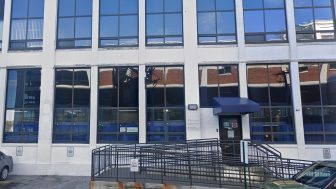
35 Congress St
Building 2, Suite 2150B
Salem, MA 01970
