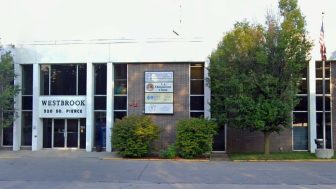
North Iowa Transition Center
 Sponsored
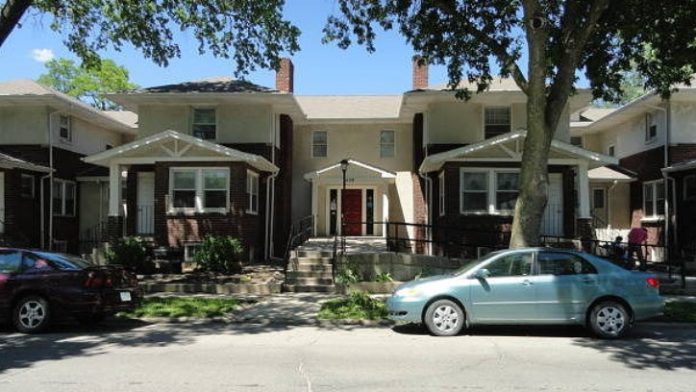
About North Iowa Transition Center
North Iowa Transition Center is a Mason City, Iowa nonprofit providing community based residential and supportive services for adults living with serious mental illness.
The center offers a home like residential program with options for dual diagnosis support, psychosocial rehab and supported community living for men and women, including young adults and seniors.
I appreciate how their mission centers on helping individuals transition from inpatient care toward stable, independent lives in the North Iowa community.
Step Down Support
North Iowa Transition Center specializes in residential care for adults stepping down from inpatient psychiatric treatment.
The program serves up to 15 adults in a home like setting with furnished private rooms and 24/7 staffing, just minutes from downtown Mason City.
I want to point out that care focuses on symptom management, illness management and recovery, and rebuilding daily living skills.
Residents may engage in cognitive behavioral therapy and group therapy, behavior modification and psychotropic medication management with treatment plans designed to support long term stability and community reintegration.
Supported Community Living
Beyond residential care, the center offers supported community living, home visit services and short term respite stays.
These options help individuals and families bridge gaps in care, practice independent living skills and maintain wellness in less restrictive settings as they continue their recovery journey.
Getting Started
North Iowa Transition Center provides in person residential and community-based services from its location at 408 1st Street Northwest in Mason City, Iowa.
Operating as a nonprofit since 1979, the organization has long served North Iowa adults with serious mental illness.
The center accepts Medicaid, private insurance and self pay with additional support available through County Social Services, the Iowa Plan for Behavioral Health and financial aid options.
Amenities
Private drug rehab provides a comfortable, secure environment that allows you to focus on doing the work to get your life back on track. Benefits include a higher staff-to-client ratio, increased one-on-one time with therapists and healthcare providers, private rooms for clients, and customized forms of therapy.
Residential drug rehab provides the comforts of home with the therapeutic support needed to successfully recover. Benefits of an inpatient program include increased safety, a higher success rate, and the time and distance given to focus on recovery. Residential drug rehabs are often the preferred method of treatment, as they can be tailored to meet specific needs, offer focused therapeutic care, and provide the necessary tools to sustain recovery.
Addiction Treatment Programs
Treatment at an adult program in Iowa is targeted for men and women over the age of 18. These recovery services focus on establishing healthy coping skills that allow individuals to stop abusing substances.
Recovery is possible for older adults, through elderly rehab in Iowa. Numerous facilities offer this specialized treatment that addresses addiction along with the unique concerns of the elderly.
Women and men react differently biologically, emotionally, and socially to substance abuse and addiction. That’s why women’s rehab in Iowa provides treatment targeted to meet women’s needs.
A young adult program in Iowa specializes in addiction treatment for young people from their teen years through their late 20s. Some include adults up through age 32. Treatment focuses on recovery challenges that are specific to this stage of life.
Levels of Care
Also known as residential treatment, inpatient rehab in Iowa typically involves group and individual therapy, family therapy, medication management, and other therapy methods. Participants receive these treatments while living at the facility under 24/7 care.
Iowa dual diagnosis treatment centers focus on treating both mental health and substance abuse disorders. Since these two conditions interact heavily, this dual program is crucial to meet the needs of those who have co-occurring disorders.
Iowa sober living is less intensive than rehab treatment programs. It provides structure and support as you live independently and practice maintaining a sober lifestyle. You’ll reside with others in recovery, attend 12-step meetings, and contribute to household responsibilities. This arrangement can continue until you’re ready to live on your own.
Contact Information


 Sponsored
Natalie is a recent graduate of Purdue University, where she studied psychology and creative writing. Every morning, she’s fueled by a cup of tea and her passion for making sure mental health resources are accessible to everyone. In her spare time, she loves writing poetry by her window, where she can watch the sunrise.
Rehabs.org regularly reviews this listing for accuracy but changes may occur between updates. For the most up-to-date information, please contact North Iowa Transition Center.