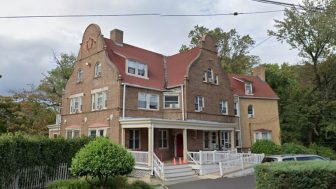
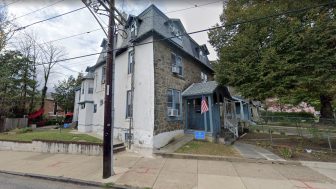
Merakey
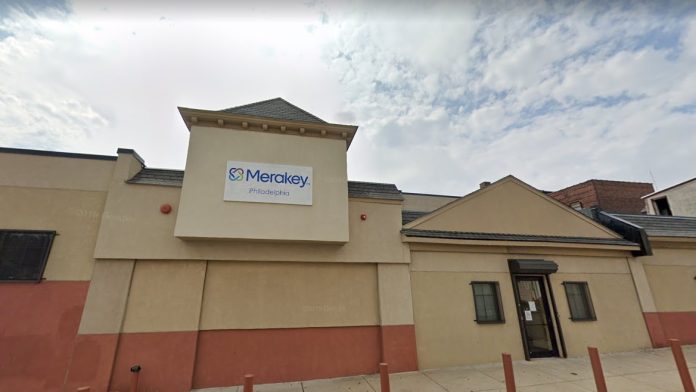
20-46 East Armat Street
Philadelphia, PA 19144
 Sponsored
About Merakey
Merakey East Armat Street is a satellite location providing adult behavioral health care in Philadelphia, Pennsylvania. It is part of the greater Merakey network which offers mental health, physical healthcare and addiction services in California, Louisiana, Ohio, Pennsylvania and Virginia. While substance use disorder (SUD) is one of the core services provided at Merakey, this network also provides care for autism, intellectual and developmental disabilities, veterans, children and families, foster care, pharmacy and aging services.
Extensive Outpatient Care/h3>
Addiction services at Merakey tackle alcohol, opioid, drug and behavioral addictions as well as any underlying mental health challenges that might contribute to them. I found that there are several outpatient programs designed to offer more or less structure depending on your needs. While the intensive outpatient program (IOP) requires more in person time at the facilities, the standard outpatient program allows for more flexibility.
Medication Assisted Treatment/h3>
If your addiction is severe, you’ll want help to achieve sobriety safely. The medication assisted treatment (MAT) program at Merakey provides closely monitored medications such as methadone, suboxone, or Vivitrol to help you manage withdrawal symptoms while lowering the risk of relapse.
Family Rehousing Program/h3>
Although not offered directly through the Armat Street location, Merakey does provide a Philadelphia Community Treatment Team Family Rehousing Program that works to help adults that are struggling with homelessness as a result of addiction. The program helps participants reintegrate back into their prior lives. I like that this includes reconnecting them with loved ones and involves family therapy sessions, MAT care as needed, home visits and education or employment support to boost self sufficiency.
Amenities
Private drug rehab provides a comfortable, secure environment that allows you to focus on doing the work to get your life back on track. Benefits include a higher staff-to-client ratio, increased one-on-one time with therapists and healthcare providers, private rooms for clients, and customized forms of therapy.
Yoga and meditation are great activities to support your recovery process during alcohol or drug rehab. These therapies have been around for centuries, and they are an effective way to improve well-being. Combining addiction treatment, yoga, and meditation can reduce cravings, improve sleep, relieve anxiety and depression, provide stress relief, promote relaxation, support emotional healing, and improve energy levels.
In order to maintain a sense of autonomy, many private rehab facilities offer clients the ability to choose their own private rooms. The privacy and personal space ensure that the recovery process is as comfortable as possible.
Addiction Treatment Programs
The Keystone State offers many resources for those struggling with substance use disorders. Each adult program in Pennsylvania provides individualized care, to meet people where they are and help them take the next step on their recovery journey.
Assertive Community Treatment (ACT) is an integrative, community-based care strategy designed to address the needs of persons with severe and/or complex mental illness or behavioral disorders. ACT is typically provided by a multidisciplinary team of medical and mental health care providers, social workers, therapists, and other specialists, including addiction recovery professionals. These services are frequently provided in the home and community to clients in crisis, those who are clinically unstable, and those who are unable or unwilling to travel to a hospital or clinic for in-person treatment.
Cognitive behavioral therapy in Pennsylvania helps participants identify inaccurate thinking and learned patterns of negative behavior and how to change them. It gives participants the skills to relieve their symptoms without turning to substances.
Fitness therapy is an evidence-based complementary approach to addiction recovery and mental health care. Based on mounting scientific evidence of the benefits of physical activity in improving mood, enhancing clients’ sense of wellbeing, and decreasing depression and anxiety, fitness therapy encompasses a wide spectrum of intensities, from gentle yoga, qigong, and tai chi to weight training, kickboxing, and other highly physical activities.
Men’s rehab in Pennsylvania can help men receive support from other men who understand their challenges. This provides a sense of camaraderie that relieves feelings of isolation.
Elderly rehab in Pennsylvania works with older adults who are facing addiction. Common services include management of chronic health conditions, case management, and education about prescription medications.
Women’s rehab in Pennsylvania helps females struggling with substance use disorders build the skills necessary to maintain sobriety. Treatment is designed to help women stay on track for long-term recovery.
A young adult program in Pennsylvania provides a comfortable, age-appropriate environment for treatment. These programs offer life skills education, individualized treatment, family therapy, and aftercare.
Levels of Care
While undergoing outpatient treatment in Pennsylvania, you’ll work through challenges such as cravings, social skills, and relapse prevention as you meet with a recovery expert and attend 12-step meetings. This treatment may last a few weeks or several months, depending on your recovery needs.
Mental illness and substance abuse are so integrated that they must be treated together. Ignoring one and treating the other doesn’t work. Dual diagnosis treatment in Pennsylvania effectively addresses both mental health and substance abuse disorders, for the best outcomes.
Following rehab, you can receive much-needed ongoing support through aftercare rehab in Pennsylvania. Services may include financial planning, career guidance, legal advice, and other practical supports, as well as counseling and 12-step groups. Taking advantage of these resources greatly reduces the chance of relapse.
Accreditations
Contact Information


 Sponsored