Sponsored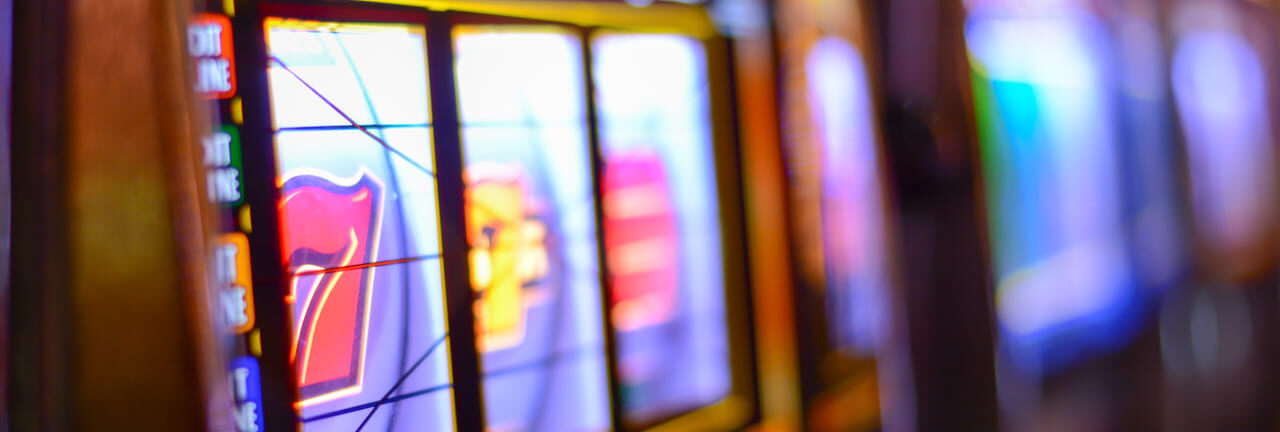
It’s long been known that military service members are at a higher risk of developing addiction but it seems that a new issue is on the rise for uniformed men and women: gambling. According to a recent report gambling disorders are surging on U.S. military bases overseas.
Dangers of Slot Machines on Military Bases
Experts warn that U.S. troops overseas are spending more money on base slot machines. Congress has long since banned slot machines on military bases at home but no such legislation prohibits them from operating in overseas bases.
These locations are operated by the Army Recreation Machine Program which uses the revenue to expand on amenities for troops.
While the intentions behind the installation of these gaming machines on base may have been good there are also significant and growing concerns.
Shane W. Kraus is an associate professor at the University of Nevada and has studied the issue of problem gambling on military bases.
Professor Kraus asserts that service members are at a higher risk of developing a gambling disorder than their civilian counterparts.
They’re also less likely to ask for help in dealing with addiction.
Far-Reaching Repercussions
The consequences of problem gambling among service members aren’t just financial. Problem gambling can quickly spiral into other behavioral disorders such as alcohol addiction.
Service members experiencing gambling disorder may also face disciplinary action from superiors or complete discharge.
In response to the growing crisis the ARMP has ramped up efforts to promote responsible gambling. This includes partnerships with the National Council on Problem Gambling and linkage to gambling addiction hotlines.
But opponents argue that more action is needed to include increased access to gambling education and addiction services.
The Need for Expanding Care
Despite increasing awareness of the issue service members still report significant challenges in accessing appropriate care. Dave Yeargar, who developed a gambling disorder while serving overseas, eventually found help through a VA clinic.
But the VA’s services are not consistent across locations and this means some service areas are lacking. Gambling addiction care is a specialized area where the VA may need greater expansion.
Only two locations provide residential gambling addiction treatment. Significantly more facilities offer it on an outpatient basis.
Accessibility is a common hurdle to those seeking addiction treatment. Those seeking help while serving in the military may feel they can’t balance their responsibilities with the treatment process. Those back home need to travel great distances to find a program that meets their needs.
Increasing access to quality addiction care is necessary to fighting this growing problem. The future will show us how ARMP and the military at large face these challenges.
If you or someone you love is experiencing gambling addiction, use Rehabs.org to find a specialized gambling recovery program in your area.
If you need urgent support, call
800-914-7089
( Sponsored)
today.
Sponsored)
today.
More Stories Like This