Sponsored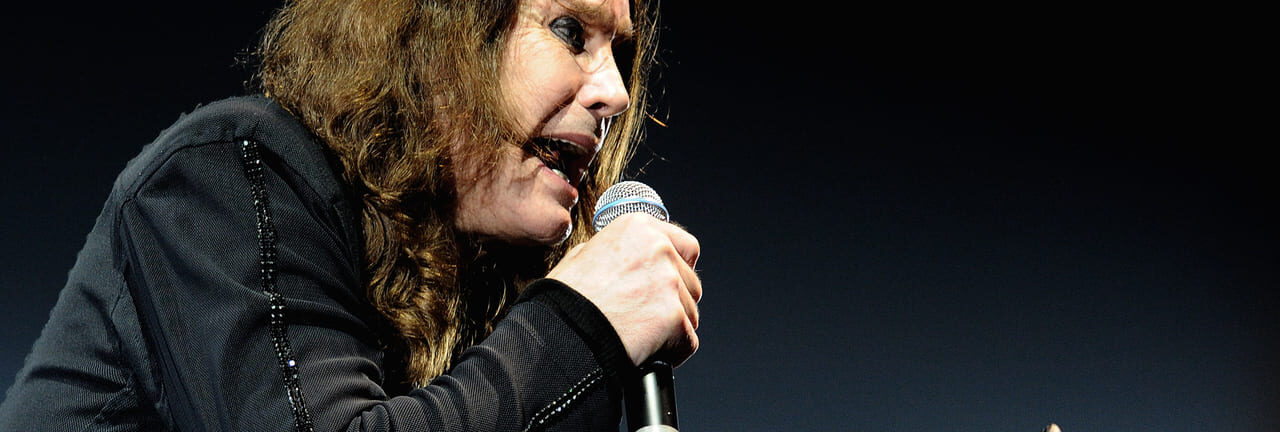

Ozzy Osbourne did not have an easy journey to sobriety. The rocker had quite a history of alcohol and substance abuse. It’s a history of addiction so severe that the late rocker himself once remarked that he “should have died 100 times.”
But at the end of Osbourne’s celebrated life friends and fans alike remember his story not as one of addiction and helplessness but of triumph and recovery.
Remembering an Icon
Osbourne, the rock legend, was laid to rest on July 31st. His funeral took place in Birmingham, England, his hometown. As fans gathered, the late singer’s past comments about death have resurfaced.
Ozzy’s son, Jack, produced the documentary God Bless Ozzy Osbourne, in which the notorious “Prince of Darkness” reflected on his career from his Birmingham beginnings to his successful post-Black Sabbath solo career.
In the documentary, Osbourne reminisced on his chaotic past, “I should have died 100 times and never did. If you want me to do something, tell me not to. I can’t remember the 80s at all. Never happened.”
The iconic Osbourne was infamous for his wicked live shows, offstage antics and electrifying stage presence.
Some of his most notorious moments and unpredictable behaviors, even in front of his adoring fans, were due to his alcohol and substance use, including a severe cocaine addiction.
A Long Journey To Sobriety
Across his decades-long career, Osbourne gained infamy as well as acclaim. In 1979 Osbourne was kicked out of the band he founded, Black Sabbath, reportedly due to his out of control drug and alcohol use.
In an interview conducted before his shocking death, Osbourne recalled consuming more than 28 gallons of alcohol to make it through the Christmas season.
But despite the severity of Osbourne’s long battle with addiction, drugs and alcohol were not the end of his story. After multiple attempts at treatment and recovery, Osbourne was finally able to achieve sobriety in the final decade of his life.
In his final years, he celebrated the release of his 2020 album, Ordinary Man, which Osbourne describes as the first album he ever co-wrote and recorded completely sober. It put to rest the nagging doubt in Osbourne’s mind that his musical talent might not have been his own but the product of the cocaine, marijuana and alcohol that had consumed his life for so long.
A Sad Goodbye
The rocker faced some unfortunate events, including an ATV crash in 2003 that nearly took his life and a domestic accident in 2019 that aggravated injuries from the prior crash. He had to cancel his No More Tours 2 UK and European performances.
Then Osbourne revealed in 2020 that he had been diagnosed with Parkinson’s disease. After undergoing major spinal surgery, he had to cancel his 2023 touring plans.
There had already been multiple delays to the concert series from the Covid-19 outbreak, medical concerns, and organizational hurdles. In January 2020, Osbourne revealed in a Good Morning America interview that physicians had identified the brain disorder after a fall.
During the interview, he said, “I did my last show on New Year’s Eve at The Forum. Then I had a bad fall. I had to have surgery on my neck, which screwed all my nerves and I found out that I have a mild form.”
Parkinson’s can be difficult to discuss, and advocacy groups praised Osbourne for addressing his diagnosis so openly and helping others in “feeling less alone,” while facing obstacles presented by the condition. Cure Parkinson’s thanked Osbourne for “putting a spotlight” on the cause, while Parkinson’s UK applauded the rock icon for “normalizing tough conversations.”
Osbourne’s willingness to speak about both physical and mental health challenges helped bring attention to what many in the recovery community recognize as dual diagnosis. This is when substance use disorder coexists with other medical or mental health conditions.
Proceeds from the Black Sabbath reunion performance supported multiple Parkinson’s organizations, including Acorns Children’s Hospice, Birmingham Children’s Hospital, and Cure Parkinson’s.
CEO of Parkinson’s UK, Caroline Rassell, observed that “News of Ozzy Osbourne’s death, so soon after his celebratory homecoming show, will come as a shock to many. By speaking openly about both his diagnosis and life with Parkinson’s, Ozzy and his family helped so many families in the same situation.
They normalized tough conversations and made others feel less alone with a condition that’s on the rise and affecting more people every day. All of our heartfelt thoughts are with his family, friends, and fans worldwide.”
Ozzy’s death was announced last week in a statement by his family.
The statement read, “It is with more sadness than mere words can convey that we have to report that our beloved Ozzy Osbourne has passed away this morning. He was with his family and surrounded by love. We ask everyone to respect our family privacy at this time.”
Ozzy Osbourne’s iconic life and unlikely rise to rock legend status didn’t come without its share of troubles. Drugs and alcohol threatened not only to rob a family of the husband and father they loved but also to rob the world of music that would endure forever.
But addiction didn’t prevail in Osbourne’s life. It didn’t write the end of his story. And it doesn’t have to write the end of yours.
If you are struggling with drug or alcohol addiction, help is available and recovery is real.
Rehabs.org lists free and affordable treatment centers nationwide. Find help near you or call
800-914-7089
( Sponsored)
today to begin your own second act.
Sponsored)
today to begin your own second act.
More Stories Like This