Sponsored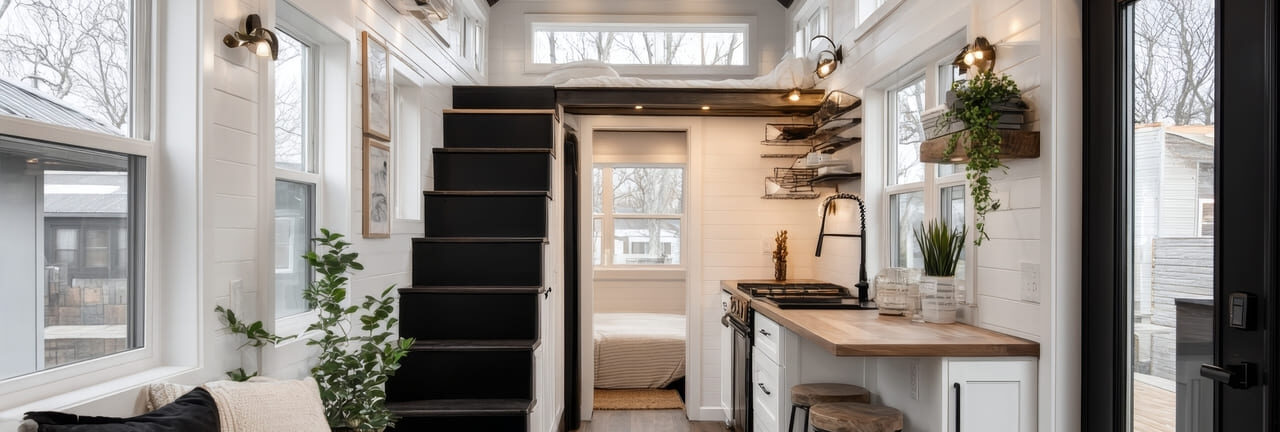


A pilot program aimed at low-cost housing people after addiction treatment received a unanimous go-ahead from commissioners in Palm Beach County, Florida.
The vote allocates opioid settlement funds toward building tiny homes for people experiencing homelessness after completing inpatient drug and alcohol.
The Need for Affordable Post-Rehab Housing
Anyone who experiences simultaneous homelessness and substance use disorder knows how the two challenges feed into each other and complicate efforts to change your circumstances.
A common problem is “treat and street.” This is when a person finishes an addiction treatment program and is immediately faced with homelessness again, putting them at high risk for relapse.
With over 1,500 people in Palm Beach County experiencing homelessness, many with substance use disorders, civic leaders recognized a clear need for affordable, post-rehab transitional housing.
The pilot program will focus on those with co-occurring mental health concerns who frequent the justice system, emergency rooms and crisis service providers.
Funding Low-Cost Rehab Housing in Palm Beach County
The commissioners greenlighted $500,000 towards the building of five to six tiny homes. A TBD nonprofit agency will maintain, operate and staff the homes. Details about payment options, whether insurance or use of Medicare or Medicaid, remain in development.
Construction crews will erect the homes on land already owned by a nonprofit treatment organization. After completing treatment, people can transition into a tiny home and have easy-to-access support whenever it’s needed.
Tiny Homes as a Relapse Prevention Strategy
The commissioners deliberately kept the project small so they can monitor and optimize the results before expanding the number of tiny homes. County leaders want to ensure that the project maximizes their allocated funds.
The tiny homes offer an extra layer of support post-treatment, but they won’t ensure recovery on their own. The nonprofit that picks up this pilot program must ensure strong accountability initiatives and continued connection to support systems, including any dual diagnosis care for co-occurring mental disorders.
Discover Low-Cost Treatment Centers
You can find free or low-cost support systems nearby for yourself or a loved one today. Call
800-914-7089
( Sponsored)
or search through rehabs.org’s directory of treatment centers for local programs.
Sponsored)
or search through rehabs.org’s directory of treatment centers for local programs.
More Stories Like This