Sponsored
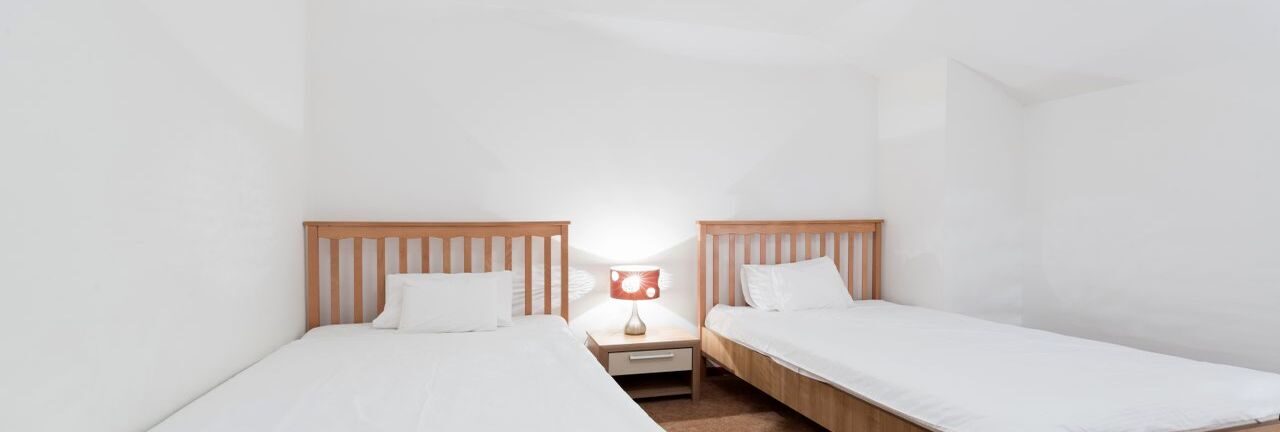


Avivo Village Central Minnesota opened earlier this month with 48 private dwelling units. This is a low-barrier shelter in St. Cloud that doesn’t require individuals to be sober before they can become residents.
Every resident has a case manager who can help arrange counseling, mental health and addiction treatment, education, job training and permanent housing support.
Privacy and Safety in 48 Private Units
Avivo designed the building for people who may avoid traditional shelters because they feel crowded or unsafe. Each resident has a single-occupancy unit that includes a locking door.
The 48 units are arranged in eight housing clusters of six. The building includes sound-deadening features, natural light and muted colors. These elements work together to create a calm and soothing environment for the residents.
Guests have access to showers, laundry, conference rooms and common areas for healthcare visits, group therapy and other activities.
Couples stay in separate units but they can spend time together. Pets are welcome at the facility and the property includes a dog-washing station.
Those policies remove reasons some people give for remaining outside rather than entering a shelter.
“We want to create a space that is able to not overwhelm people,” said John Tribbett, service area director for Avivo. He said privacy, security, and solitude are basic human needs that everyone should have access to.
How Shelter Supports People Seeking Rehabs
Avivo’s model gives residents a stable place to sleep while they consider treatment or other services.
Staff conduct regular safety checks and help connect people to treatment when they want it. Residents may be actively using substances, but sobriety is not a condition of entry.
Tribbett said people living outside can remain focused on daily survival. The shelter is intended to provide the safety needed for residents to think beyond the immediate day and plan their next steps.
There’s not a fixed limit on how long someone can stay. The only criteria is that the resident should be moving in a positive direction.
Case managers tailor referrals to individual needs that may include rehabs, counseling, healthcare, education, employment support or permanent housing.
One Resident’s Path to Recovery
James Aloysuis Flores II-Demo returned to Avivo’s Minneapolis location in 2021 after a stint in jail and a stay at a treatment facility. He stayed for two and a half years. He’d previously lived in a tent and said traditional shelters felt too open and crowded.
He had a secure room at Avivo and support from staff and other residents. He got a job, saved money, and bought a car.
He has now been in recovery for five years, lives in his own apartment and works as a peer support specialist for the Hennepin County Health Care for the Homeless program.
Local Need and Access
Stearns County officials said there’s a lack of shelter supply as homelessness increases. Julie Ellis, director of adult and disability services for the county, expects shelters to fill further as the weather gets colder in Minnesota.
Jennifer Salsness-Tvedten, who supervises the county’s homeless outreach workers, said substance use and mental health issues can contribute to homelessness. She also said it can keep some people away from traditional shelters.
Salsness-Tvedten said Avivo’s private units could provide a safe setting where residents can begin thinking about recovery.
People interested in the St. Cloud shelter can contact Avivo or local homeless outreach workers to ask about availability, entry steps, and any costs. The MPR report does not specify pricing, so residents should confirm those details directly.
Finding Affordable Treatment
If you need treatment, compare programs that accept Medicaid or provide other payment help. Ask about transportation, recovery housing and mental health services when those needs affect your ability to attend.
You can also call SAMHSA’s National Helpline at 1-800-662-4357 for free, confidential treatment referrals. Rehabs.org lists free and low-cost treatment options nationwide. Call
800-914-7089
( Sponsored)
to find affordable care.
More Articles Like This