Sponsored

Uninsured parents struggling with opioid addiction may now be able to access life-saving medications at little or no cost. A new federal policy directs child welfare funding toward addiction treatment.
The Department of Health and Human Services announced this week that state and county child welfare agencies can now seek federal reimbursement for FDA-approved opioid use disorder medications.
This includes buprenorphine, methadone and naltrexone for parents who lack insurance coverage. The goal is to keep families together by making treatment affordable before children ever enter the foster care system.
Who Qualifies for Free or Low-Cost Treatment Under This Policy?
This funding is specifically aimed at uninsured parents who are involved with the child welfare system due to opioid addiction.
If you or someone you know has been investigated by child protective services or is at risk of having children removed due to substance use, your state’s child welfare agency may now be able to cover half the cost of these medications using federal Title IV-E funds.
Medicaid has long covered these same treatments for eligible enrollees. But this new policy fills a critical gap for the many parents who fall outside Medicaid eligibility.
Alex Adams, assistant secretary for the Administration for Children and Families, called it “expanded access to lifesaving care, delivered earlier, and in more places.”
What Medications Are Now Covered?
The three medications now approved for federal reimbursement through child welfare agencies are the same ones considered the gold standard of opioid addiction treatment:
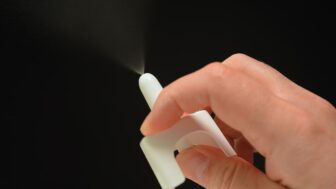
Buprenorphine (often sold as Suboxone) can be prescribed by a doctor and picked up at a pharmacy with no clinic visit required. This makes it especially useful for parents in rural areas or those juggling court dates and social worker appointments.
Methadone was previously eligible for some reimbursement but faced restrictions that have now been lifted.
Naltrexone (sold as Vivitrol) blocks opioid effects and can also be prescribed and filled like a standard medication.
Ahmed Eid of the Hazelden Betty Ford treatment center noted that buprenorphine in particular “opens many, many doors” for people who can’t easily travel to a methadone clinic every day.
How to Access Free or Low-Cost Opioid Treatment
Even if you’re not currently involved with the child welfare system, there are steps you can take right now to find free or low-cost opioid treatment near you.
Check your Medicaid eligibility. If your income is limited, you may qualify for Medicaid, which has covered these medications for years. Eligibility rules vary by state, so check your state’s Medicaid office or visit HealthCare.gov.
Contact your state’s child welfare agency. If you are a parent with an open child welfare case, ask your caseworker whether your state is participating in the new Title IV-E medication funding. States are not required to offer it, but many may opt in.
Call SAMHSA’s free national helpline. SAMHSA offers free, confidential help 24 hours a day, 7 days a week: 1-800-662-4357. Staff can connect you with local treatment programs, including free and sliding-scale options.
Ask about sliding scale fees and scholarships. Many nonprofit and faith-based rehab centers offer treatment on a sliding scale based on income, or have scholarship funds for people who qualify.
A Note on Medicaid Cuts
While this policy expansion is a positive step, experts warn that proposed federal Medicaid cuts could undercut the gains.
The Congressional Budget Office estimates that the “Big, Beautiful Bill” currently moving through Congress could result in 10 million Americans losing health insurance.
For the many parents who currently rely on Medicaid to cover these same medications, that would mean a significant loss of access.
Retired Ohio juvenile court judge Anthony Capizzi, whose court served one of the counties hardest hit by the opioid crisis, put it plainly: “If the current federal government’s position to restructure Medicaid takes other people off the rolls, that’s a terrible negative for us.”
Free Resources Box
- SAMHSA National Helpline: 1-800-662-4357 (free, confidential, 24/7)
- Medicaid Eligibility Checker: HealthCare.gov
- Crisis Text Line: Text HOME to 741741
Rehabs.org lists free and low-cost treatment options nationwide. Call
800-914-7089
( Sponsored)
to find affordable care near you.
Sponsored)
to find affordable care near you.
More Stories Like This