
 Sponsored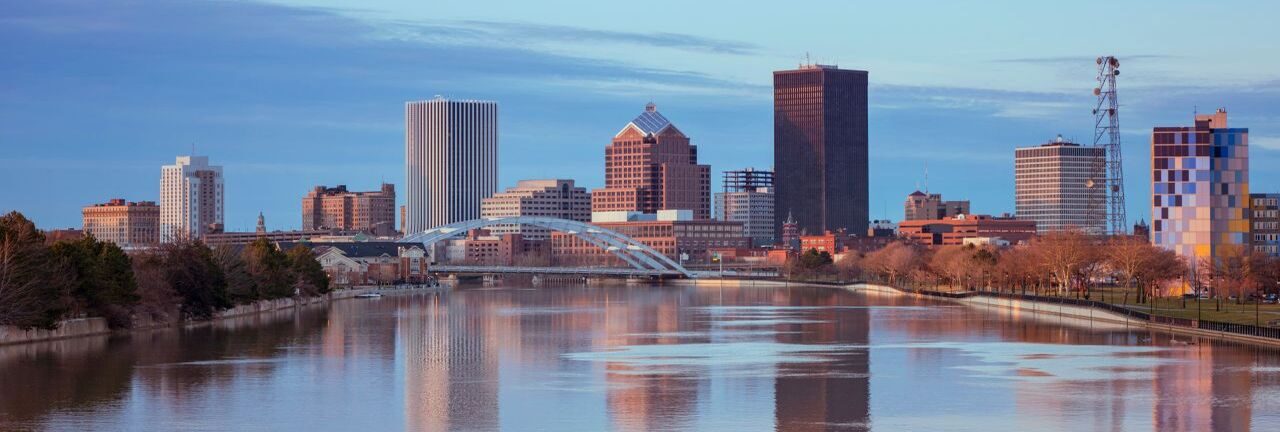

People looking for a low-cost rehab in Rochester, New York have a new option, and it exists because of public money rather than private investment.
New York State put more than $787,000 into developing a Comprehensive Outpatient Program that opened in late July, operated by the nonprofit Huther Doyle.
That funding source is the reason the clinic can do something most private treatment centers cannot, which is take people who have no way to pay.
What Opioid Settlement Money Bought
The New York State Office of Addiction Services and Supports announced the opening on July 28. Alongside the $787,000 in development funding, OASAS is providing more than $396,000 a year in ongoing state aid.
That recurring piece matters. A one-time construction grant does not keep a clinic staffed, and it is the annual aid that determines whether the doors stay open past year one.
The Rochester site is the 43rd Comprehensive Outpatient Program in the state. OASAS has put more than $17.8 million into building out the initiative, and more than $14.3 million of that came from the New York State Opioid Settlement Fund.
Those settlements, secured by Attorney General Letitia James, will send more than $3 billion to New York from opioid manufacturers and pharmaceutical companies.
A portion goes directly to municipalities, and the rest sits in a dedicated fund for prevention, treatment, harm reduction, and recovery. Across the state, these programs served more than 29,000 people in 2025.
Why One Location Matters
The Comprehensive Outpatient model pulls together services that are usually scattered across a city. Medication for addiction treatment, including methadone, sits in the same building as counseling and general health care.
For someone in the Finger Lakes region, that means one intake, one address, and one set of appointments, instead of a methadone clinic in one place, a counselor in another, and a primary care provider somewhere else.
The design is deliberate. OASAS Commissioner Dr. Chinazo Cunningham said these programs “help cut down on some of the barriers that keep people from seeking treatment.”
Those barriers are usually practical rather than clinical. Transportation, unpaid time off work, and childcare are what end treatment episodes before they finish, and every additional address on the schedule multiplies all three.
Who Qualifies for Free or Low-Cost Treatment Here
Huther Doyle states that no one is denied access to services because of an inability to pay, and it runs a discounted fee schedule based on family size and income. That sliding scale is the mechanism that makes the clinic usable for someone with no coverage at all.
For people who do have coverage, the provider accepts Medicaid, Medicare, state-financed insurance plans other than Medicaid, TRICARE, private insurance, Access to Recovery vouchers, and self-pay. Federal funding and SAMHSA block grants support services as well.
If you have Medicaid in New York, addiction treatment is a covered benefit, and your out-of-pocket cost at a participating provider is typically minimal or nothing at all.
How to Access These Resources
Rapid access is built into the program. Huther Doyle offers evaluations that are often scheduled the same day they are requested, which removes the waiting period that sends people back toward use while they sit on a list.
A few practical steps if you are trying to get in:
- Call and ask directly for an evaluation rather than leaving a message for a callback.
- If you are uninsured, ask about the sliding fee scale by name and be ready to document household size and income.
- If you have Medicaid insurance, confirm your specific plan is accepted before the first visit.
- Ask whether medication can be started at intake, since beginning medication early makes a measurable difference for opioid use disorder.
- New Yorkers can also reach the state HOPEline at 1-877-846-7369, or text HOPENY to 467369. It is free, confidential, and staffed 24 hours a day, seven days a week.
Free and Low-Cost Rehabs in Rochester, New York
Huther Doyle is one option inside a public system that is larger than most people expect. OASAS oversees roughly 1,700 prevention, treatment, harm reduction, and recovery programs serving more than 731,000 people a year.
That includes 12 state-operated Addiction Treatment Centers providing inpatient and residential care to about 8,000 people annually.
If cost is the thing standing between you and treatment, search the Rehabs.org directory for free and low-cost programs in Rochester and across New York, filtered by the payment type you actually have. Call
800-914-7089
( Sponsored)
to speak with a treatment specialist today.
Sponsored)
to speak with a treatment specialist today.
