
New Roads Behavioral Health Provo
 Sponsored
About New Roads Behavioral Health Provo
Partial hospitalization at New Roads Behavioral Health means clinical treatment by day and an evening back home. The center is a nonprofit rehab center in Provo, Utah. It also runs residential care for adults 18 and older with substance use disorders and complex mental health conditions.
Staff practice dialectical behavioral therapy, which gives people practical skills for riding out intense feeling without acting on the first impulse.
Partial Hospitalization in Provo
The partial hospitalization program (PHP) keeps the clinical work intensive through the day, and people head home or to supported housing every night. Program hours stop for the weekend. If you have children at home, that nightly return keeps their routine where it is.
Its PHP+ option adds supported housing, meaning a place to stay where support is part of the setup.
If you are working out how to pay, the center is in-network for most major health insurance plans, and it also takes private pay with flexible monthly payments. Spreading the cost across months changes how much a family needs on hand at the start.
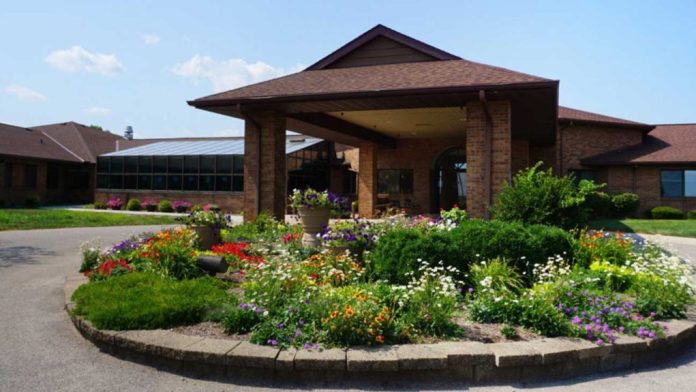
The center opened in 2009 and sits in a residential neighborhood in the southwest part of Provo.
Amenities
Hiking is a great way to relieve stress, get perspective, navigate challenges, connect with nature, and improve your health - all essential components of sustaining long-term recovery. Studies also show that the body releases endorphins during physical activities like hiking. These endorphins improve mood and act as a natural pain reliever.
Yoga and meditation are great activities to support your recovery process during alcohol or drug rehab. These therapies have been around for centuries, and they are an effective way to improve well-being. Combining addiction treatment, yoga, and meditation can reduce cravings, improve sleep, relieve anxiety and depression, provide stress relief, promote relaxation, support emotional healing, and improve energy levels.
Music can be extremely therapeutic, serving as a valuable healing tool and an integrative feature of a holistic treatment plan. A music room offers a large number of outlets, including singing, playing musical instruments, and listening to music.
Private drug rehab provides a comfortable, secure environment that allows you to focus on doing the work to get your life back on track. Benefits include a higher staff-to-client ratio, increased one-on-one time with therapists and healthcare providers, private rooms for clients, and customized forms of therapy.
Recreational therapy uniquely combines therapeutic interventions with an activity, like horse-riding, hiking, wilderness therapy, basketball, tennis, or a full workout. Benefits of recreational therapy include providing a healthy way to work through the emotions of recovery, learning to build and maintain relationships, improving communication skills, and building self-esteem.
Residential drug rehab provides the comforts of home with the therapeutic support needed to successfully recover. Benefits of an inpatient program include increased safety, a higher success rate, and the time and distance given to focus on recovery. Residential drug rehabs are often the preferred method of treatment, as they can be tailored to meet specific needs, offer focused therapeutic care, and provide the necessary tools to sustain recovery.
Swimming increases blood flow to the body and brain, boosts white blood cells, and improves muscle strength, lung capacity, and overall stamina. Drug rehabs with a swimming pool offer physical and mental benefits to complement the recovery process.
Addiction Treatment Programs
A young adult program in Utah offers comprehensive treatment to prepare young adults to be successful in life. Treatment addresses challenges unique to this age bracket (teens and twenties), and provides activities and therapies tailored for young adults.
Adults 18 and older are the population served here, so the program is an adult program throughout.
For many people, alcohol rehab in Utah is an essential first step on their journey of recovery. These programs provide treatment and support that make it possible to address issues of addiction and make changes that put individuals on the path to sobriety.
NRTH supports young men whose development and lives have been affected by severe mental health conditions, and the program is built around that group.
The WRTH program takes women between 18 and 28, and the support it provides is for their mental health.
During opioid rehab in Utah, you will develop healthy coping skills, gain support for your recovery, and learn how to prevent relapse. This treatment program will allow you to overcome addiction and maintain a healthy, sober lifestyle.
Cognitive behavioral therapy in Utah teaches individuals how to calm their minds and face challenges instead of avoid them. This treatment method empowers people to manage feelings and situations that have led to substance abuse in the past.
When you enter a drug rehab in Utah, you start a journey toward recovery. This usually involves four stages: treatment initiation, early abstinence, maintaining abstinence, and advanced recovery. Addiction experts are available to help you every step of the way with personalized treatment and support.
Women’s rehab in Utah focuses on empowering women with self-confidence and support to achieve long-term sobriety. These programs allow gender-related issues to be handled among other women, which is more comfortable for many participants.
Assertive Community Treatment (ACT) is an integrative, community-based care strategy designed to address the needs of persons with severe and/or complex mental illness or behavioral disorders. ACT is typically provided by a multidisciplinary team of medical and mental health care providers, social workers, therapists, and other specialists, including addiction recovery professionals. These services are frequently provided in the home and community to clients in crisis, those who are clinically unstable, and those who are unable or unwilling to travel to a hospital or clinic for in-person treatment.
Levels of Care
Utah outpatient rehab allows you to remain at home during treatment. You’ll visit a counselor’s office or treatment center a couple of times per week for sessions. You’ll also attend 12-step group meetings. This support will provide accountability and help you continue to develop strategies to prevent relapse.
Depending on the program, inpatient rehab in Utah can last from four to 12 weeks. It involves living at the facility under 24/7 supervision. Typical treatment methods include individual, group, and recreational therapy as well as medication.
When you decide to enter drug rehab in Utah, you’ll commonly start your recovery with detox. You’ll receive round-the-clock care to cleanse your systems of all addictive substances. This may involve medication to alleviate withdrawal.
The partial hospitalization program keeps clinical care at a high level, but clients spend evenings at home or in supported housing, and weekends away.
If you meet the criteria for both substance abuse disorder and a mental health disorder, this is called dual diagnosis. For the best recovery outcomes, you need dual diagnosis treatment in Utah. This type of treatment involves specialists in both fields, to address all your recovery needs.
Accreditations
Accepted Insurance
Contact Information


 Sponsored
Nadia holds a Master’s in Secondary Education and specializes in supporting teens and young adults with learning differences. Passionate about helping teens overcome Adverse Childhood Experiences (ACEs), Nadia creates safe, empowering classroom environments where students can thrive.
Kerry Nenn is an award-winning writer and editor whose published works include 10 books and extensive content in the addiction/recovery space. Based in the St. Louis area, she holds a bachelor’s degree in social work and psychology (BSW) from Evangel University (Springfield, MO). Kerry regularly contributes to industry-leading websites, international journal publications, and Christian ministries.
Rehabs.org regularly reviews this listing for accuracy but changes may occur between updates. For the most up-to-date information, please contact New Roads Behavioral Health Provo.
Nearby Treatment Centers

151 South University Avenue
Suite 1500
Provo, UT 84601
750 North Freedom Boulevard
Provo, UT 84601
619 North 500 West
Provo, UT 84601

1053 West 1020 South
Provo, UT 84601
Popular Utah Cities
More Cities View Other Utah CitiesFAQs
Which insurance plans does New Roads Behavioral Health take?
UnitedHealthcare, Blue Cross Blue Shield, Aetna and Cigna are in network, and most other major plans are as well. Affirm is the partner for monthly payment plans.
What ages and groups does the Provo center take?
Anyone 18 or older is part of the population, so adults make up the whole of it. Within that, WRTH is set aside for women between 18 and 28, while NRTH works with young men facing severe mental health conditions.
What therapy approach is New Roads known for?
Dialectical behavior therapy, better known as DBT, is where the center puts its clinical expertise. Recognition for that therapy is national, and DBT is the method the center returns to when it describes its strengths.
