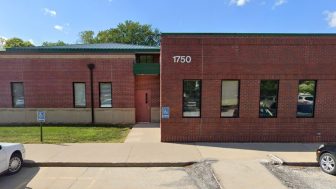
New Life Counseling West Des Moines
1200 Valley West Dr
Suite 700
West Des Moines, IA 50266
 Sponsored
About New Life Counseling West Des Moines
Situated in Des Moines, Iowa, New Life Counseling’ West Des Moines office is a faith-based counseling practice that offers outpatient therapy to individuals, couples, and families. It can be a good fit if you’re looking for talk therapy grounded in Christian values, but still puts a focus on evidence-based approaches like cognitive behavioral therapy.
A Spiritual Approach to Holistic Care
Doing some research, I saw that they offer individual and group sessions with licensed therapists. Their practice style leans into holistic and spiritual techniques, and they utilize the work of Dr. Donald Gilbert, someone who brings a nice blend of both counseling credentials and pastoral experience. His “Principles for Living” approach tends to blend traditional therapy techniques with Biblical teachings, but that may be helpful for people seeking emotional growth aligned with their faith.
Warm Feedback
The clinic sees a mix of adults, seniors, and younger adults, and they also work with couples and families. A lot of clients appreciated the warmth and insight of specific counselors, especially those looking for a Christian-informed approach. That said, some reviewers mentioned issues around communication and scheduling hiccups.
Around Des Moines
Insurance is accepted, though it depends on the provider you use. If you’re looking to take a breather before or after a session, Valley West Mall is right around the corner for a walk or a coffee, and Raccoon River Park is close as well. It’s good for getting out in nature.
For something more cultural, I noticed that the Des Moines Art Center is a short drive and can be a surprisingly therapeutic outing in itself.
New Life Counseling might be a solid option if you want counseling with a spiritual backbone and a focus on long-term personal growth, especially if you're the kind of person who wants therapy to align with your faith.
Amenities
Art and music are mediums that connect with our feelings, making them a great recovery tool during addiction treatment. Studies show that combining art/music and drug rehab can have a greater therapeutic impact than drug rehab alone, as you’re able to access parts of your brain and body that you may not have access to during traditional talk therapy. Benefits of art/music therapy include lowering stress and anxiety, promoting healthy neurochemicals, and providing stress relief.
Business centers are a preferred amenity in many mental health and addiction recovery facilities and typically feature secure, high-speed internet, computer stations, printers, and related business technologies. Business centers are designed to enable professionals and students to continue to participate in work or school activities without leaving the treatment facility.
Addiction treatment in the metro area benefits clients by offering seamless connections from the city, around the state, and those seeking out-of-state treatment. Another benefit of attending a metro area drug rehab is that you’re close to major airports and ground transportation services.
Private drug rehab provides a comfortable, secure environment that allows you to focus on doing the work to get your life back on track. Benefits include a higher staff-to-client ratio, increased one-on-one time with therapists and healthcare providers, private rooms for clients, and customized forms of therapy.
Addiction Treatment Programs
EMDR Therapy is a neurobiological treatment modality used to address trauma disorders and related mental and behavioral health challenges. Short for eye movement desensitization and reprocessing, EMDR is designed to help clients cope with distressing memories and emotions, including fear, sadness, and anger. EMDR may help clients in addiction recovery manage the psychological and emotional triggers that contribute to substance misuse and/or addiction relapse.
When you attend rehab, your substance abuse treatment plan may include rational emotive behavioral therapy in Iowa. This evidence-based method helps regulate feelings, thoughts, and behaviors through action-oriented therapy.
Triggers can cause a person who is addicted to crave a substance and relapse. Cognitive behavioral therapy in Iowa teaches people how to manage these triggers in multiple ways that don’t involve turning to substances.
A young adult program in Iowa specializes in addiction treatment for young people from their teen years through their late 20s. Some include adults up through age 32. Treatment focuses on recovery challenges that are specific to this stage of life.
Treatment at an adult program in Iowa is targeted for men and women over the age of 18. These recovery services focus on establishing healthy coping skills that allow individuals to stop abusing substances.
The journey through alcohol rehab in Iowa typically involves four key phases. Treatment initiation is followed by early abstinence. Participants then learn how to maintain abstinence, and finally enter advanced recovery. These steps teach individuals how to develop and maintain a healthy, sober lifestyle.
Men’s rehab in Iowa offers multiple levels of care. Treatment programs designed for men include inpatient, outpatient, partial hospitalization programs (PHP), intensive outpatient programs (IOP), detox, and sober living.
Women and men react differently biologically, emotionally, and socially to substance abuse and addiction. That’s why women’s rehab in Iowa provides treatment targeted to meet women’s needs.
Women and men react differently biologically, emotionally, and socially to substance abuse and addiction. That’s why women’s rehab in Iowa provides treatment targeted to meet women’s needs.
Drug rehab in Iowa is available in many formats. A variety of inpatient and outpatient options provide programs tailored to individual needs. The aim of each is to help participants recover from drug addiction.
Veteran’s rehab in Iowa offers evidence-based treatment that addresses the full needs of Veterans who are facing addiction. Treatment may include family therapy, group therapy, individual therapy, life skills training, wellness programs, and relapse prevention.
Levels of Care
Outpatient rehab in Iowa is tailored to fit each person’s needs. It may last a few weeks or more than a year. During that time, you will attend regular therapy sessions and receive support from a group such as AA or NA. This treatment will help you put strategies in place to prevent relapse and promote recovery.
Iowa dual diagnosis treatment centers focus on treating both mental health and substance abuse disorders. Since these two conditions interact heavily, this dual program is crucial to meet the needs of those who have co-occurring disorders.
Contact Information


 Sponsored