New Horizon Counseling Center
50 West Hawthorne Avenue
2nd floor
Valley Stream, NY 11580
 Sponsored
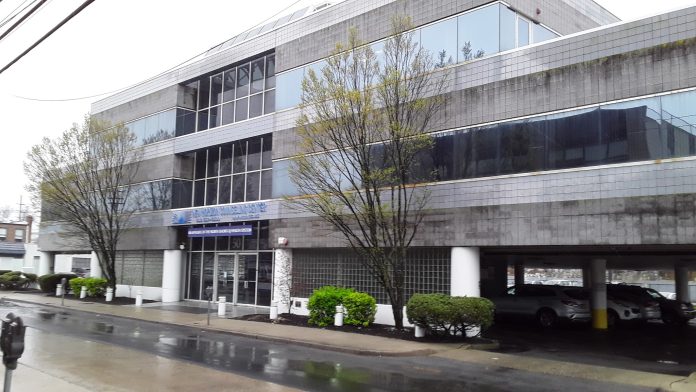
About New Horizon Counseling Center
New Horizon Counseling Center in Valley Stream, New York, provides a warm and serene setting for high quality and low cost outpatient substance misuse treatment for adults. They may also support folks with co-occurring conditions. This is when someone simultaneously struggles with both addictive behavior and mental issues.
The program is licensed by NYS OASAS and serves both adults and adolescents aged 13 to 18. These include those who are currently “using” or experimenting with alcohol and drugs. The adolescent services adopt a well rounded approach to help teens recognize the negative consequences of using substances and encourage a life free from drugs and alcohol.
These programs are not just affordable but also very flexible. I especially like that they accept Medicare, Medicaid and private insurance. This makes paying for their treatment easy and services very accessible. They even offer a sliding scale fee structure which lets you pay according to your income.
Treatment begins with intake screening and evaluation. This helps the clinical team create personalized care tailored to your needs. You’ll start receiving therapy a week after the assessment.
The facility offers individual and group therapy alongside family counseling and education. Individual therapy involves a one on one session with a therapist. This session focuses on your personal challenges, goals and progress in recovery. It gives you the chance to dive deep into what’s driving your substance use. This may be stress, past trauma or everyday struggles. Your therapist will work with you to identify triggers and create strong coping strategies.
Group therapy provides a safe space to interact and share experiences with others on similar recovery journeys. Everyone learns from each other and supports each other's progress. Such an interactive setting can make you feel less lonely in recovery, which is super helpful. You can even pick up new coping skills, get feedback and see how others tackle similar challenges.
The sessions cover abstinence skill building, relapse prevention, anger management and conflict resolution. They also encompass topics like self esteem improvement, goal setting and increasing sober socialization. These are all important in maintaining a sober lifestyle and preventing relapse. You’ll also participate in education sessions on the disease of addiction. These provide insight on the social, physical and medical consequences of substance misuse.
Family involvement is an important component of this program. Their family counseling equips your loved ones with education, tools and skills for your recovery. They also offer psychiatric evaluation and medication management services to support folks with co-occurring conditions. Various specialty services are also available. These include anger management classes, Suboxone management and parenting support groups. Additional services are bilingual DWI programs, drug and alcohol education, random urine toxicology and breathalyzer tests.
Amenities
Addiction treatment in the metro area benefits clients by offering seamless connections from the city, around the state, and those seeking out-of-state treatment. Another benefit of attending a metro area drug rehab is that you’re close to major airports and ground transportation services.
Business centers are a preferred amenity in many mental health and addiction recovery facilities and typically feature secure, high-speed internet, computer stations, printers, and related business technologies. Business centers are designed to enable professionals and students to continue to participate in work or school activities without leaving the treatment facility.
Private drug rehab provides a comfortable, secure environment that allows you to focus on doing the work to get your life back on track. Benefits include a higher staff-to-client ratio, increased one-on-one time with therapists and healthcare providers, private rooms for clients, and customized forms of therapy.
Art and music are mediums that connect with our feelings, making them a great recovery tool during addiction treatment. Studies show that combining art/music and drug rehab can have a greater therapeutic impact than drug rehab alone, as you’re able to access parts of your brain and body that you may not have access to during traditional talk therapy. Benefits of art/music therapy include lowering stress and anxiety, promoting healthy neurochemicals, and providing stress relief.
Addiction Treatment Programs
To address the full range of issues involved in alcohol use disorder, an alcohol rehab in New York often incorporates a variety of treatment methods. Physical activity, nutrition, psychotherapy, and support groups are common aspects of treatment.
There are many options available for opioid rehab in New York. Treatment programs include detox, inpatient rehab, outpatient rehab, or intensive outpatient programs (IOPs). Consider the severity of your addiction, how long you’ve been addicted, and personal history to determine which type of program is best for you.
When you choose drug rehab in New York, you’ll participate in a variety of treatments that are designed to help you live a drug-free lifestyle. Common methods of treatment include group, individual, and family counseling, medication management, nutrition, exercise, and management of co-occurring mental health disorders.
While at a young adult program in New York, young people can participate in activities and therapy sessions that cater to their age bracket. They can also form relationships with other young adults for mutual support.
A quality adult program in New York provides a combination of medical, mental, and emotional support to treat the whole individual. Various methods are used to help adults achieve and maintain sobriety.
Some men benefit most from men’s rehab in New York. These programs understand the unique challenges that men face when struggling with addiction, and they offer personalized treatment to address these challenges.
Men and women face different issues when it comes to addiction and recovery. Women’s rehab in New York offers treatment approaches that address life issues that are specific to women.
Men and women face different issues when it comes to addiction and recovery. Women’s rehab in New York offers treatment approaches that address life issues that are specific to women.
Cognitive behavioral therapy in New York emphasizes how thoughts affect mood. It is a goal-oriented method that teaches participants how to address dysfunctional thoughts and underlying beliefs that can lead to substance abuse and addiction.
Levels of Care
Mental health disorders that co-occur with substance abuse disorders often cause relapse. For successful recovery, both disorders must be treated, with dual diagnosis treatment in New York. Common methods include cognitive-behavioral therapy, medication management, and counseling.
For those who require accountability but less intensive oversight, outpatient rehab in New York is a good option. During this treatment, you meet regularly with a counselor and attend support group meetings, for accountability and encouragement. This may last for a few weeks or months, based on your recovery journey.
Intervention services are a valuable addiction treatment tool for those seeking to get a loved one started on a recovery journey. Professional intervention staff can help plan and facilitate interventions, provide access to key resources, and assist in developing a personalized treatment plan for drug rehab in New York.
The first step toward a drug-free future is detox in New York. This is the process of slowly and safely ridding your body of all addictive substances, while under 24/7 supervision by professionals.
Once rehab is complete, aftercare rehab in New York steps in to prevent relapse. This program gives you access to resources that reduce stress and help you successfully navigate challenges. Studies show that people who take advantage of these resources are more likely to maintain long-term recovery.
Contact Information


 Sponsored
Chika Uchendu has over a decade of experience crafting engaging, authoritative and results-driven content across diverse industries. His expertise spans personal finance & investing, emerging technology and health & wellness. He has a knack for distilling complex topics into compelling narratives that captivate readers and drive engagement.
As substance use disorder has become a national emergency, Chika has decided to lend his voice in this space. He uses his expertise to raise awareness, foster meaningful discussions and provide actionable insights that empower individuals on their path to healing. When he’s not creating content, Chika enjoys sports, hiking and outdoor adventure.
Kerry Nenn is an award-winning writer and editor whose published works include 10 books and extensive content in the addiction/recovery space. Based in the St. Louis area, she holds a bachelor’s degree in social work and psychology (BSW) from Evangel University (Springfield, MO). Kerry regularly contributes to industry-leading websites, international journal publications, and Christian ministries.
Rehabs.org regularly reviews this listing for accuracy but changes may occur between updates. For the most up-to-date information, please contact New Horizon Counseling Center.