New Hope
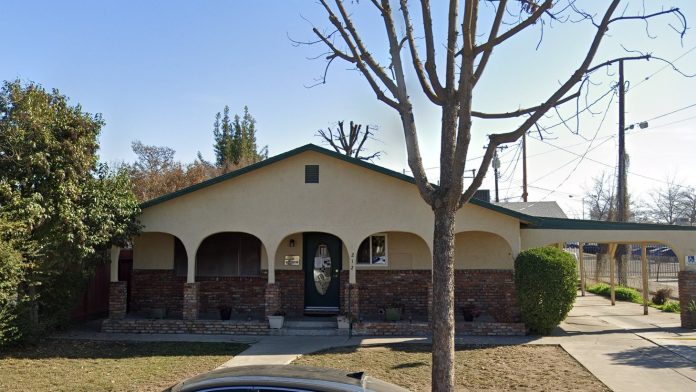
212 North Stevenson Street
Visalia, CA 93291
 Sponsored
About New Hope
Central Valley Recovery Services (CVRS) is an addiction rehab organization in Visalia, California. They offer the New Hope residential treatment program for women, which is a program for women with co-occurring substance use disorder (SUD) and mental health challenges.
The program gives priority to pregnant and parenting women 18 and over. They base the program fees on each client’s ability to pay, but they won’t turn anyone away for an inability to pay for treatment services. The facility determines each client’s ability to pay on a case by case basis.
Treating Clients Since 1971
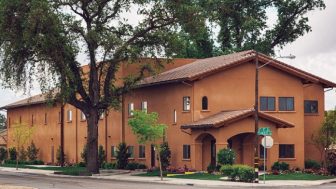
The New Hope program is near downtown Visalia, close to Main Street with its restaurants and shops. The Visalia Transit Center is nearby, providing individuals with easy access to the treatment center. Nearby Mooney Grove Park offers plenty of green space for outdoor recovery activities.
CVRS has been providing services since 1971. They offer culturally sensitive, bilingual non-discriminatory behavioral health and addiction treatment, including non-medical detoxification.
Compassionate and Nonjudgmental Treatment
I noticed that graduates of the treatment program have highlighted the staff’s nonjudgmental attitudes and compassion. Positive remarks have mentioned the effective classes and supportive environment. Some clients have noted that they received help with their personal recovery goals and in addressing legal challenges.
The New Hope program specifically assists women with co-occurring disorders. The staff-to-client ratio is 3:1, providing for individualized attention. Clients stay in semi-private rooms and have immediate access to mental health treatment.
Aftercare and Self-Help
I like that self-help is emphasized with groups such as Alcoholics Anonymous (AA), Narcotics Anonymous (NA) and Dual Recovery Anonymous (DRA). You’ll receive parenting and nutrition classes, as well as alcohol and drug education.
There are family support groups and individual and group therapy. Clients have access to aftercare programs to ensure long term sobriety and stability.
Amenities
Private drug rehab provides a comfortable, secure environment that allows you to focus on doing the work to get your life back on track. Benefits include a higher staff-to-client ratio, increased one-on-one time with therapists and healthcare providers, private rooms for clients, and customized forms of therapy.
Residential drug rehab provides the comforts of home with the therapeutic support needed to successfully recover. Benefits of an inpatient program include increased safety, a higher success rate, and the time and distance given to focus on recovery. Residential drug rehabs are often the preferred method of treatment, as they can be tailored to meet specific needs, offer focused therapeutic care, and provide the necessary tools to sustain recovery.
Transportation services are designed to ensure your addiction treatment begins and ends successfully by offering free transportation to the rehab facility, to and from your appointments during rehab, and back home upon program completion.
Luxury rehab is a form of treatment offered in a residential, resort-style setting. You’ll receive personalized treatment from staff and clinicians, have access to forms of treatment that go beyond what a typical inpatient rehab offers, and offer specific amenities like ocean views, large single occupancy bedrooms with private baths, and complementary spa treatments like massage, acupuncture, or reiki. Most luxury rehab centers have a limited number of beds.
Addiction Treatment Programs
Typically, a young adult program in California can guide individuals from detox, through initial treatment, and extends to aftercare. Treatment gives young adults what they need to reset their lives and move to the next stage of life free from addiction.
An adult program in California uses various therapeutic methods to treat a person who is dependent on an addictive substance. Individuals aged 18 and older are eligible for treatment, which focuses on breaking the cycle of addiction and learning how to maintain sober living.
Alcohol rehab in California provides professional treatment to guide participants through each step of recovery. Programs offer a support system to walk you through challenges and celebrate victories with you, from detox to long-term sobriety.
For those who are struggling with opioid use disorder, help is available at opioid rehab in California. This complex addiction can be treated through a combination of evidence-based therapies and medication assisted treatment.
When a person is struggling with addiction, their actions and emotions may not be rational. Cognitive behavioral therapy in California helps individuals understand better why they feel and act certain ways and how those emotions and actions can lead to substance abuse.
Drug rehab in California teaches participants constructive ways to stay clean and sober. Treatment revolves around helping individuals stop using the substance they are addicted to and learn healthy habits to avoid relapse.
Levels of Care
When you choose outpatient rehab in California, you will meet with a counselor and attend support group meetings. The focus will be on restructuring attitudes and thoughts to reduce cravings and develop skills to prevent relapse. The length of time in outpatient rehab varies by individual, based on their recovery needs.
When you have a co-occurring disorder, it is essential to treat both your addiction and the mental health disorder. California dual diagnosis treatment provides this type of multidisciplinary approach, for improved recovery outcomes.
Community support and relationship-building are key elements of aftercare rehab in California. You’ll receive recovery coaching, social support, and mentors to help you maintain sobriety after completing initial rehab treatment. This support will continue as long as you need it, which could be weeks or more than a year.
Unlike outpatient drug rehab, clients receiving inpatient rehab in California reside at the facility for the duration of the program. The length of stay may range from two weeks to 18 months or more, depending on the client's needs and the program’s design.
Intervention services in California provide the support you need to encourage a loved one to make wise recovery decisions. Professionals will help you work with your loved one to develop an intervention plan and get him or her started on their recovery journey.
Accreditations
Contact Information


 Sponsored