
Murphy Harpst Children’s Center
 Sponsored

About Murphy Harpst Children’s Center
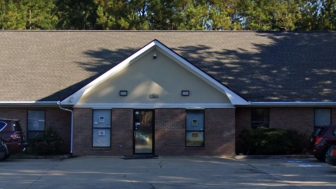
Murphy Harpst Children’s Center is a residential treatment program in Cedartown, Georgia, for children and young adults.
The center sits on 160 acres in the foothills of Northwest Georgia, and residents attend an accredited school there. It cares for 75 children, plus young adults who stay on past 18.
Referrals and Admissions
Every child at Murphy Harpst arrives through a referral, whether from DFCS, the state’s child welfare agency, the Department of Juvenile Justice or the Office of Refugee Resettlement. There’s no route in for a family that isn’t already working with one of them.
The center runs residential care, with no outpatient treatment or sober living in Cedartown. Children live on campus and get individual, group and family therapy, and equine assisted psychotherapy gives them a way to work on behavior and relationships with horses. Living where the treatment happens keeps school and therapy in the same place.
Paying for CORE Services
CORE Services are for anyone whose daily functioning is significantly affected by a diagnosed mental illness or a substance use disorder that co-occurs with it. Medicaid and state funds pay for the program, and substance use counseling is one of the services inside it.
You won’t find payment assistance or a sliding fee scale at the center.
Young adults who turn 18 there can stay on, and the Transitional Living Program houses 18- to 21-year-olds leaving residential or foster care while they learn to live on their own.
Amenities
Private drug rehab provides a comfortable, secure environment that allows you to focus on doing the work to get your life back on track. Benefits include a higher staff-to-client ratio, increased one-on-one time with therapists and healthcare providers, private rooms for clients, and customized forms of therapy.
Addiction Treatment Programs
A young adult program in Georgia focuses on the motivations, challenges, and needs of this stage of life. Participants receive treatment tailored to this age bracket.
Treatment services at an adult program in Georgia are typically offered on a continuum of care. These intensity levels address unique needs as individuals progress through various stages of recovery.
By offering men’s rehab in Georgia, addiction treatment centers provide an outlet for men to build bonds with other men who are facing similar challenges. The relationships formed can help men reduce their risk of relapse.
Addiction and substance use treatment affect men and women differently. Women’s rehab in Georgia addresses the internal and external factors that women face which differ from men.
Negative thought patterns can lead to substance abuse as a way to self-medicate. During cognitive behavioral therapy in Georgia, individuals learn how to identify and stop these negative patterns and manage them in healthy ways that don’t involve substances.
Levels of Care
For those with a moderate addiction, outpatient rehab in Georgia is often appropriate. This involves attending individual and group counseling sessions each week. Outpatient treatment may continue long-term if needed, until you are ready for the next stage of your recovery journey.
CORE Services are for people whose mental illness, or a co-occurring substance use disorder, significantly affects how they function day to day.
Sober living in Georgia provides a drug-free environment where you can learn to live a sober lifestyle. You’ll receive peer support while taking on responsibilities for household bills and chores and adhering to strict house rules. This structured setting can be helpful during your first few months after rehab treatment.
Contact Information


 Sponsored
Rehabs.org regularly reviews this listing for accuracy but changes may occur between updates. For the most up-to-date information, please contact Murphy Harpst Children’s Center.
Nearby Treatment Centers



FAQs
How is treatment paid for at Murphy Harpst?
CORE Services get their funding from Medicaid and state funds. CORE is for people with a diagnosed mental illness, or a co-occurring substance use disorder, whose daily functioning is significantly affected. Children at the center arrive through DFCS, the Department of Juvenile Justice or the Office of Refugee Resettlement.
What kind of care does Murphy Harpst Children's Center provide?
Residential treatment is part of what the center does, along with specialized foster care placements and community programs for children and their families. CORE Services are for people whose mental illness, or a co-occurring substance use disorder, significantly affects daily functioning.
