
Mountainview Recovery
108 Monticello Road
Suite #400
Weaverville, NC 28787
 Sponsored
About Mountainview Recovery
Mountainview Recovery was a drug and alcohol addiction treatment facility in Weaverville, North Carolina. They’re closed now but they offered services such as medical detox, intensive outpatient care, and the aftercare program. The facility helped clients heal from addictions to substances such as cocaine, ketamine and opioids.
Medically Assisted Detox For More Convenience
The medically assisted detox service allowed clients to undergo detox with help from the staff without having to stay at the facility. Clients were allowed to continue daily routines such as continuing work or going to school. Mountainview Recovery Center provided medications to help individuals reduce their withdrawal symptoms and make the process of detox easier.
Accessible Care Near Asheville
Weaverville is a suburb of Asheville that’s a little over 20 minutes outside of downtown Asheville. I liked that clients could easily make a quick trip after treatment sessions to enjoy the vibrant arts scene that the city is known for. Another option I think patients would have enjoyed was the calming nature scenery at the Asheville Botanical Garden.
Addressing Underlying Trauma
The facility understood that clients sometimes self medicated with drugs and alcohol to escape the pain of trauma. Through the Seeking Safety Model, Mountainview Recovery helped clients address and heal themselves from both trauma and substance abuse.
The counselors worked with patients to identify their traumatic experiences and learn coping skills to manage the effects of it. Examples of trauma that patients might have been struggling with included childhood neglect, war, or sexual assault. Counselors guided individuals toward safe ways of managing emotions, relationships and thought patterns without using substances.
Amenities
Hiking is a great way to relieve stress, get perspective, navigate challenges, connect with nature, and improve your health - all essential components of sustaining long-term recovery. Studies also show that the body releases endorphins during physical activities like hiking. These endorphins improve mood and act as a natural pain reliever.
Rehabs that offer mountain views provide beautiful spaces for clients to explore, de-stress, and take part in outdoor or wilderness therapy programs. The mountain surroundings can be a great help to the recovery process, as sobriety may be better achieved while surrounded by a serene setting in nature.
Private drug rehab provides a comfortable, secure environment that allows you to focus on doing the work to get your life back on track. Benefits include a higher staff-to-client ratio, increased one-on-one time with therapists and healthcare providers, private rooms for clients, and customized forms of therapy.
Art and music are mediums that connect with our feelings, making them a great recovery tool during addiction treatment. Studies show that combining art/music and drug rehab can have a greater therapeutic impact than drug rehab alone, as you’re able to access parts of your brain and body that you may not have access to during traditional talk therapy. Benefits of art/music therapy include lowering stress and anxiety, promoting healthy neurochemicals, and providing stress relief.
Addiction Treatment Programs
When individuals participate in a young adult program in North Carolina, they feel more at ease in a setting that is age-appropriate. Activities, therapies, and aesthetics are all tailored for this age group, so participants can feel comfortable and are more likely to complete the program.
An adult program in North Carolina typically combines individual and group counseling, medical treatment, and various other therapies to treat substance use disorders. Treatment can take place in an inpatient or outpatient setting.
Men’s rehab in North Carolina offers customized treatment for men. These programs provide personalized treatment that is designed with the unique needs of men in mind.
Women’s rehab in North Carolina allows women to receive gender-specific treatment tailored to their needs. Programs are available for alcohol, heroin, prescription drugs, benzos, and any other addictive substances, as well as co-occurring disorders.
To overcome opioid addiction, attend opioid rehab in North Carolina. Treatment takes place in inpatient or outpatient care, using a variety of therapies, medications, and other helpful interventions. Length of treatment caries, typically lasting 30, 60, or 90 days.
Women’s rehab in North Carolina allows women to receive gender-specific treatment tailored to their needs. Programs are available for alcohol, heroin, prescription drugs, benzos, and any other addictive substances, as well as co-occurring disorders.
Assertive Community Treatment (ACT) is an integrative, community-based care strategy designed to address the needs of persons with severe and/or complex mental illness or behavioral disorders. ACT is typically provided by a multidisciplinary team of medical and mental health care providers, social workers, therapists, and other specialists, including addiction recovery professionals. These services are frequently provided in the home and community to clients in crisis, those who are clinically unstable, and those who are unable or unwilling to travel to a hospital or clinic for in-person treatment.
Levels of Care
Outpatient rehab in North Carolina is often the next step for those who complete an inpatient program. This less restrictive treatment involves several hours of therapy per week, and accountability through 12-step meetings such as AA. You’ll continue this treatment as long as needed, which could be weeks, months, or years.
Some of the most common co-occurring mental health disorders include anxiety, depression, and eating disorders. When these are present alongside substance use disorder, dual diagnosis treatment in North Carolina is necessary to address both conditions.
Aftercare rehab in North Carolina is a crucial part of relapse prevention. It gives you access to resources that will help you manage stress and overcome life hurdles. Typical services include career coaching, financial guidance, and ongoing counseling and emotional support. These may continue for a few months or more than a year after initial rehab.
When you choose inpatient drug rehab in North Carolina, you’ll live at a rehab facility for 28 to 90 days, depending on the program. Typical methods of treatment include group and individual therapy and family counseling.
Nearly all drug rehabs in North Carolina begin with a detox program. When this process is complete, all addictive substances will be purged from your body. You can then move on to the next steps of drug rehab in North Carolina.
Recovery journeys often begin with intervention services in North Carolina. This treatment tool provides key support in planning and facilitating an effective intervention. Intervention specialists can also provide resources to develop treatment plans and guide families through the admission process.
Many people find that a few months in North Carolina sober living after rehab treatment gives them a good foundation for long-term recovery. The average stay at a sober living home is five to eight months, but you get to decide when you are ready to live on your own.
Accreditations
Contact Information


108 Monticello Road
Suite #400
Weaverville, NC 28787
Sponsored
Nearby Treatment Centers
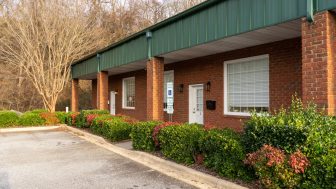
9 Old Burnsville Hill Rd
Suite 7
Asheville, NC 28804

901 Old Mars Hill Hwy
Suite 5
Weaverville, NC 28787
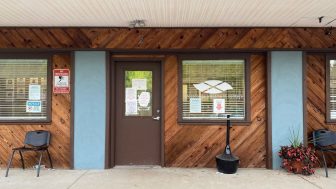
901-3 Old Mars Hill Hwy
Suite 3
Weaverville, NC 28787
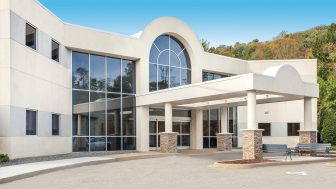
145 Powers Road
Asheville, NC 28804
