
Mountain Vista Farm
 Sponsored

About Mountain Vista Farm
Adults from 18 to 92, including first responders and people in other high stress jobs, can come to Mountain Vista Farm, a residential rehab center in Glen Ellen, California.
The farm has supported people in recovery from alcohol and drug addiction since 1949, and it's privately owned. There are thirty residential beds on about 8 acres of open space and nature.
A supervised detox program helps people through withdrawal, and most residential stays run 30 to 90 days depending on clinical need.
After residential care, people can step down into partial hospitalization or intensive outpatient care, and I want to add that eligible clients can stay in aftercare for as long as two years.
Insurance Accepted in Glen Ellen
Mountain Vista Farm is in network with Anthem Blue Cross, Cigna, Tri-Care, Aetna, MHN and Healthnet, and it can take most IEHP member
I want to note that you can reach out to see what costs your health insurance covers. In network care is billed at rates the plan and the program agreed on ahead of time.
Amenities
Private drug rehab provides a comfortable, secure environment that allows you to focus on doing the work to get your life back on track. Benefits include a higher staff-to-client ratio, increased one-on-one time with therapists and healthcare providers, private rooms for clients, and customized forms of therapy.
Residential drug rehab provides the comforts of home with the therapeutic support needed to successfully recover. Benefits of an inpatient program include increased safety, a higher success rate, and the time and distance given to focus on recovery. Residential drug rehabs are often the preferred method of treatment, as they can be tailored to meet specific needs, offer focused therapeutic care, and provide the necessary tools to sustain recovery.
Transportation services are designed to ensure your addiction treatment begins and ends successfully by offering free transportation to the rehab facility, to and from your appointments during rehab, and back home upon program completion.
In order to maintain a sense of autonomy, many private rehab facilities offer clients the ability to choose their own private rooms. The privacy and personal space ensure that the recovery process is as comfortable as possible.
Addiction Treatment Programs
Typically, a young adult program in California can guide individuals from detox, through initial treatment, and extends to aftercare. Treatment gives young adults what they need to reset their lives and move to the next stage of life free from addiction.
Adults from 18 to 92 are treated here, so the range runs all the way up to people in their nineties.
Alcohol rehab in California provides professional treatment to guide participants through each step of recovery. Programs offer a support system to walk you through challenges and celebrate victories with you, from detox to long-term sobriety.
Gender-specific addiction treatment programs may be more effective in treating men because they focus on unique needs of males. Men’s rehab in California is designed to help men process emotions and cope with stress in a judgment-free environment.
Women’s rehab in California provides a safe environment where women can work through addiction challenges surrounded by their gender peers. This often creates an environment that is more conducive to recovery.
For those who are struggling with opioid use disorder, help is available at opioid rehab in California. This complex addiction can be treated through a combination of evidence-based therapies and medication assisted treatment.
When a person is struggling with addiction, their actions and emotions may not be rational. Cognitive behavioral therapy in California helps individuals understand better why they feel and act certain ways and how those emotions and actions can lead to substance abuse.
Drug rehab in California teaches participants constructive ways to stay clean and sober. Treatment revolves around helping individuals stop using the substance they are addicted to and learn healthy habits to avoid relapse.
Seniors face unique challenges that may contribute to substance use disorder and co-occurring disorders. Elderly rehab in California is designed to address these challenges to provide relevant and safe treatment for seniors.
The incidence of substance abuse and addiction is higher among the LBGTQ community. That’s why LBGTQ-friendly rehab in California is available, to offer specialized treatment that addresses the unique needs of individuals in this demographic.
Veterans often face unique challenges from combat and military deployment. Veteran’s rehab in California addresses these issues as part of a comprehensive addiction treatment program.
Assertive Community Treatment (ACT) is an integrative, community-based care strategy designed to address the needs of persons with severe and/or complex mental illness or behavioral disorders. ACT is typically provided by a multidisciplinary team of medical and mental health care providers, social workers, therapists, and other specialists, including addiction recovery professionals. These services are frequently provided in the home and community to clients in crisis, those who are clinically unstable, and those who are unable or unwilling to travel to a hospital or clinic for in-person treatment.
Levels of Care
Outpatient care here is where you can step down, into programs like PHP and IOP. A two-year aftercare program follows that.
Both are handled together here through an integrated approach, so substance use and a mental health condition get the same plan.
Continuing care groups carry on after treatment ends. Clients who qualify can attend for up to two years, so support can run past discharge.
Residential treatment here is inpatient support for early recovery. Most stays run 30 to 90 days, and the length is set by clinical need rather than a fixed number of weeks.
When you enter drug rehab in California, detox is the first step towards becoming drug-free. The detox process includes 24/7 monitoring and medical care and may include the use of medications to ease withdrawal symptoms.
California sober living has been shown to reduce relapse and improve recovery. These programs offer highly-structured living environments for those who desire to remain sober. House rules usually include abstinence from substances, participation in 12-step meetings, and contribution to household responsibilities.
Partial hospitalization programs (PHPs) are a type of outpatient treatment program that often utilize many of the same treatment methods used for inpatient care. The difference being that you only visit the drug rehab in California during treatment times, then you can return home.
Accreditations
Accepted Insurance






Contact Information


 Sponsored
Natalie is a recent graduate of Purdue University, where she studied psychology and creative writing. Every morning, she’s fueled by a cup of tea and her passion for making sure mental health resources are accessible to everyone. In her spare time, she loves writing poetry by her window, where she can watch the sunrise.
Rehabs.org regularly reviews this listing for accuracy but changes may occur between updates. For the most up-to-date information, please contact Mountain Vista Farm.
Nearby Treatment Centers

Popular California Cities
More Cities View Other California CitiesFAQs
Does Mountain Vista Farm accept my insurance?
It’s an in-network provider for Anthem Blue Cross, Cigna, Tri-Care, Aetna, MHN and Healthnet. Most IEHP members can be accepted as well. That list is what the provider names for insurance.
What levels of care does this program offer?
Detox, residential treatment, PHP, IOP and aftercare, plus integrated care for co-occurring mental health conditions. Residential stays of 30 to 90 days come first, then a step down to PHP and IOP, then aftercare groups for up to two years.
Who is this program set up for?
Adults from 18 to 92 are treated in Glen Ellen, and the program also has specialized support for first responders and people in high-stress professions.
How long do people usually stay at Mountain Vista Farm?
Residential stays typically last 30 to 90 days, set by clinical need. After that, continuing care groups can run for up to two years for clients who qualify.
What is the setting like here?
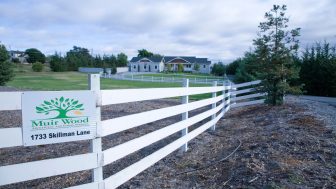
The property covers eight and a half acres in Glen Ellen, surrounded by nature and open space. That acreage and open space are the setting the provider describes.
