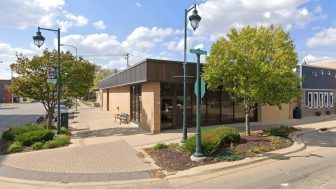
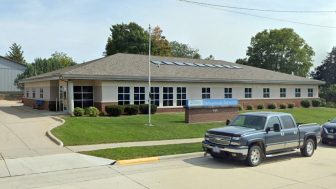
Mission Teens Midwest MBTC
422 2nd Street Southwest
Cresco, IA 52136
 Sponsored
About Mission Teens Midwest MBTC
Mission Teens Midwest MBTC is a long-term and faith-based recovery program located in the small town of Cresco, Iowa. They started in 1969. It’s part of the larger Mission Teens network and offers residential and outpatient care for adults 18 and up. The approach they take doesn’t shy away from being deeply rooted in Christian values, with a focus on discipleship and spiritual growth alongside recovery from addiction.
Residential Care
The residential program is broken into four phases. Each lasts a couple of months, and it’s designed for people who need serious structure and time to rebuild. Bible study, group therapy, counseling, and life skills training are all key parts of daily life. There’s also an option for people to stay on after graduation through a staff training program that gives a chance to mentor others and continue their own growth.
Outpatient Care
They also offer outpatient and intensive outpatient (IOP) services for folks who don’t need or can’t commit to inpatient care. There’s an aftercare program as well for people to transition back into everyday life while staying connected to a recovery network.
Other Programs
Mission Teens runs mostly on donations and ministry support, so they don’t turn people away for lack of money. They accept Medicaid, Medicare, sliding scale payments, and other methods of payment to meet your needs.
The feeling you’ll get is simple, spiritual, and focused on healing through community and faith. Cresco itself is quiet and peaceful, with Evans Park and Beadle Park nearby. It can be ideal for unplugging from distractions and getting grounded. If you’re looking for a recovery path that emphasizes faith, accountability, and long-term personal change, you might want to check them out.
Amenities
Private drug rehab provides a comfortable, secure environment that allows you to focus on doing the work to get your life back on track. Benefits include a higher staff-to-client ratio, increased one-on-one time with therapists and healthcare providers, private rooms for clients, and customized forms of therapy.
Residential drug rehab provides the comforts of home with the therapeutic support needed to successfully recover. Benefits of an inpatient program include increased safety, a higher success rate, and the time and distance given to focus on recovery. Residential drug rehabs are often the preferred method of treatment, as they can be tailored to meet specific needs, offer focused therapeutic care, and provide the necessary tools to sustain recovery.
Addiction Treatment Programs
A young adult program in Iowa specializes in addiction treatment for young people from their teen years through their late 20s. Some include adults up through age 32. Treatment focuses on recovery challenges that are specific to this stage of life.
Treatment at an adult program in Iowa is targeted for men and women over the age of 18. These recovery services focus on establishing healthy coping skills that allow individuals to stop abusing substances.
The journey through alcohol rehab in Iowa typically involves four key phases. Treatment initiation is followed by early abstinence. Participants then learn how to maintain abstinence, and finally enter advanced recovery. These steps teach individuals how to develop and maintain a healthy, sober lifestyle.
Men’s rehab in Iowa offers multiple levels of care. Treatment programs designed for men include inpatient, outpatient, partial hospitalization programs (PHP), intensive outpatient programs (IOP), detox, and sober living.
Women and men react differently biologically, emotionally, and socially to substance abuse and addiction. That’s why women’s rehab in Iowa provides treatment targeted to meet women’s needs.
Opioid rehab in Iowa is more comprehensive than many people imagine. This treatment addresses physical, mental, emotional, and relational issues that contribute to opioid abuse. Most successful programs offer comprehensive care that includes detox, behavioral therapy, medication assisted treatment, and aftercare support.
Levels of Care
Outpatient rehab in Iowa is tailored to fit each person’s needs. It may last a few weeks or more than a year. During that time, you will attend regular therapy sessions and receive support from a group such as AA or NA. This treatment will help you put strategies in place to prevent relapse and promote recovery.
Iowa dual diagnosis treatment centers focus on treating both mental health and substance abuse disorders. Since these two conditions interact heavily, this dual program is crucial to meet the needs of those who have co-occurring disorders.
Once you’ve completed treatment, Iowa aftercare rehab helps you adapt to everyday life. It addresses issues and challenges associated with recovery. It offers practical support to help you maintain a sober lifestyle. This may continue as long as you need it, which for most people is at least one year after initial sobriety.
Also known as residential treatment, inpatient rehab in Iowa typically involves group and individual therapy, family therapy, medication management, and other therapy methods. Participants receive these treatments while living at the facility under 24/7 care.
Intervention specialists on staff will help you plan and facilitate your loved one's intervention. They offer access to valuable resources and can assist with the transportation and admission process at a drug rehab in Iowa. These services are often key to getting a loved one to accept the treatment they need.
Contact Information


 Sponsored