
Middle Peninsula Northern Neck Community Services Board Community Options Case Management
 Sponsored
About Middle Peninsula Northern Neck Community Services Board Community Options Case Management
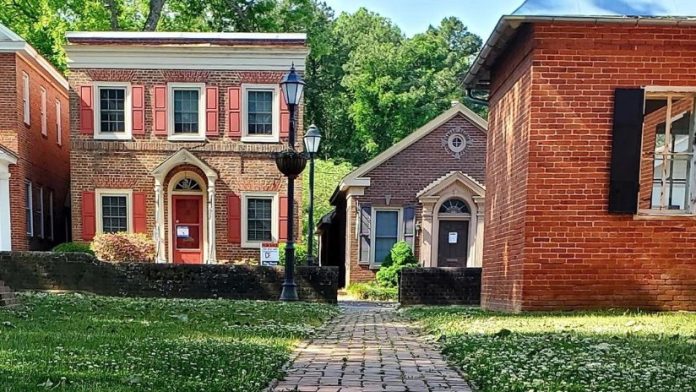
Middle Peninsula Northern Neck Community Services Board operates the Essex Counseling Center in Tappahannock, Virginia providing community-based substance use disorder case management and outpatient treatment.
The program serves adults, adolescents, men and women with therapy, supporting both standalone substance use disorders and co-occurring diagnoses.
As a regional public behavioral health provider, it weaves addiction care into a broader continuum that includes crisis, peer recovery, mental health and community support services.
Outpatient and Intensive Outpatient Care
I noticed that the Tappahannock site offers a stepwise range of substance use services, including outpatient treatment through Foundations and Intervention plus an Intensive Outpatient Program for adults with significant alcohol or drug use.
Case management ties it all together, coordinating access to housing, employment and healthcare.
Treatment offers approaches such as The Matrix Model, Twelve Step Facilitation, Motivational Interviewing and Cognitive Behavioral Therapy.
Sessions combine individual, group and family work to address both the behaviors and the underlying issues driving substance use with referrals to medication-assisted treatment available when requested.
Priority Access for Pregnant Women and Opioid Care
I am impressed that the program prioritizes pregnant women, females with dependent children, IV drug users and people using opioids.
Pregnant individuals and those with opioid addiction are offered appointments within 48 hours of request, along with ASAM assessment and customized referrals.
Amenities
Private drug rehab provides a comfortable, secure environment that allows you to focus on doing the work to get your life back on track. Benefits include a higher staff-to-client ratio, increased one-on-one time with therapists and healthcare providers, private rooms for clients, and customized forms of therapy.
Residential drug rehab provides the comforts of home with the therapeutic support needed to successfully recover. Benefits of an inpatient program include increased safety, a higher success rate, and the time and distance given to focus on recovery. Residential drug rehabs are often the preferred method of treatment, as they can be tailored to meet specific needs, offer focused therapeutic care, and provide the necessary tools to sustain recovery.
Recreational therapy uniquely combines therapeutic interventions with an activity, like horse-riding, hiking, wilderness therapy, basketball, tennis, or a full workout. Benefits of recreational therapy include providing a healthy way to work through the emotions of recovery, learning to build and maintain relationships, improving communication skills, and building self-esteem.
Hiking is a great way to relieve stress, get perspective, navigate challenges, connect with nature, and improve your health - all essential components of sustaining long-term recovery. Studies also show that the body releases endorphins during physical activities like hiking. These endorphins improve mood and act as a natural pain reliever.
In order to maintain a sense of autonomy, many private rehab facilities offer clients the ability to choose their own private rooms. The privacy and personal space ensure that the recovery process is as comfortable as possible.
Addiction Treatment Programs
When individuals choose a young adult program in Virginia, they have the opportunity to participate in a supportive and safe program specifically designed for people in their teens and twenties. Treatment helps them make choices during this stage of life that lead to healthy, long-term recovery.
An adult program in Virginia is often the ideal solution for individuals struggling with substance use. Care is available at different intensity levels, based on individual situations, and a variety of treatment methods are used, to meet each person’s unique needs.
Alcohol rehab in Virginia is treatment that helps people overcome addiction. Men and women struggling with alcohol use disorder receive the support and therapies they need to address substance use issues and move forward in recovery.
At men’s rehab in Virginia, participants don’t have to feel the need to hide their struggles. Men can share emotions and challenges freely and get the support they need.
Women’s rehab in Virginia often allows participants to find their voices for the first time. The safe, caring environment nurtures relationships with other women and helps women discover who they are and how to live a life without substances.
During opioid rehab in Virginia, a team of professionals will work with you to create a recovery plan. This plan will include evidence-based therapies and other methods that address your unique needs and help you begin your journey toward recovery.
In an addiction treatment setting, cognitive behavioral therapy in Virginia is helpful because it targets triggers and helps individuals develop healthy coping skills. It focuses on changing thoughts and related behaviors. This is ideal for relapse prevention.
When you enroll in drug rehab in Virginia, you receive a treatment regimen that is designed to help you overcome your addictive behaviors. This may include education on addiction, group therapy, mental therapy, and relapse prevention.
Staff at an elderly rehab in Virginia are trained to provide addiction treatment for seniors. They are familiar with age-related disorders such as dementia and Alzheimer’s disease as well as common challenges of aging, such as depression due to isolation.
Rational emotive behavioral therapy in Virginia is a form of psychotherapy often used in addiction treatment to help participants change their thinking patterns and resulting actions. They learn to develop new coping skills and healthier thought and behavior patterns to achieve long-term recovery.
EMDR Therapy is a neurobiological treatment modality used to address trauma disorders and related mental and behavioral health challenges. Short for eye movement desensitization and reprocessing, EMDR is designed to help clients cope with distressing memories and emotions, including fear, sadness, and anger. EMDR may help clients in addiction recovery manage the psychological and emotional triggers that contribute to substance misuse and/or addiction relapse.
Levels of Care
Virginia outpatient rehab typically requires a few hours of treatment per week. You’ll be asked to attend group meetings such as NA or AA as well as one-on-one sessions with a recovery expert. This treatment may last for a few weeks or many months, depending on your needs.
Substance abuse and mental illness often go hand in hand. When they co-occur, it is crucial to treat both disorders. A Virginia dual diagnosis treatment center offers the integrated approach necessary to address all issues involved.
Virginia aftercare rehab is an important follow-up to rehab. Many people in recovery remain in aftercare for a year or more. During that time, aftercare services provide continued counseling, support groups, and practical legal, financial, and career guidance.
Drug and alcohol rehab in Virginia often takes place in an inpatient rehab setting. This means living at the treatment center under 24/7 clincial supervision while you receive various treatments. Typical methods include individual and group therapy, medication, and dietary counseling.
Drug rehab in Virginia typically starts with detox. This is the process of ridding your systems of all addictive substances. You will receive a custom detox plan created by professionals to suit your recovery goals.
Successful recovery journeys often begin with intervention services. This treatment tool provides education, resources, and support so families can stage an effective intervention. Staff intervention professionals also assist with the development of treatment plans and provide guidance for admission to drug rehab in Virginia.
Accreditations
Staff
Contact Information


 Sponsored
Patti Croft is a full-time writer who writes about accessing effective addiction treatment during the day but is also pursuing her dream of penning a novel in her spare time. She enjoys copious amounts of coffee as creative fuel and sharing an office with her adorable cat, Beau. Her background is in healthcare management, and she is a passionate advocate for mental health and addiction care.
Rehabs.org regularly reviews this listing for accuracy but changes may occur between updates. For the most up-to-date information, please contact Middle Peninsula Northern Neck Community Services Board Community Options Case Management.
Nearby Treatment Centers

10515 Cabaniss Lane
Hanover, VA 23069
12300 Washington Highway
Ashland, VA 23005
19254 Rogers Clark Boulevard
Ruther Glen, VA 22546

3786 George Washington Memorial Hwy
Hayes, VA 23072
