
Briarwood Medical Group, Bldg #3
375 Briarwood Circle
Building 3
Ann Arbor, MI 48108
 Sponsored
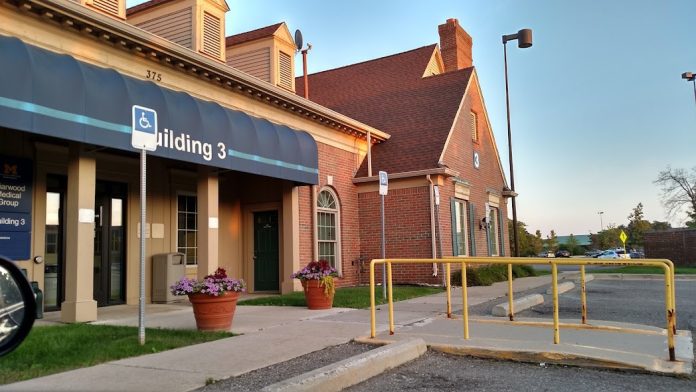
About Briarwood Medical Group, Bldg #3
You'll find Briarwood Medical Group of the University of Michigan located out in Ann Arbor, Michigan. They have a Department of Psychiatry that helps people battling mental health and substance abuse issues. They have both inpatient and outpatient programs, with a specialty on nutrition.
Child & Adolescent Psychiatry
Their inpatient programs help with crises and emergency psychiatry, as well as eating disorders.
The outpatient programs for child and adolescent psychiatry help people with OCD and anxiety, ADHD, trauma and grief issues, as well as treatment resistant disorder or TRD.
Addiction, Mental Health & Special Programs
I really love the innovative treatment methods they use. They can help with addiction, bipolar disorder, and adults with anxiety disorder, and they have a partial hospitalization program for adults. They can refer you to another center in their network if your symptoms are acute.
They have a couple of special programs, like one on nutrition. People with substance use disorders may not have proper diets, which can fuel an addiction. Having a balanced meal can give you more energy, make you healthier, and have more confidence. Plus, a strong diet can be a better coping mechanism for stress.
They also have a youth and adolescent suicide prevention program that focuses on research, training and education, as well as crisis help.
Amenities
Private drug rehab provides a comfortable, secure environment that allows you to focus on doing the work to get your life back on track. Benefits include a higher staff-to-client ratio, increased one-on-one time with therapists and healthcare providers, private rooms for clients, and customized forms of therapy.
Recreational therapy uniquely combines therapeutic interventions with an activity, like horse-riding, hiking, wilderness therapy, basketball, tennis, or a full workout. Benefits of recreational therapy include providing a healthy way to work through the emotions of recovery, learning to build and maintain relationships, improving communication skills, and building self-esteem.
Music can be extremely therapeutic, serving as a valuable healing tool and an integrative feature of a holistic treatment plan. A music room offers a large number of outlets, including singing, playing musical instruments, and listening to music.
In order to maintain a sense of autonomy, many private rehab facilities offer clients the ability to choose their own private rooms. The privacy and personal space ensure that the recovery process is as comfortable as possible.
Addiction treatment programs provide an opportunity to get your life back on track with access to school classes or college courses. Whether you want to finish your GED or go back to school to learn a new trade, facilities often enlist tutors and teachers who are certified or licensed by the state to oversee self-study or distance-learning education.
Some rehab programs offer free Wi-Fi to guests who have full access to their smartphone devices or laptop computers during treatment. While access to these devices may be allowed, the time spent using them is often regulated or restricted so clients can focus on treatment.
Addiction Treatment Programs
A young adult program in Michigan specializes in treatment tailored to individuals in this stage of life who are suffering from substance use disorder. Treatment addresses addiction and the challenges related to young-adult life.
No single adult program in Michigan is right for everyone. That’s why each program is tailored to meet the needs of the individual. Common aspects to an adult rehab program include individual counseling, group therapy, and aftercare support.
The backbone of most alcohol rehab in Michigan is a combination of individual and group therapy methods. Through these sessions, individuals learn how to address issues contributing to addiction and develop healthy lifestyle habits.
During men’s rehab in Michigan, individuals spend a significant amount of time in therapy. This gender-specific treatment gives men the tools they need to cope with stress and live without drugs and alcohol.
Women’s rehab in Michigan offers a full continuum of care for women seeking treatment for addiction. Programs range from intensive inpatient care to aftercare services.
During cognitive behavioral therapy in Michigan, participants do more than talk with their therapists. This is an engaging, hands-on approach that requires active participation. Individuals work with their therapist to change their thought and behavior patterns to overcome addiction.
Drug rehab in Michigan typically involves several phases. Individuals start with assessment, then move through the stages of detox, rehab, and aftercare. These programs can last for one week to one year.
Age-specific rehab can put participants at ease because they are with their peers. Elderly rehab in Michigan provides a safe and inviting setting for seniors to get the help they need to overcome addiction.
Veteran’s rehab in Michigan is often staffed by Veterans who understand the experiences of program participants. Services are tailored to meet Veterans’ needs with focused individual and group therapy as well as nutritional education, family therapy, recreational therapy, and other interventions.
Assertive Community Treatment (ACT) is an integrative, community-based care strategy designed to address the needs of persons with severe and/or complex mental illness or behavioral disorders. ACT is typically provided by a multidisciplinary team of medical and mental health care providers, social workers, therapists, and other specialists, including addiction recovery professionals. These services are frequently provided in the home and community to clients in crisis, those who are clinically unstable, and those who are unable or unwilling to travel to a hospital or clinic for in-person treatment.
Levels of Care
Outpatient rehab in Michigan is tailored to each person’s recovery journey. This treatment usually involves several hours of therapy sessions each week, along with attendance at support group meetings. However, the timeline varies from a few weeks, to months, to years, based on your needs.
A dual diagnosis treatment center in Michigan allows you to get treatment for substance abuse and mental health disorders at the same time. This is critical, because untreated mental health disorders often lead to relapse and poor recovery outcomes.
Aftercare rehab in Michigan helps you overcome hurdles after completing an addiction treatment program. You can receive assistance with finding a job, navigating legal issues, getting education, or plugging into a support group. These aftercare services unlock resources to help you continue to live a sober life.
Inpatient drug rehab in Michigan offers multiple forms of evidence-based treatments and complementary therapies you must particiapte in while living at the facility. Some inpatient rehabs offer nutritional counseling, recreational therapy opportunities, and meditation classes.
Intervention services in Michigan are often key to starting the recovery process. Intervention specialists provide support to encourage your loved one to get the help they need, provide access to educational and comjunity resources, and offer assistance with developing intervention and treatment plans.
Accreditations
Contact Information


 Sponsored
Nearby Treatment Centers
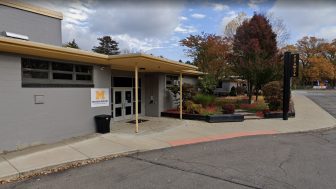
2800 Stone School Road
Ann Arbor, MI 48104
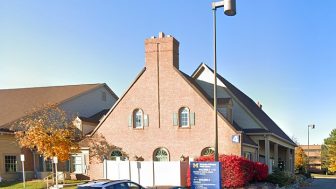
355 Briarwood Circle
Building 4
Ann Arbor, MI 48108
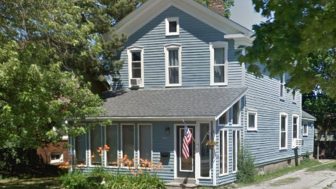
1505 South State Street
Ann Arbor, MI 48104

2140 East Ellsworth Road
Ann Arbor, MI 48108
