
Pine Street Rehabilitation Center
 Sponsored

About Pine Street Rehabilitation Center
Residential substance use treatment at Pine Street Rehabilitation Center runs 24 hours a day, seven days a week. The addiction treatment center in Fort Worth, Texas has 50 beds.
The center is part of MHMR, a unit of local government in Tarrant County. The agency serves adults and adolescents, including people with limited resources, and treats mental health alongside substance use.
Sliding Scale and Medicaid
At Pine Street in Fort Worth, fees are based on a sliding scale, and the accepted payers are Medicaid, private insurance and private pay. If you have public coverage, you can plan a residential stay around it. The Tarrant County Commissioners Court appoints the Board of Trustees that governs MHMR.
At Pine Street, licensed staff provide skills training, counseling and support, and the program holds Seeking Safety trauma groups. For adolescents, MHMR’s Youth Recovery Campus, known as The Campus, is a full-time residential program with 16 beds for boys ages 13 to 17.
Amenities
Private drug rehab provides a comfortable, secure environment that allows you to focus on doing the work to get your life back on track. Benefits include a higher staff-to-client ratio, increased one-on-one time with therapists and healthcare providers, private rooms for clients, and customized forms of therapy.
Residential drug rehab provides the comforts of home with the therapeutic support needed to successfully recover. Benefits of an inpatient program include increased safety, a higher success rate, and the time and distance given to focus on recovery. Residential drug rehabs are often the preferred method of treatment, as they can be tailored to meet specific needs, offer focused therapeutic care, and provide the necessary tools to sustain recovery.
Transportation services are designed to ensure your addiction treatment begins and ends successfully by offering free transportation to the rehab facility, to and from your appointments during rehab, and back home upon program completion.
Acupuncture is one of the most popular luxurious and alternative therapies offered by rehabs. An acupuncture room provides benefits like pain reduction, improved sleep, a healthy immune system, and a decrease in anxiety.
When paired with cognitive-behavioral therapy, exercise can be an effective tool for overcoming addiction. Drug rehabs with a gym offer clients healthy ways to increase energy levels, balance the body’s stress hormone levels, and aid in the brain’s healing process.
Addiction Treatment Programs
The goal of a young adult program in Texas is to set young people free from the effects of addiction and give them the skills they need to successfully navigate early adulthood. This is accomplished with age-appropriate settings, therapies, and activities.
Care runs as a continuum for adults and for adolescents, and people with limited resources are included in that rather than screened out.
When you enter alcohol rehab in Texas, you’ll find support systems to help you on your recovery journey. Professional counselors, physicians, and other people in recovery provide services and support to help you make changes and learn how to enjoy a sober lifestyle.
Men’s rehab in Texas can create an environment that makes men more comfortable. Many men in Texas seek out this type of treatment for its gender-specific benefits.
Many gender-specific issues must be addressed during addiction recovery. Women’s rehab in Texas provides the appropriate support for women’s challenges such as body image, motherhood, and trauma.
Through therapy, counseling, and medication assisted treatment, individuals in opioid rehab in Texas gain the skills they need to live a healthier life. The goal is to help you take control of your life and prevent relapse.
The goals of cognitive behavioral therapy in Texas include evaluating thoughts and changing thinking patterns that are leading to substance use. This treatment helps participants understand their motives and problem-solve to work through challenges without the use of substances.
While in a drug rehab in Texas, you’ll deal with underlying issues that contribute to addiction. By addressing these challenges and learning healthy ways to cope with them, you’ll develop strategies that help you live a drug-free lifestyle.
Many Veterans can benefit from Veteran’s rehab in Texas. These programs include drug and alcohol detox services, 12-step groups, psychotherapy, relapse prevention, and sober living homes.
Assertive Community Treatment (ACT) is an integrative, community-based care strategy designed to address the needs of persons with severe and/or complex mental illness or behavioral disorders. ACT is typically provided by a multidisciplinary team of medical and mental health care providers, social workers, therapists, and other specialists, including addiction recovery professionals. These services are frequently provided in the home and community to clients in crisis, those who are clinically unstable, and those who are unable or unwilling to travel to a hospital or clinic for in-person treatment.
Levels of Care
Outpatient rehab in Texas provides a means for addition treatment while you live at home. You will attend regular therapy sessions and typically maintain involvement with a 12-step program. Because it is tailored for each person’s needs, there is no set timeline for completion of outpatient rehab.
A dual diagnosis treatment center in Texas provides programs for people who struggle with both substance abuse and mental illness. Treating both disorders through an integrated approach is essential for recovery.
The initial weeks and months after rehab treatment are often the most difficult. Aftercare rehab in Texas is designed to help you successfully navigate these challenging times and maintain sobriety. You’ll receive emotional, mental, and practical supports, for up to a year or more after treatment.
Pine Street is a 50-bed residential facility for substance use treatment, so people stay on site while they go through the program.
Detox in Texas is your first step toward a drug-free future. During this phase, your systems are cleansed of all addictive substances. You’ll receive 24/7 care, which may include medication to alleviate withdrawal symptoms.
Sober living in Texas offers a flexible timeline to meet your recovery needs. You can stay in the sober living home as long as you adhere to house rules. These typically include a curfew, random drug tests, and contribution to household bills and chores.
A valuable tool for drug rehab in Texas is intervention services. This treatment tool provides education and resources on how to stage an effective intervention as well as professional assistance with facilitating the intervention. Staff then follow up with support to develop an effective treatment plan.
Accreditations
Contact Information


 Sponsored
Rehabs.org regularly reviews this listing for accuracy but changes may occur between updates. For the most up-to-date information, please contact Pine Street Rehabilitation Center.
Nearby Treatment Centers

1350 East Lancaster
Fort Worth, TX 76102

1502 East Lancaster Avenue
Fort Worth, TX 76102
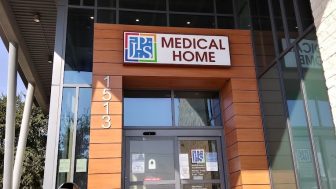
1513 East Presidio Street
Suite B
Fort Worth, TX 76102
1501 East El Paso Street
Fort Worth, TX 76102
Popular Texas Cities
More Cities View Other Texas CitiesFAQs
What payment options does Pine Street Rehabilitation Center take?
Services here run on a sliding scale, and Medicaid, private insurance or private pay can cover them. Which route applies depends on what a person has. Ask about the scale when you call. Health insurance for rehab is the place to start on coverage.
Is Pine Street a residential program, and does it treat dual diagnosis?
Yes, it’s residential. The program has 50 beds and treats substance use, and dual diagnosis care covers mental health alongside it. Both sides get treated in the same program.
How many people can stay at Pine Street at one time?
The residential facility holds 50 beds. It’s a substance use treatment program where people stay on site, which makes it the residential level rather than a day program.
When is the Pine Street Rehabilitation Center open for intake?
The program is open 24 hours a day, seven days a week, so there’s no window where the door is closed. It’s located in Fort Worth.
