Methodist Hospital Campus for Continuing Care
 Sponsored
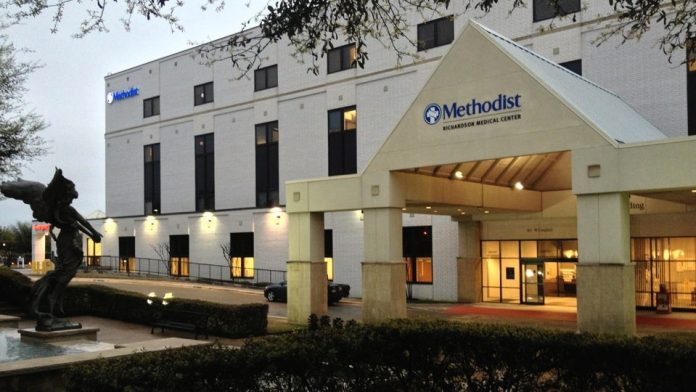
About Methodist Hospital Campus for Continuing Care
Methodist Hospital Campus for Continuing Care is a faith based addiction treatment center in Richardson, Texas, providing behavioral health and substance use recovery services for adults.
I'm impressed by their full continuum of care including inpatient treatment, partial hospitalization, intensive outpatient and general outpatient programs.
I appreciate the hospital affiliated setting, which allows coordinated care alongside broader medical and behavioral health services.
What types of addiction treatment are offered?
The campus provides inpatient care, partial hospitalization, intensive outpatient, and outpatient services, along with aftercare and alumni support.
Treatment includes therapy, counseling, peer support, case management and education, with cognitive behavioral therapy and dual diagnosis care for cooccurring conditions.
Who can get help at this campus?
The program primarily serves adults, with a behavioral unit designed to meet the needs of older adults through age informed care.
Family involvement is also emphasized, with family therapy and support groups built into the recovery model.
Where is the campus located?
Methodist Hospital Campus for Continuing Care is located at 401 W Campbell Rd in Richardson, Texas.
Its metropolitan setting in the Dallas area supports convenient access to airports and ground transportation.
Does the campus accept insurance?
The program accepts Medicaid, Medicare, private insurance and self pay, with financial aid available. Methodist Health System also maintains price transparency and financial assistance resources for the campus.
How do I get started?
To begin, reach out to Methodist Hospital Campus for Continuing Care in Richardson for an assessment and guidance on finding the right level of care.
A Path Toward Healing
Methodist Hospital Campus for Continuing Care in Richardson combines faith based support, family involvement and hospital based resources to guide adults toward lasting recovery.
Amenities
In order to maintain a sense of autonomy, many private rehab facilities offer clients the ability to choose their own private rooms. The privacy and personal space ensure that the recovery process is as comfortable as possible.
Addiction treatment in the metro area benefits clients by offering seamless connections from the city, around the state, and those seeking out-of-state treatment. Another benefit of attending a metro area drug rehab is that you’re close to major airports and ground transportation services.
Business centers are a preferred amenity in many mental health and addiction recovery facilities and typically feature secure, high-speed internet, computer stations, printers, and related business technologies. Business centers are designed to enable professionals and students to continue to participate in work or school activities without leaving the treatment facility.
Addiction Treatment Programs
The goal of a young adult program in Texas is to set young people free from the effects of addiction and give them the skills they need to successfully navigate early adulthood. This is accomplished with age-appropriate settings, therapies, and activities.
The Lone Star State offers a host of options for those in search of an adult program in Texas. From inpatient to outpatient care, adults can find a program that meets their needs for effective treatment of substance use issues.
When you enter alcohol rehab in Texas, you’ll find support systems to help you on your recovery journey. Professional counselors, physicians, and other people in recovery provide services and support to help you make changes and learn how to enjoy a sober lifestyle.
Men’s rehab in Texas can create an environment that makes men more comfortable. Many men in Texas seek out this type of treatment for its gender-specific benefits.
Many gender-specific issues must be addressed during addiction recovery. Women’s rehab in Texas provides the appropriate support for women’s challenges such as body image, motherhood, and trauma.
The goals of cognitive behavioral therapy in Texas include evaluating thoughts and changing thinking patterns that are leading to substance use. This treatment helps participants understand their motives and problem-solve to work through challenges without the use of substances.
While in a drug rehab in Texas, you’ll deal with underlying issues that contribute to addiction. By addressing these challenges and learning healthy ways to cope with them, you’ll develop strategies that help you live a drug-free lifestyle.
Elderly rehab in Texas provides treatment that is best-suited for the age, physical condition, and emotional condition of each participant. Staff are trained in geriatric issues and customize addiction treatment to address these concerns.
Levels of Care
Outpatient rehab in Texas provides a means for addition treatment while you live at home. You will attend regular therapy sessions and typically maintain involvement with a 12-step program. Because it is tailored for each person’s needs, there is no set timeline for completion of outpatient rehab.
A dual diagnosis treatment center in Texas provides programs for people who struggle with both substance abuse and mental illness. Treating both disorders through an integrated approach is essential for recovery.
The initial weeks and months after rehab treatment are often the most difficult. Aftercare rehab in Texas is designed to help you successfully navigate these challenging times and maintain sobriety. You’ll receive emotional, mental, and practical supports, for up to a year or more after treatment.
A valuable tool for drug rehab in Texas is intervention services. This treatment tool provides education and resources on how to stage an effective intervention as well as professional assistance with facilitating the intervention. Staff then follow up with support to develop an effective treatment plan.
Accreditations
Contact Information


 Sponsored
Amy Greene’s first novel Bloodroot was a New York Times and National Bestseller and a New York Times Editor’s Choice pick. Her second novel Long Man was a Washington Post Top Book of the Year. She lives in the Smoky Mountains of East Tennessee with her husband and two children.
Rehabs.org regularly reviews this listing for accuracy but changes may occur between updates. For the most up-to-date information, please contact Methodist Hospital Campus for Continuing Care.