EOSIS Tapestry
 Sponsored
About EOSIS Tapestry
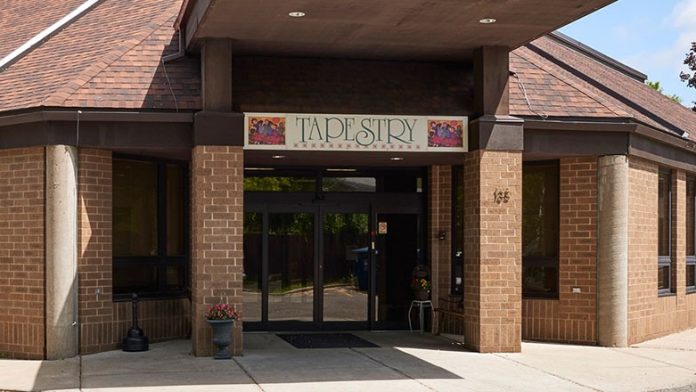
For residential addiction treatment, EOSIS Tapestry is a 50-bed addiction treatment center in St. Paul, Minnesota. The program admits female-identifying patients only.
High-intensity residential care includes 30 hours a week of group and individual counseling, and low-intensity residential care includes 10. The center is licensed as a co-occurring facility, so care can include other mental health disorders along with addiction.
Separate Living Quarters
Tapestry and Latitudes share a facility in St. Paul, and each program keeps its own living quarters. Latitudes is for LGBTQIA+ patients.
Bedrooms are double occupancy or triple occupancy, so you share a room while you live at the center. The building is handicapped accessible.
Paying With Medicaid
Tapestry takes Medicaid, public health coverage, so that’s a payer you can name when you plan the cost of a stay. Rides to non-emergency appointments are available when a patient needs them, and staff coordinate care with professionals outside the center.
Medical detox isn’t offered at this location. A person who is medically compromised may detox elsewhere before treatment starts.
Amenities
Residential drug rehab provides the comforts of home with the therapeutic support needed to successfully recover. Benefits of an inpatient program include increased safety, a higher success rate, and the time and distance given to focus on recovery. Residential drug rehabs are often the preferred method of treatment, as they can be tailored to meet specific needs, offer focused therapeutic care, and provide the necessary tools to sustain recovery.
Addiction Treatment Programs
During women’s rehab in Minnesota, women participate in evidence-based therapies to treat their substance use disorders. Therapy methods include individual, group, family, cognitive-behavioral, and dialectical behavior therapy.
Drug rehab in Minnesota often starts with assessment. Once needs are determined, the individual typically begins treatment with detox, then enters rehab, and finally receives aftercare once the program is complete. This continuum of care offers appropriate levels of support at each stage to help the individual achieve long-term recovery.
The goal of alcohol rehab in Minnesota is to help you make mental and behavioral changes that lead to recovery and long-term sobriety. Most methods rely on a combination of group and individual counseling to accomplish these goals.
When an individual struggles with drug and alcohol use, an adult program in Minnesota can provide treatment and mental health support. Designed for men and women over the age of 18, these programs help individuals obtain and maintain sobriety.
After evaluating your needs and budget, staff at opioid rehab in Minnesota will help you determine the length of your treatment and its intensity level, to properly address your degree of opioid dependence. Most programs include detox, addiction therapy, specialized care, and aftercare support.
During women’s rehab in Minnesota, women participate in evidence-based therapies to treat their substance use disorders. Therapy methods include individual, group, family, cognitive-behavioral, and dialectical behavior therapy.
Levels of Care
If you choose inpatient drug rehab in Minnesota, often referred to as residential rehab, you’ll receive 24/7 care while living at the rehab facility. Typical treatment services include individual and group therapy, medication management, and relapse prevention education.
Left untreated, mental disorders complicate substance abuse disorders and make addiction treatment ineffective. Dual diagnosis treatment in Minnesota addresses both, making it ideal for those who have co-occurring disorders.
Detox in Minnesota involves 24/7 supervision by professionals who help you cleanse your body of all addictive substances. This process can take up to a week and may involve medication to ease withdrawal symptoms.
Outpatient rehab in Minnesota provides a less restrictive environment than inpatient. You’ll live at home while attending just a few hours of counseling sessions per week and receive ongoing support through a program such as AA or NA. This will continue for as long as you need this level of accountability.
Accreditations
Accepted Insurance









Contact Information


 Sponsored
Rehabs.org regularly reviews this listing for accuracy but changes may occur between updates. For the most up-to-date information, please contact EOSIS Tapestry.