
EOSIS Twin Town
 Sponsored
About EOSIS Twin Town
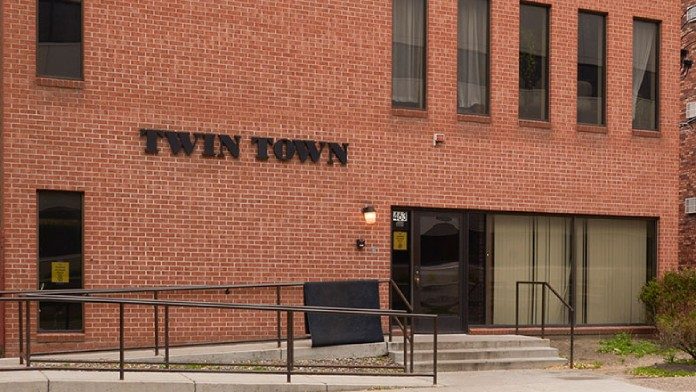
Residential treatment at EOSIS Twin Town runs at two intensities. This 50-bed treatment program in Saint Paul, Minnesota admits men only, and it’s served them since the 1960s.
The high-intensity program is 30 hours of counseling each week, in groups and individual sessions, and the low-intensity program is 10 hours. Moral Reconation Therapy, a cognitive-behavioral approach used for substance use disorders and trauma, coaches men in new ways of thinking.
Getting In and Paying
The center doesn’t offer medical detox, and a man who’s medically compromised may detox at another center they run before treatment starts. Medicaid is accepted at Twin Town in Saint Paul, along with a range of public funding plans.
The team is also in network with most health insurance plans. If you’re planning a residential stay, the payers a center takes are the first part of the cost to line up.
The Concerned Persons Group meets on Saturdays from 1 to 2 PM, run by a licensed alcohol and drug counselor. After discharge, you may have individual therapy or continuing care appointments.
Amenities
Residential drug rehab provides the comforts of home with the therapeutic support needed to successfully recover. Benefits of an inpatient program include increased safety, a higher success rate, and the time and distance given to focus on recovery. Residential drug rehabs are often the preferred method of treatment, as they can be tailored to meet specific needs, offer focused therapeutic care, and provide the necessary tools to sustain recovery.
When paired with cognitive-behavioral therapy, exercise can be an effective tool for overcoming addiction. Drug rehabs with a gym offer clients healthy ways to increase energy levels, balance the body’s stress hormone levels, and aid in the brain’s healing process.
Addiction Treatment Programs
Recovery is not the same for young adults as it is for older individuals. A young adult program in Minnesota treats the patient as a whole, addressing unique life-stage challenges, dual diagnosis issues, and substance abuse.
When an individual struggles with drug and alcohol use, an adult program in Minnesota can provide treatment and mental health support. Designed for men and women over the age of 18, these programs help individuals obtain and maintain sobriety.
The goal of alcohol rehab in Minnesota is to help you make mental and behavioral changes that lead to recovery and long-term sobriety. Most methods rely on a combination of group and individual counseling to accomplish these goals.
This is a 50-bed residential program for men, and it has served men since the 1960s at its St. Paul location.
During women’s rehab in Minnesota, women participate in evidence-based therapies to treat their substance use disorders. Therapy methods include individual, group, family, cognitive-behavioral, and dialectical behavior therapy.
After evaluating your needs and budget, staff at opioid rehab in Minnesota will help you determine the length of your treatment and its intensity level, to properly address your degree of opioid dependence. Most programs include detox, addiction therapy, specialized care, and aftercare support.
Cognitive behavioral therapy in Minnesota is based on rapid, action-focused treatment. This works well for 60 to 90-day rehab programs by providing participants with immediate and effective coping techniques.
During women’s rehab in Minnesota, women participate in evidence-based therapies to treat their substance use disorders. Therapy methods include individual, group, family, cognitive-behavioral, and dialectical behavior therapy.
Fitness therapy is an evidence-based complementary approach to addiction recovery and mental health care. Based on mounting scientific evidence of the benefits of physical activity in improving mood, enhancing clients’ sense of wellbeing, and decreasing depression and anxiety, fitness therapy encompasses a wide spectrum of intensities, from gentle yoga, qigong, and tai chi to weight training, kickboxing, and other highly physical activities.
Moral Reconation Therapy is part of the coaching here, aimed at changing the thought patterns that lead back to alcohol and other drug use.
Levels of Care
Outpatient rehab in Minnesota provides a less restrictive environment than inpatient. You’ll live at home while attending just a few hours of counseling sessions per week and receive ongoing support through a program such as AA or NA. This will continue for as long as you need this level of accountability.
Co-occurring mental health services are offered here, provided by a Minnesota licensed professional clinical counselor.
After discharge, appointments for individual therapy or continuing care are available, so support can continue past the residential stay at Twin Town.
Residential care comes at high intensity, with 30 hours of counseling a week, or at low intensity, with 10 hours.
Detox in Minnesota involves 24/7 supervision by professionals who help you cleanse your body of all addictive substances. This process can take up to a week and may involve medication to ease withdrawal symptoms.
Accreditations
Accepted Insurance







Contact Information


 Sponsored
Patti Croft is a full-time writer who writes about accessing effective addiction treatment during the day but is also pursuing her dream of penning a novel in her spare time. She enjoys copious amounts of coffee as creative fuel and sharing an office with her adorable cat, Beau. Her background is in healthcare management, and she is a passionate advocate for mental health and addiction care.
Rehabs.org regularly reviews this listing for accuracy but changes may occur between updates. For the most up-to-date information, please contact EOSIS Twin Town.
Nearby Treatment Centers
366 Prior Ave N
Saint Paul, MN 55104

1821 University Ave W
Suite N 385
Saint Paul, MN 55104

1919 University Avenue West
Suite 6
Saint Paul, MN 55104
1919 University Ave W
Suite 200
Saint Paul, MN 55104
Popular Minnesota Cities
More Cities View Other Minnesota CitiesFAQs
Does EOSIS Twin Town take Medicaid and private insurance?
Yes to both. Medicaid is accepted at every EOSIS location except Beauterre, and Twin Town is not the exception. The program is also in network with most insurance companies and takes a wide range of public funding plans.
Is this program residential or outpatient only?
Residential. Inpatient rehab here comes at a high and a low intensity: 30 hours of counseling a week at the high end and 10 hours at the low end. Co-occurring mental health services are also offered, and continuing care appointments are available after discharge.
Who does EOSIS Twin Town take into its program?
Men. The residential program is for men only, and the organization has served men since the 1960s. The building holds 50 beds at the St. Paul location.
What is there to do outside of group sessions at Twin Town?
There’s an on-site gym with treadmills, dumbbells, a weight bench, a lat machine and an exercise bike, plus corn hole, basketball, volleyball and a weight room. Rooms are 20 two-person rooms, 3 single rooms and 2 three-person rooms.
Is the Twin Town program licensed for co-occurring care?
Yes. The program holds a license as a co-occurring facility, so co-occurring disorders care falls under that license at Twin Town. That license covers substance use treatment offered together with co-occurring conditions.
