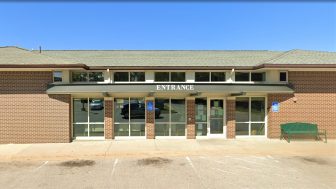
MercyOne Waterloo Horizons
3421 W 9th St
Waterloo, IA 50702
 Sponsored
About MercyOne Waterloo Horizons
MercyOne Horizons at Waterloo Medical Center provides comprehensive behavioral healthcare to teens, adolescents and adults in Waterloo, Iowa. Insurance, which includes Medicare, is accepted. The center is located near fast food, take out and dine in restaurants. What I like is that you can pick up food and enjoy it at Bontrager Park while you await your treatment. The park is conveniently located across the center.
The center itself is a full service, multi-speciality hospital with 366 beds. They provide acute, sub acute and outpatient healthcare. They have complete emergency services, they have a neonatal intensive care unit, cancer center, and a comprehensive behavioral healthcare program.
Their full service outpatient program is for adults who are 18 years of age and older. You’ll first undergo a diagnostic assessment. This helps their staff under your substance use history, mental health history and medical history. It helps to be as honest as possible as this will help determine the best level of care for you, as well as develop your treatment plan.
They have an array of substance use treatment programs. Medically managed detox is provided. FDA approved medications will be prescribed to help ease your withdrawal symptoms and cravings, therefore, allowing you to focus on your treatment and recovery.
Depending on your treatment plan, you may attend their intensive outpatient program (IOP) or their evening outpatient program (OP). You’ll be able to share and learn the necessary skills needed for recovery. Relapse prevention will also be a topic of discussion. This’ll help you learn to identify your triggers and how to overcome them.
Children and teens will also be able to be seen. They can come in and be treated for a variety of behavioral health issues. Your child can be seen for addiction, substance use, anger issues, anxiety disorder, and trauma and stress management.
Amenities
Private drug rehab provides a comfortable, secure environment that allows you to focus on doing the work to get your life back on track. Benefits include a higher staff-to-client ratio, increased one-on-one time with therapists and healthcare providers, private rooms for clients, and customized forms of therapy.
In order to maintain a sense of autonomy, many private rehab facilities offer clients the ability to choose their own private rooms. The privacy and personal space ensure that the recovery process is as comfortable as possible.
Business centers are a preferred amenity in many mental health and addiction recovery facilities and typically feature secure, high-speed internet, computer stations, printers, and related business technologies. Business centers are designed to enable professionals and students to continue to participate in work or school activities without leaving the treatment facility.
Addiction treatment in the metro area benefits clients by offering seamless connections from the city, around the state, and those seeking out-of-state treatment. Another benefit of attending a metro area drug rehab is that you’re close to major airports and ground transportation services.
Addiction Treatment Programs
The journey through alcohol rehab in Iowa typically involves four key phases. Treatment initiation is followed by early abstinence. Participants then learn how to maintain abstinence, and finally enter advanced recovery. These steps teach individuals how to develop and maintain a healthy, sober lifestyle.
Women and men react differently biologically, emotionally, and socially to substance abuse and addiction. That’s why women’s rehab in Iowa provides treatment targeted to meet women’s needs.
Men’s rehab in Iowa offers multiple levels of care. Treatment programs designed for men include inpatient, outpatient, partial hospitalization programs (PHP), intensive outpatient programs (IOP), detox, and sober living.
Women and men react differently biologically, emotionally, and socially to substance abuse and addiction. That’s why women’s rehab in Iowa provides treatment targeted to meet women’s needs.
Drug rehab in Iowa is available in many formats. A variety of inpatient and outpatient options provide programs tailored to individual needs. The aim of each is to help participants recover from drug addiction.
A young adult program in Iowa specializes in addiction treatment for young people from their teen years through their late 20s. Some include adults up through age 32. Treatment focuses on recovery challenges that are specific to this stage of life.
Treatment at an adult program in Iowa is targeted for men and women over the age of 18. These recovery services focus on establishing healthy coping skills that allow individuals to stop abusing substances.
Opioid rehab in Iowa is more comprehensive than many people imagine. This treatment addresses physical, mental, emotional, and relational issues that contribute to opioid abuse. Most successful programs offer comprehensive care that includes detox, behavioral therapy, medication assisted treatment, and aftercare support.
Triggers can cause a person who is addicted to crave a substance and relapse. Cognitive behavioral therapy in Iowa teaches people how to manage these triggers in multiple ways that don’t involve turning to substances.
When you attend rehab, your substance abuse treatment plan may include rational emotive behavioral therapy in Iowa. This evidence-based method helps regulate feelings, thoughts, and behaviors through action-oriented therapy.
Levels of Care
Iowa dual diagnosis treatment centers focus on treating both mental health and substance abuse disorders. Since these two conditions interact heavily, this dual program is crucial to meet the needs of those who have co-occurring disorders.
Also known as residential treatment, inpatient rehab in Iowa typically involves group and individual therapy, family therapy, medication management, and other therapy methods. Participants receive these treatments while living at the facility under 24/7 care.
Outpatient rehab in Iowa is tailored to fit each person’s needs. It may last a few weeks or more than a year. During that time, you will attend regular therapy sessions and receive support from a group such as AA or NA. This treatment will help you put strategies in place to prevent relapse and promote recovery.
During detox in Iowa, your body is slowly and safely cleansed of all addictive substances. This is typically the first step of drug rehab in Iowa. It involves 24/7 professional supervision and may include medication to treat withdrawal.
Partial hospitalization programs (PHPs) in Iowa allow you to receive treatment while living at home and continuing to meet important personal and professional obligations. Less intensive than inpatient programs, PHPs require you to attend onsite addiction treatment for several hours multiple times per week.
Intervention specialists on staff will help you plan and facilitate your loved one's intervention. They offer access to valuable resources and can assist with the transportation and admission process at a drug rehab in Iowa. These services are often key to getting a loved one to accept the treatment they need.
Once you’ve completed treatment, Iowa aftercare rehab helps you adapt to everyday life. It addresses issues and challenges associated with recovery. It offers practical support to help you maintain a sober lifestyle. This may continue as long as you need it, which for most people is at least one year after initial sobriety.
Accreditations
Accepted Insurance







Contact Information


 3421 W 9th St
Waterloo, IA 50702 Sponsored
3421 W 9th St
Waterloo, IA 50702 Sponsored