Alliance House Drop-In Center
 Sponsored
About Alliance House Drop-In Center
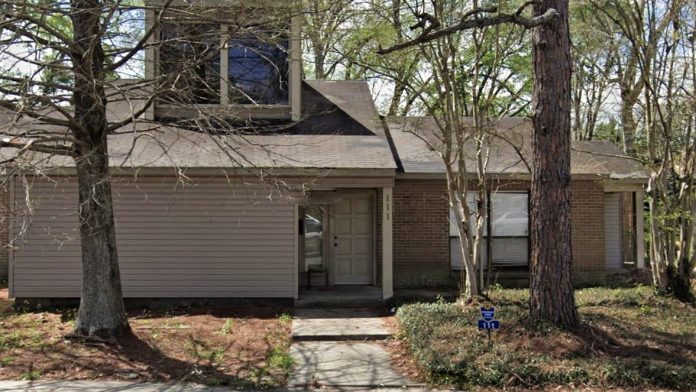
Alliance House Drop-In Center in Baton Rouge, Louisiana, assists those with mental health challenges. They’ve been open for over 40 years as a branch of the Mental Health Association for Greater Baton Rouge.
Baton Rouge is the capital of Louisiana and blends Creole and Cajun culture, featuring the nation's tallest state capital and multiple music festivals. Those in recovery can reconnect with their neighborhoods through local attractions and through Drop-In Center events.
Peer Run Mental Health Support Improved Stability and Socialization
We like that Alliance House hosts 200 clients each year who are experiencing various mental health issues. The program is run by past patients with chronic mental health diagnoses. Designated a peer run facility, the staff are responsible for the day-to-day operations and the house has an onsite supervisor.
Alliance House was created to support clients and advance their mental wellness, increasing stability and socialization as well as giving respite to their caregivers. It's good to know that while there is no structured substance use disorder treatment program, the house offers care and attention to those with mental health conditions and also in recovery.
Accessible Structured Daily Programming
I like their daily programming, including education, physical health, art classes, hygiene and nutrition. There was no charge for Alliance House and many of the individuals could come and go at will. This provided an alternative treatment and care option when costs for private care were prohibitive to families. The goal was to help clients remain as independent as possible.
Addiction Treatment Programs
Addiction treatment options in the Bayou State include a rehab adult program in Louisiana. Designed to serve Louisiana men and women over the age of 18, these programs employ a variety of treatment methods to help individuals achieve sobriety.
Alcohol rehab in Louisiana is the process of recovering from dinking problems through a combination of treatment methods. Most programs incorporate 12-step methods, individual and group counseling, and therapeutic activities.
While each drug rehab in Louisiana offers unique elements, recovery support often follows a similar pattern. Detox is followed by inpatient and/or outpatient care, then aftercare support is provided once the participant completes the initial program.
Treatment professionals at men’s rehab in Louisiana understand unique challenges men face while battling addiction. That’s why programs are available that target treatment for men at every level of care.
Women enrolled in gender-specific addiction programs have better outcomes than those in mixed-gender programs. That’s why women’s rehab in Louisiana provides treatment specifically for women, to meet their unique needs.
When individuals participate in a young adult program in Louisiana, they typically receive a variety of age-appropriate therapies. Common treatment methods include cognitive behavioral therapy, motivational interviewing, and 12-step groups.
Levels of Care
Residential or inpatient rehab in Louisiana is the most intensive level of care. It involves living at the rehab facility and receiving 24/7 supervised care. Treatment interventions usually include individual and group therapy, nutritional counseling, experiential therapies, and medication.
Participating in Louisiana aftercare rehab is one of the best ways to prevent relapse after completing a reahb program. Aftercare programs provide support, counseling, and guidance for weks up to a year or more to keep you on the recovery path.
When you have a mental health disorder, addiction treatment must look different than standard rehab. The program must address both your mental health and substance abuse disorders. Louisiana dual diagnosis treatment is designed to do just that.
Louisiana sober living gives you peer support in a structured living environment. Research has shown that this communal setting can provide the structure needed to improve recovery outcomes. You can live there as long as you need the support, until you have developed the skills to maintain sobriety in independent living.
Accreditations
Staff
Contact Information


 Sponsored
Rehabs.org regularly reviews this listing for accuracy but changes may occur between updates. For the most up-to-date information, please contact Alliance House Drop-In Center.