
Fountain Centers
1000 First Drive NW
Austin, MN 55912
 Sponsored
About Fountain Centers
The Mayo Clinic Health System operates several Fountain Centers in Minnesota, including this location in Austin. The Austin Fountain Center provides outpatient substance use treatment for adults and adolescents. They also have recovery support groups and transition services for those finishing the program.
The Mayo Clinic accepts multiple health insurance plans, including Medicare and Medicaid. They also have financial assistance for those who cannot afford care costs.
Outpatient Services in Austin Minnesota
Each individual gets a personalized treatment plan based on their specific needs. The Fountain Center uses evidence based counseling delivered to individuals, groups and families.
Therapy approaches include motivational enhancement and cognitive behavioral therapy. The center also uses 12 step principles as part of the program.
The program focuses on teaching relapse prevention skills, but I noticed they also have a specific track for those who have relapsed. This can be very helpful because recovery is often not a linear journey — there are ups and downs, and the Fountain Center recognizes that and provides support.
If you need more intensive treatment, the Austin center can refer you to the residential Fountain Center program in Albert Lea, which is around 30 minutes away from Austin.
Adolescent Care and Transition Services
Another thing that stands out to me is that the center provides outpatient treatment services to adolescents. Finding treatment for those under 18 can be challenging, but the Mayo Clinic delivers youth treatment alongside adult care.
When you’ve finished the treatment program, the staff makes transition services available to you. This may mean connecting you to support for housing and employment, peer support groups and other community resources. The goal is that you have the support you need to maintain long term sobriety.
Amenities
Private drug rehab provides a comfortable, secure environment that allows you to focus on doing the work to get your life back on track. Benefits include a higher staff-to-client ratio, increased one-on-one time with therapists and healthcare providers, private rooms for clients, and customized forms of therapy.
Residential drug rehab provides the comforts of home with the therapeutic support needed to successfully recover. Benefits of an inpatient program include increased safety, a higher success rate, and the time and distance given to focus on recovery. Residential drug rehabs are often the preferred method of treatment, as they can be tailored to meet specific needs, offer focused therapeutic care, and provide the necessary tools to sustain recovery.
Addiction Treatment Programs
Recovery is not the same for young adults as it is for older individuals. A young adult program in Minnesota treats the patient as a whole, addressing unique life-stage challenges, dual diagnosis issues, and substance abuse.
When an individual struggles with drug and alcohol use, an adult program in Minnesota can provide treatment and mental health support. Designed for men and women over the age of 18, these programs help individuals obtain and maintain sobriety.
The goal of alcohol rehab in Minnesota is to help you make mental and behavioral changes that lead to recovery and long-term sobriety. Most methods rely on a combination of group and individual counseling to accomplish these goals.
Individuals who attend men’s rehab in Minnesota can expect to spend much of their days in therapy sessions. Therapy is focused on men only, and teaches men how to control urges and cravings and live a healthy, sober lifestyle.
During women’s rehab in Minnesota, women participate in evidence-based therapies to treat their substance use disorders. Therapy methods include individual, group, family, cognitive-behavioral, and dialectical behavior therapy.
After evaluating your needs and budget, staff at opioid rehab in Minnesota will help you determine the length of your treatment and its intensity level, to properly address your degree of opioid dependence. Most programs include detox, addiction therapy, specialized care, and aftercare support.
Cognitive behavioral therapy in Minnesota is based on rapid, action-focused treatment. This works well for 60 to 90-day rehab programs by providing participants with immediate and effective coping techniques.
Drug rehab in Minnesota often starts with assessment. Once needs are determined, the individual typically begins treatment with detox, then enters rehab, and finally receives aftercare once the program is complete. This continuum of care offers appropriate levels of support at each stage to help the individual achieve long-term recovery.
Levels of Care
Outpatient rehab in Minnesota provides a less restrictive environment than inpatient. You’ll live at home while attending just a few hours of counseling sessions per week and receive ongoing support through a program such as AA or NA. This will continue for as long as you need this level of accountability.
Detox in Minnesota involves 24/7 supervision by professionals who help you cleanse your body of all addictive substances. This process can take up to a week and may involve medication to ease withdrawal symptoms.
Intervention services can be a valuable tool for getting your loved one on the path to recovery. An intervention program can help you stage an intervention, develop a treatment plan, and navigate the admission process to drug rehab in Minnesota.
Accreditations
Contact Information


 Sponsored
Nearby Treatment Centers
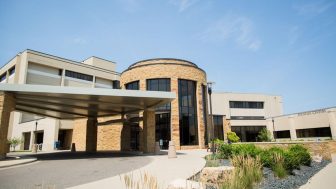
404 West Fountain Street
Albert Lea, MN 56007
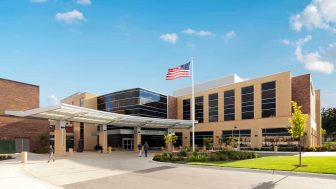
1000 1st Drive Northwest
Austin, MN 55912
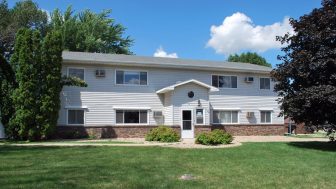
510 23rd Avenue Northwest
Austin, MN 55912

2480 County Hwy 45
Owatonna, MN 55060
