The Maris Center for Women
197 Elm St
Salisbury, MA 01952
 Sponsored
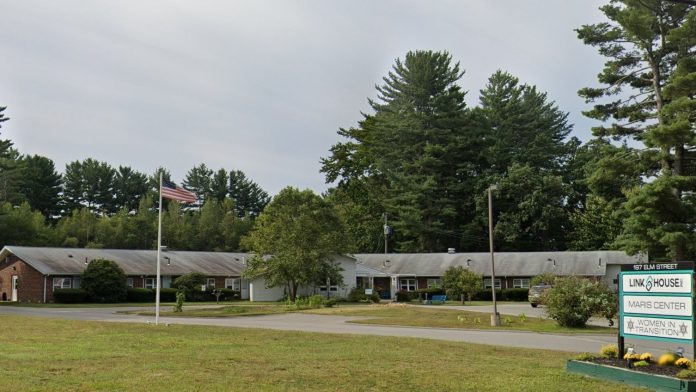
About The Maris Center for Women
The Maris Center for Women is conveniently situated at Elm Street near downtown Salisbury, just a short walk north of the Salisbury Historical Society Museum and about two miles west of Salisbury Beach State Reservation.
They are one of five centers operated by Link House, a trusted provider of residential treatment programs that has served the greater Newburyport community in Massachusetts since 1972. The program is partly state-funded, so you’ll only be responsible for a modest treatment fee. You’ll also be responsible for your meals while on-site.
Structured, 24/7 Support For Long-Term Success
At the Maris Center for Women, you’ll receive round-the-clock care from a compassionate team dedicated to your healing as you work toward recovery. While onsite, you’ll attend daily therapy sessions, peer support and self-help meetings to develop coping and relapse prevention strategies and strengthen your sober support network. You’re encouraged to fully integrate into the community through employment and community service including volunteering opportunities.
In addition to giving back to the community, this helps you build practical job-readiness skills, strengthen your sense of purpose and support long-term recovery. A variety of social and recreational activities are available to help you relax, unwind and enjoy your recovery journey. I like that you’ll have access to a case manager who will assist with MassHealth enrollment, securing stable post-treatment housing and accessing medical and therapeutic services.
Unique Amenities To Support Healing
The location is close to local stores and easily accessible by public transportation. They’re also about a 10-minute drive from Newburyport and Amesbury. The facility is modestly equipped for comfort, offering double-occupancy rooms alongside a shared kitchen, common living areas and on-site laundry.
I also noticed there’s also a shared restroom and an outdoor recreational area for relaxation and social connection. Residents take shared responsibility for keeping the facility clean and well-maintained. The program can accommodate up to 40 women at a time, with a minimum stay of three months and the option to extend up to two years.
Addiction Treatment Programs
Each adult program in Massachusetts is designed to help individuals over the age of 18 recover from addiction to drugs or alcohol. The length of the program and its intensity varies, based on the needs of the individual.
Most alcohol rehab in Massachusetts consists of individual counseling and group therapy sessions, which address mental and emotional concerns that are contributing to alcohol use. Treatment helps participants make changes to maintain sobriety and prevent relapse.
Addiction is a highly complex problem, and drug rehab in Massachusetts is often necessary to address it. These programs treat physical, mental, and relational issues that are involved. Treatment empowers individuals to manage these issues without the use of drugs.
When you enter opioid rehab in Massachusetts, you’ll receive treatment in a supportive environment that encourages recovery. After successful withdrawal management, you’ll participate in a variety of evidence-based therapies that prepare you for long-term sobriety.
Elderly rehab in Massachusetts addresses both addiction issues and common challenges faced by older adults. By dealing with grief, loss, social isolation, and financial uncertainty, participants are given tools to overcome addiction later in life.
Women who are seeking treatment for substance use disorders can receive various levels of care at women’s rehab in Massachusetts. Programs include detox, partial hospitalization programs (PHP), intensive outpatient programs (IOP), telehealth programs, sober living, outpatient, and aftercare.
Levels of Care
As the most intensive treatment setting, inpatient drug rehab in Massachusetts treatment involves 24/7 supervised care. At this level of care, you typically participate in individual, group, and family therapy sessions, and you may receive medication and additional recreational therapies.
In Massachusetts sober living, you will take on more responsibility than rehab treatment requires. You’ll pay rent and work or attend school. You’ll also contribute to household chores. The goal is to learn how to live independently, free from drugs and alcohol.
Contact Information


 Sponsored