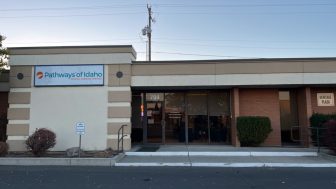
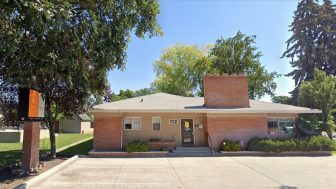
Mana Wellness Resources
123 N Yale St
Nampa, ID 83651
 Sponsored
About Mana Wellness Resources
Mana Wellness Resources of Nampa, Idaho provides outpatient care to those with co-occurring mental health and substance use disorders. They accept Medicaid, Medicare, and offer a sliding fee scale to those who qualify. No one will be turned away due to an inability to pay. Clinicians at the facility emphasize “Aloha and Mana” (loving compassion and inner power) in their practice philosophies.
Culturally Mindful Care
Services are designed for adults and adolescents, with a focus on Native Hawaiian and Pacific Islander communities. They are welcoming to diverse backgrounds, practicing culturally mindful care. I appreciate that members of the LGBTQ+ community are specifically made to feel included.
Evidence Based and Culturally Rooted Treatment
They take a holistic approach to treatment, offering individual, group, family, and couples counseling as part of their intensive outpatient program (IOP). Evidence based modalities focus on trauma, addiction, recovery, and empowerment.
They also provide recovery coaching, care coordination, case management and medication management. Other services include wellness workshops, peacekeeping circles, and “Talk Story” groups, a culturally rooted sharing circle model.
Cultural Safety and Inclusivity
I found positive reviews of the facility, with former clients highlighting the experienced, caring, and empowering staff. They speak of a strong sense of cultural safety and inclusivity. Many cite growth, progress, and personal empowerment as treatment outcomes.
Outdoor Recreation in Nampa
Nampa is home to an abundance of outdoor and green spaces that may supplement your outpatient therapy. Lake Lowell is a reservoir and key breeding area for local mammals and birds, and is surrounded by the Deer Flat National Wildlife Refuge.
There are plenty of opportunities for swimming, boating, hiking, fishing, and hunting. Lakeview Park is the oldest park in Nampa, spanning 44 acres and featuring a rose garden, a duck pond, a pool, volleyball and basketball courts, baseball and soccer fields, and an amphitheater. Wilson Springs Pond is a chain of ponds covering 55 acres, ideal for fishing or taking a relaxing walk through nature.
Amenities
Art and music are mediums that connect with our feelings, making them a great recovery tool during addiction treatment. Studies show that combining art/music and drug rehab can have a greater therapeutic impact than drug rehab alone, as you’re able to access parts of your brain and body that you may not have access to during traditional talk therapy. Benefits of art/music therapy include lowering stress and anxiety, promoting healthy neurochemicals, and providing stress relief.
Private drug rehab provides a comfortable, secure environment that allows you to focus on doing the work to get your life back on track. Benefits include a higher staff-to-client ratio, increased one-on-one time with therapists and healthcare providers, private rooms for clients, and customized forms of therapy.
Residential drug rehab provides the comforts of home with the therapeutic support needed to successfully recover. Benefits of an inpatient program include increased safety, a higher success rate, and the time and distance given to focus on recovery. Residential drug rehabs are often the preferred method of treatment, as they can be tailored to meet specific needs, offer focused therapeutic care, and provide the necessary tools to sustain recovery.
In order to maintain a sense of autonomy, many private rehab facilities offer clients the ability to choose their own private rooms. The privacy and personal space ensure that the recovery process is as comfortable as possible.
Addiction Treatment Programs
A young adult program in Idaho helps individuals develop healthy coping skills. Treatment addresses the challenges faced at this stage of life and gives participants the recovery tools they need to navigate through it successfully.
When individuals enter an adult program in Idaho, they receive professional treatment for substance use disorder. The focus of the program is to help the individual break free from addiction and learn how to maintain a sober lifestyle.
During men’s rehab in Idaho, all treatment sessions are conducted with same-gender individuals. This encourages greater participation and openness among the men. Therapies typically include both individual and group sessions.
Women need different types of treatment approaches for addiction than men. Women’s rehab in Idaho offers gender-specific treatment, so women can achieve successful recovery.
Cognitive behavioral therapy in Idaho helps individuals overcome addiction by giving them self-help tools to improve their moods, teaching them communication skills, and helping them release insecurities that lead to substance use.
Rational emotive behavioral therapy in Idaho is effective for substance abuse treatment because it targets negative behaviors, enhances support mechanisms, and treats emotional problems associated with addiction. It is a common treatment for substance use disorders and co-occurring mental health issues.
EMDR Therapy is a neurobiological treatment modality used to address trauma disorders and related mental and behavioral health challenges. Short for eye movement desensitization and reprocessing, EMDR is designed to help clients cope with distressing memories and emotions, including fear, sadness, and anger. EMDR may help clients in addiction recovery manage the psychological and emotional triggers that contribute to substance misuse and/or addiction relapse.
Alcohol rehab in Idaho typically includes medical detox, psychotherapy, and medication. Programs can be short or long-term, but longer treatment typically provides better outcomes.
Drug rehab in Idaho provides treatment for addiction to drugs. It usually includes a combination of treatment methods that involve counseling, medication, and a variety of evidence-based therapies. These are designed to help individuals manage their substance use disorder long-term.
For seniors, elderly rehab in Idaho can provide a supportive environment that is sensitive to senior’s needs. This specialized treatment, among supportive peers, can help produce positive recovery outcomes.
Levels of Care
Inpatient rehab in Idaho iis the most intensive treatment setting, Clients reside at the treatment facility and engage in various therapeutic sessions throughout the day, including recovery-focused life skills training. Many programs also offer evidence-based complementary therapies, such as meditation management.
Outpatient rehab in Idaho involves attending one-on-one counseling sessions several times per week, as well as support group meetings. You’ll live at home during this treatment, and work on relapse prevention. The timeline for this treatment varies by individual, based on your recovery needs.
If a mental health disorder such as anxiety or depression is co-occurring with substance abuse, you are more likely to relapse or self-medicate. Idaho dual diagnosis treatment provides the resources you need to treat both conditions and improve recovery outcomes.
You don’t have to know everything about interventions to help your loved one. Staff members who provide intervention services in Idaho help family members during the planning and execution stages of an intervention. They can also help you effectively encourage an addicted loved one to embrace recovery.
When entering partial hospitalization programs (PHPs) in Idaho, you'll find they are best suited for those who don’t need emergency intervention or continuous medical supervision to treat an addiction. This form of outpatient rehab allows you to participate in treatment activities during the day, then return home at night.
Sober living in Idaho is for those who are in recovery and could use a structured environment to maintain sobriety. Many people live in this type of residential setting for several months after first achieving sobriety. The structure and peer support provide stability and encouragement as you learn to live a sober lifestyle.
Contact Information


 Sponsored