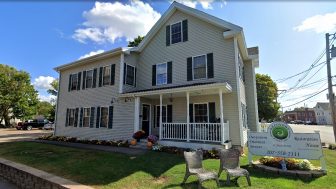
MaineHealth Behavioral Health Outpatient Services – Springvale
474 Main Street
Springvale, ME 04083
 Sponsored
About MaineHealth Behavioral Health Outpatient Services – Springvale
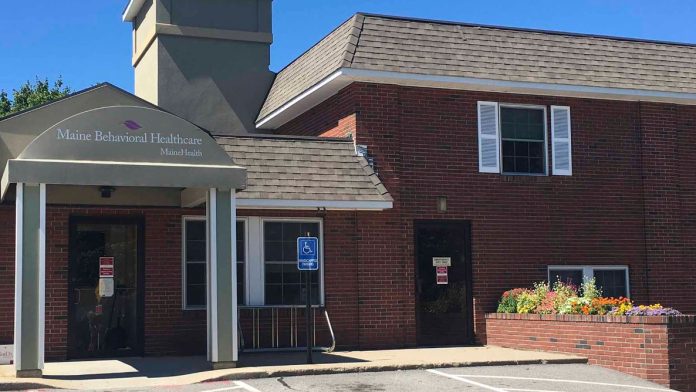
MaineHealth Behavioral Health is formerly known as Maine Behavioral Health and has several facilities around Maine, from which they provide a number of behavioral health services, including treatments for addictions. This particular outpatient clinic can be found in central Springvale and serves as a location through which children, adolescents and adults can access substance use treatments, mental healthcare and several social services that can meet critical needs for those in recovery.
A Versatile Care Team
The team at the Springvale clinic includes several highly trained and qualified professionals, including physicians and psychiatrists. I saw that they’re capable of helping individuals facing a variety of unique difficulties, such as developmental disorders, psychiatric disorders, and other mental health conditions that one may experience alongside a drug or alcohol dependency.
I like this in a treatment facility because it allows them to tailor the treatment and attention you receive to meet needs that may feel too obscure to be helped. Care like this not only gives you a much greater chance for success, but it also makes you feel seen during your time spent with them.
Helping You Find Your Feet
Sometimes, personalized care is far more practical than “medical” in nature. For example, it’s more difficult to respond well to treatment if you need to find transport or are on the brink of homelessness. For this reason, they can also help clients access supportive housing and similar supports with their case management services.
Addiction Treatment Programs
A rehab adult program in Maine is designed for men and women ages 18 and older who are seeking help with addiction to drugs or alcohol. Programs vary, but many offer both inpatient and outpatient rehab and incorporate both individual and group therapy methods in treatment.
Cognitive behavioral therapy in Maine involves specific exercises that help individuals overcome addiction. Techniques include thought records, behavioral experiments, imagery-based exposure, and pleasant activity schedules.
The challenges men face when battling addiction are often different than women. That’s why men’s rehab in Maine is designed to distinctly treat men and their unique needs.
Seniors who are struggling with addiction can find a recovery haven at elderly rehab in Maine. These programs provide a safe space among peers where seniors are comfortable sharing and participating more, which generates better recovery outcomes.
Women’s rehab in Maine allows women in treatment to feel more comfortable and safer during treatment and achieve better recovery outcomes. This is due to the gender-specific treatment they receive and the peer connections they can form during treatment.
Adolescence is a time of unique social pressures and challenges. A young adult program in Maine addresses the recovery needs of individuals in this stage of life and gives them the tools they need to navigate it successfully.
Levels of Care
For those who have successfully completed inpatient treatment, an outpatient rehab in Maine is often the next step. This treatment offers accountability and continued support, while you live at home and return to other responsibilities such as work and family. Outpatient rehab may last for a few weeks, months, or years, depending on your recovery needs.
Dual diagnosis treatment in Maine actively treats co-occurring mental health disorders, such as bipolar disorder, anxiety, or depression, as well as addiction. Common methods include medication management, behavior and cognitive therapies, and counseling.
Contact Information


 Sponsored