Lumpkin House Transitional Housing
524 West 121st Street
Los Angeles, CA 90044
 Sponsored
About Lumpkin House Transitional Housing
Lumpkin Transitional Housing is a residential Recovery Bridge Housing and Sober Living facility for women in downtown Los Angeles, California. It’s part of the Watts Healthcare network.
The Lumpkin facility is located near various parks such as Helen Keller Park, Athens Park, and Magic Johnson Park. It’s within a smaller community outside of West Athens, just off the 105 and 110 interstates in Los Angeles.
A Recovery Home with Ample Outdoor Space
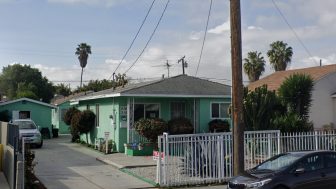
This transitional home is designed to be a long term sober living facility with various programs and counseling to care for those individuals able to stay there. This is a residential home which has 3 bedrooms and 2 baths, with a larger open backyard with potential for recreational activities for residents. I like that this is an option and that residents have plenty of space to enjoy some fresh air.
Women and Children Welcomed
I’m impressed to see that Lumpkin Housing offers women and their children a place to stay after mothers have gone through inpatient substance abuse treatment. They focus on aftercare and sobriety, allowing mothers and children to integrate into society while emphasizing recovery and life skills. The larger backyard is helpful for women and children who need a place to play, meditate, and find peace.
They do not offer special detoxification programs like medically assisted treatments, as the program is strictly aftercare, so this would be a suitable option if you don’t need detox or have already completed it.
Amenities
Private drug rehab provides a comfortable, secure environment that allows you to focus on doing the work to get your life back on track. Benefits include a higher staff-to-client ratio, increased one-on-one time with therapists and healthcare providers, private rooms for clients, and customized forms of therapy.
Residential drug rehab provides the comforts of home with the therapeutic support needed to successfully recover. Benefits of an inpatient program include increased safety, a higher success rate, and the time and distance given to focus on recovery. Residential drug rehabs are often the preferred method of treatment, as they can be tailored to meet specific needs, offer focused therapeutic care, and provide the necessary tools to sustain recovery.
Addiction Treatment Programs
An adult program in California uses various therapeutic methods to treat a person who is dependent on an addictive substance. Individuals aged 18 and older are eligible for treatment, which focuses on breaking the cycle of addiction and learning how to maintain sober living.
Alcohol rehab in California provides professional treatment to guide participants through each step of recovery. Programs offer a support system to walk you through challenges and celebrate victories with you, from detox to long-term sobriety.
Drug rehab in California teaches participants constructive ways to stay clean and sober. Treatment revolves around helping individuals stop using the substance they are addicted to and learn healthy habits to avoid relapse.
For those who are struggling with opioid use disorder, help is available at opioid rehab in California. This complex addiction can be treated through a combination of evidence-based therapies and medication assisted treatment.
Women’s rehab in California provides a safe environment where women can work through addiction challenges surrounded by their gender peers. This often creates an environment that is more conducive to recovery.
Typically, a young adult program in California can guide individuals from detox, through initial treatment, and extends to aftercare. Treatment gives young adults what they need to reset their lives and move to the next stage of life free from addiction.
Levels of Care
Unlike outpatient drug rehab, clients receiving inpatient rehab in California reside at the facility for the duration of the program. The length of stay may range from two weeks to 18 months or more, depending on the client's needs and the program’s design.
Community support and relationship-building are key elements of aftercare rehab in California. You’ll receive recovery coaching, social support, and mentors to help you maintain sobriety after completing initial rehab treatment. This support will continue as long as you need it, which could be weeks or more than a year.
California sober living has been shown to reduce relapse and improve recovery. These programs offer highly-structured living environments for those who desire to remain sober. House rules usually include abstinence from substances, participation in 12-step meetings, and contribution to household responsibilities.
Intervention services in California provide the support you need to encourage a loved one to make wise recovery decisions. Professionals will help you work with your loved one to develop an intervention plan and get him or her started on their recovery journey.
Contact Information


524 West 121st Street
Los Angeles, CA 90044
Sponsored