Lowell Comprehensive Treatment Center
 Sponsored
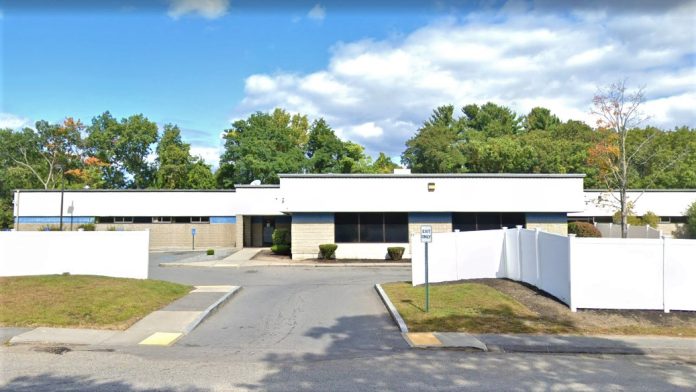
About Lowell Comprehensive Treatment Center
Lowell Comprehensive Treatment Center is an outpatient opioid addiction clinic in Lowell, Massachusetts serving adults 18 and older of all genders.
The program specializes in medication assisted treatment for opioid use disorder, supporting people struggling with heroin, fentanyl, prescription painkillers and other opioids.
As part of the Comprehensive Treatment Centers network, the clinic uses a multidisciplinary, whole person model that pairs medication with counseling to help you reclaim daily life from addiction.
Medication Assisted Treatment
The clinic's core focus is outpatient MAT delivered by a team of doctors, nurses and counselors.
Several medication options are available in one location including methadone, Suboxone, buprenorphine and Vivitrol maintenance, paired with individual and group counseling.
Care begins with a detailed assessment covering your medical history and symptoms to build a personalized treatment plan.
Dosing and plans are adjusted throughout recovery, and counseling helps address underlying issues, coping skills and chronic relapse.
I want to point out that clients describe the clinic as giving them a second chance at life.
Whole Person Recovery
Beyond medication, the program emphasizes counseling as an essential part of lasting recovery.
Individual and group therapy sessions build coping strategies and support long term stability, while features like same day admission and take home dosing help you stay engaged without stepping away from daily responsibilities.
Next Steps
This in person clinic serves Lowell and surrounding Middlesex and Essex County communities including Billerica, Chelmsford and Dracut, Tewksbury and Tyngsborough, via U.S. Route 3.
The center accepts commercial insurance, Medicaid and Medicare, state funded plans and self pay with insurance verification available during scheduling.
Amenities
Yoga and meditation are great activities to support your recovery process during alcohol or drug rehab. These therapies have been around for centuries, and they are an effective way to improve well-being. Combining addiction treatment, yoga, and meditation can reduce cravings, improve sleep, relieve anxiety and depression, provide stress relief, promote relaxation, support emotional healing, and improve energy levels.
Private drug rehab provides a comfortable, secure environment that allows you to focus on doing the work to get your life back on track. Benefits include a higher staff-to-client ratio, increased one-on-one time with therapists and healthcare providers, private rooms for clients, and customized forms of therapy.
Recreational therapy uniquely combines therapeutic interventions with an activity, like horse-riding, hiking, wilderness therapy, basketball, tennis, or a full workout. Benefits of recreational therapy include providing a healthy way to work through the emotions of recovery, learning to build and maintain relationships, improving communication skills, and building self-esteem.
Residential drug rehab provides the comforts of home with the therapeutic support needed to successfully recover. Benefits of an inpatient program include increased safety, a higher success rate, and the time and distance given to focus on recovery. Residential drug rehabs are often the preferred method of treatment, as they can be tailored to meet specific needs, offer focused therapeutic care, and provide the necessary tools to sustain recovery.
Addiction Treatment Programs
Teen and young adult substance abuse can set individuals on a life-long path of destruction. A young adult program in Massachusetts can intervene in young adults’ lives to set them on a better path during this crucial stage of life.
Each adult program in Massachusetts is designed to help individuals over the age of 18 recover from addiction to drugs or alcohol. The length of the program and its intensity varies, based on the needs of the individual.
Most alcohol rehab in Massachusetts consists of individual counseling and group therapy sessions, which address mental and emotional concerns that are contributing to alcohol use. Treatment helps participants make changes to maintain sobriety and prevent relapse.
For men who want to stop drinking or using drugs, men’s rehab in Massachusetts offers help and hope. These treatment programs, designed specifically for men, help participants recover and rebuild their lives.
Women who are seeking treatment for substance use disorders can receive various levels of care at women’s rehab in Massachusetts. Programs include detox, partial hospitalization programs (PHP), intensive outpatient programs (IOP), telehealth programs, sober living, outpatient, and aftercare.
When you enter opioid rehab in Massachusetts, you’ll receive treatment in a supportive environment that encourages recovery. After successful withdrawal management, you’ll participate in a variety of evidence-based therapies that prepare you for long-term sobriety.
Addiction is a highly complex problem, and drug rehab in Massachusetts is often necessary to address it. These programs treat physical, mental, and relational issues that are involved. Treatment empowers individuals to manage these issues without the use of drugs.
Levels of Care
The first step to a drug-free future is detox. This involves slowly and safely ridding your body of all addictive substances, under 24/7 supervision. This is typically the initial phase of drug rehab in Massachusetts.
Massachusetts outpatient rehab does not have a defined timeline. The program is tailored to meet your recovery needs, and may last 90 days or a year or more. During this time, you will attend therapy sessions and support group meetings, for ongoing accountability and development of sober-living skills.
Aftercare rehab in Massachusetts gives you continued access to support after rehab. You may need assistance with job coaching, budgeting, education, or accountability as you re-enter your life. Aftercare programs provide these supports, so you can face challenges and maintain a sober lifestyle long-term.
If you meet the diagnostic criteria for two or more conditions, you have a dual diagnosis. Massachusetts dual diagnosis treatment is designed to address both conditions simultaneously, for improved recovery outcomes.
Accreditations
Accepted Insurance


Contact Information


 Sponsored
Natalie is a recent graduate of Purdue University, where she studied psychology and creative writing. Every morning, she’s fueled by a cup of tea and her passion for making sure mental health resources are accessible to everyone. In her spare time, she loves writing poetry by her window, where she can watch the sunrise.
Rehabs.org regularly reviews this listing for accuracy but changes may occur between updates. For the most up-to-date information, please contact Lowell Comprehensive Treatment Center.