
Little Creek Recovery
359 Easton Turnpike
Lake Ariel, PA 18436
 Sponsored
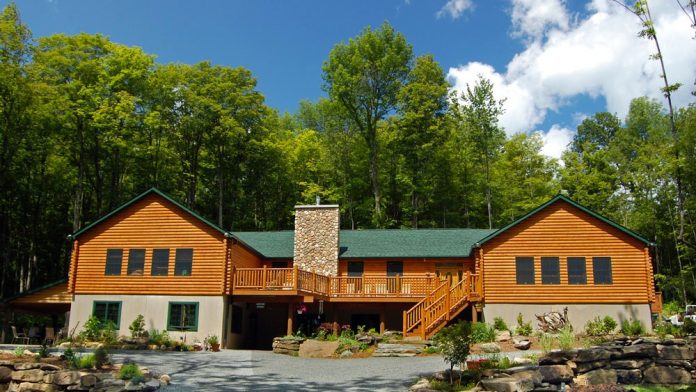
About Little Creek Recovery
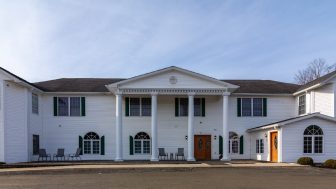
Located in Ariel, Pennsylvania, Little Creek Recovery is a drug and alcohol addiction treatment center providing a full continuum of care to adults with substance use disorders and co-occurring mental health diagnoses. This facility offers medical detox, inpatient, partial hospitalization, outpatient, intensive outpatient programs, extended care, sober living, and aftercare.
Little Creek Recovery has a three stage clinical program which is delivered by licensed clinical staff. Programs are for a minimum of 30 days and have flexible stays up to 90 days. Designed to facilitate a healthy sober lifestyle, their program incorporates a comprehensive assessment and individualized treatment plan, individual counseling, group therapy, cognitive behavioral therapy (CBT), family education and support, psychoeducation, 12 step recovery, and relapse prevention training. Before completion, each participant engages in a comprehensive aftercare plan designed to help them smoothly transition back into their community or a sober living facility. Amenities include private and semi private bedrooms with private baths, fitness facilities, recreational programming, flatscreen TVs, a music room, and transportation.
Accredited by the National Association of Addiction Treatment Providers and state licensed. Commercial insurance and self pay are accepted. Payment plans may be available.
Amenities
Hiking is a great way to relieve stress, get perspective, navigate challenges, connect with nature, and improve your health - all essential components of sustaining long-term recovery. Studies also show that the body releases endorphins during physical activities like hiking. These endorphins improve mood and act as a natural pain reliever.
Treatment centers with a yoga studio offer a special form of holistic therapy during the recovery process. Yoga boosts mindfulness, a sense of calm, and healthy reflection during drug rehab via breathing exercises, stretching, and a progression of specific postures.
When paired with cognitive-behavioral therapy, exercise can be an effective tool for overcoming addiction. Drug rehabs with a gym offer clients healthy ways to increase energy levels, balance the body’s stress hormone levels, and aid in the brain’s healing process.
Music can be extremely therapeutic, serving as a valuable healing tool and an integrative feature of a holistic treatment plan. A music room offers a large number of outlets, including singing, playing musical instruments, and listening to music.
When used as part of an evidence-based treatment plan, basketball can boost physical and mental health, lead to sharper thinking, and facilitate improved self-esteem. Drug rehabs with a basketball court also place a focus on teamwork and cooperation.
Recreational therapy uniquely combines therapeutic interventions with an activity, like horse-riding, hiking, wilderness therapy, basketball, tennis, or a full workout. Benefits of recreational therapy include providing a healthy way to work through the emotions of recovery, learning to build and maintain relationships, improving communication skills, and building self-esteem.
Addiction Treatment Programs
Men’s rehab in Pennsylvania can help men receive support from other men who understand their challenges. This provides a sense of camaraderie that relieves feelings of isolation.
Opioid rehab in Pennsylvania often includes medication assisted treatment, which helps alleviate withdrawal. This treatment is combined with other therapies that give you skills to navigate addiction and achieve long-term recovery.
Cognitive behavioral therapy in Pennsylvania helps participants identify inaccurate thinking and learned patterns of negative behavior and how to change them. It gives participants the skills to relieve their symptoms without turning to substances.
Sound & Music Therapy are complementary treatment modalities frequently used in addiction recovery to support clients’ physical, mental, and emotional wellbeing through the use of auditory stimuli, from nature sounds and Tibetan singing bowls to drum circles and rhythmic melodies. The treatment is believed to reduce symptoms of anxiety and depression and may offer relief for those experiencing chronic pain, which can decrease clients’ risk of addiction relapse.
Levels of Care
While undergoing outpatient treatment in Pennsylvania, you’ll work through challenges such as cravings, social skills, and relapse prevention as you meet with a recovery expert and attend 12-step meetings. This treatment may last a few weeks or several months, depending on your recovery needs.
Partial hospitalization programs (PHPs) in Pennsylvania typically provide addiction treatment five days a week for several hours each day. During sessions, staff emphasize the importance of maintaining sobriety and complying with your individual recovery program.
Mental illness and substance abuse are so integrated that they must be treated together. Ignoring one and treating the other doesn’t work. Dual diagnosis treatment in Pennsylvania effectively addresses both mental health and substance abuse disorders, for the best outcomes.
An average stay at a Pennsylvania sober living home is designed to decrease your chances of relapsing. While there, you’ll work on strengthening your recovery skills and prepare to live on your own. You’ll attend 12-step meetings, work or go to school, and follow a structured schedule that provides stability and accountability.
Accreditations
Accepted Insurance


Contact Information


 Sponsored
Nearby Treatment Centers
1800 Mulberry St
Scranton, PA 18510

118 Monohan Avenue
Dunmore, PA 18512
1547 Millcreek Road
Newfoundland, PA 18445
50 Industrial Park Rd
Lake Ariel, PA 18436
