Life Changes Winston Salem
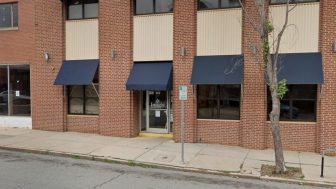
928 Burke Street
Winston Salem, NC 27101
 Sponsored

About Life Changes Winston Salem
Life Changes in Winston Salem, North Carolina provides drug rehab services to adults aged 18 and older. They also serve professionals and employees through EAP services.
State financed insurance plans like Medicare and Medicaid are accepted, along with military and private plans and self pay. They have a sliding fee scale so if you’re uninsured, your costs will be based on what’s affordable with your income.
Outpatient Drug Detox and Addiction Treatment Services
Benefit from structured support for your addiction, along with dedicated professional help throughout the detox process. This treatment center has outpatient counseling so they’re a fit for people whose addiction is mild to moderate or people who have already completed inpatient rehab.
Drug Rehab Services for Professionals
Specialized programming aims to help employees who are struggling with substance abuse in a way that addresses their job performance, financial woes, and personal issues. This typically involves testing services, comprehensive treatment and education services, and aftercare for long term and sustainable results.
Traditional EAP standards are emphasized here by personal interactions, with the knowledge that employees value direct communication as a show that their company cares about their wellbeing and mental health.
I was glad to see that aftercare services here include career counseling to help individuals get back on their feet professionally post-recovery. They also help with referrals to community programs and can help you find support groups like Alcoholics Anonymous.
DWI Programs in Winston Salem
Individuals with DWIs can also access support through assessment and personalized treatment planning. This specialized care can facilitate the process of getting your license reinstated while also providing you with guidance throughout the journey.
As for the local area, program participants can enjoy various attractions while in recovery here, including the Old Salem Museums and Gardens, the Reynolda House Museum of American Art, and the Stevens Center to name a few.
These nearby attractions provide cultural enrichment and serene environments that may support healing and be integrated into outpatient recovery programs.
Amenities
Private drug rehab provides a comfortable, secure environment that allows you to focus on doing the work to get your life back on track. Benefits include a higher staff-to-client ratio, increased one-on-one time with therapists and healthcare providers, private rooms for clients, and customized forms of therapy.
Addiction Treatment Programs
When individuals participate in a young adult program in North Carolina, they feel more at ease in a setting that is age-appropriate. Activities, therapies, and aesthetics are all tailored for this age group, so participants can feel comfortable and are more likely to complete the program.
An adult program in North Carolina typically combines individual and group counseling, medical treatment, and various other therapies to treat substance use disorders. Treatment can take place in an inpatient or outpatient setting.
Alcohol rehab in North Carolina is a course of treatments that helps participants overcome alcohol dependency. Treatments address physical, mental, and emotional aspects of substance use disorder and help the individual develop healthy habits for long-term recovery.
Men’s rehab in North Carolina offers customized treatment for men. These programs provide personalized treatment that is designed with the unique needs of men in mind.
Women’s rehab in North Carolina allows women to receive gender-specific treatment tailored to their needs. Programs are available for alcohol, heroin, prescription drugs, benzos, and any other addictive substances, as well as co-occurring disorders.
To overcome opioid addiction, attend opioid rehab in North Carolina. Treatment takes place in inpatient or outpatient care, using a variety of therapies, medications, and other helpful interventions. Length of treatment caries, typically lasting 30, 60, or 90 days.
Many therapists use cognitive behavioral therapy in North Carolina to treat substance use disorders. This goal-oriented method addresses maladaptive thinking and related beliefs that affect behaviors and can lead to addiction.
There are many types of drug rehab in North Carolina. To receive treatment for addiction, you can choose from many inpatient and outpatient programs. Often, participants start with detox and work through a full continuum of care that continues with ongoing support for long-term recovery.
Women’s rehab in North Carolina allows women to receive gender-specific treatment tailored to their needs. Programs are available for alcohol, heroin, prescription drugs, benzos, and any other addictive substances, as well as co-occurring disorders.
The goal of rational emotive behavioral therapy in North Carolina is to help you develop healthy emotional, behavioral, and cognitive patterns so you can increase your quality of life and achieve sobriety goals. This is accomplished by increasing healthy, rational beliefs.
Levels of Care
Outpatient rehab in North Carolina is often the next step for those who complete an inpatient program. This less restrictive treatment involves several hours of therapy per week, and accountability through 12-step meetings such as AA. You’ll continue this treatment as long as needed, which could be weeks, months, or years.
Some of the most common co-occurring mental health disorders include anxiety, depression, and eating disorders. When these are present alongside substance use disorder, dual diagnosis treatment in North Carolina is necessary to address both conditions.
Nearly all drug rehabs in North Carolina begin with a detox program. When this process is complete, all addictive substances will be purged from your body. You can then move on to the next steps of drug rehab in North Carolina.
Recovery journeys often begin with intervention services in North Carolina. This treatment tool provides key support in planning and facilitating an effective intervention. Intervention specialists can also provide resources to develop treatment plans and guide families through the admission process.
Contact Information


 Sponsored