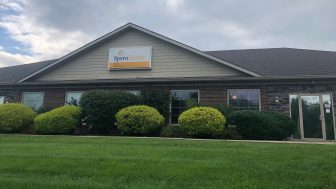
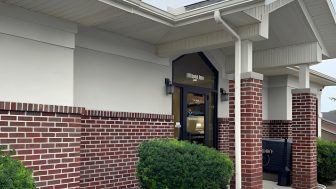
Liberty Ranch Rehabilitation Center
Closed: Please See Nearby Facilities
Kings Mountain, Kentucky
 Sponsored
About Liberty Ranch Rehabilitation Center
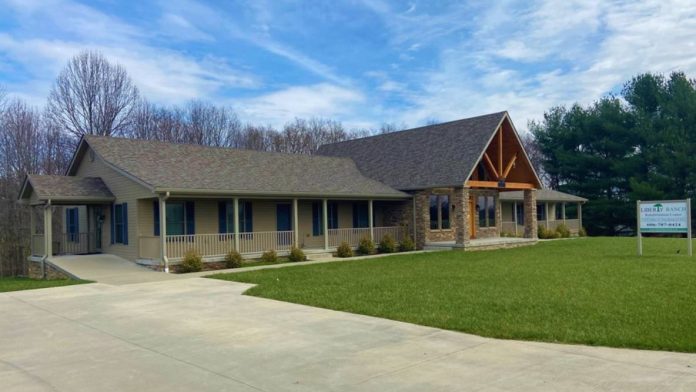
Liberty Ranch was an addiction treatment program rooted in the 12 Steps model of recovery. They’re now closed, but they were located on 70 acres of rural property in Kings Mountain, Kentucky. The program featured a special treatment track focused solely on women’s recovery needs.
Past client reviews are mixed. While many praised the setting and program structure, others alleged mistreatment and inadequate care.
Ranch settings aren’t uncommon in the world of substance abuse treatment, so if what this facility offered interests you, I encourage you to keep searching.
Making Use of Nature
This location, like many recovery ranches, made use of its natural surroundings as part of recovery. Outdoor group activities were common, with plenty of green spaces and walking trails for recreation and quiet reflection. Spending time in nature is a simple and effective way to find your center as part of a sobriety maintenance plan.
Building Life’s Skills
Everyone who comes to an addiction program has different mountains to climb, and providing comprehensive care means being able to address all of these needs. This location’s program offered plenty of support targeting different skills and life areas to help everyone get to a place of stability, regardless of where they were lacking. This includes things like vocational, communication, and social skills.
Finding Your Motivation
Deciding to enter a treatment program shows you want change, but sometimes simply wanting it isn’t enough. Without identifying a solid motivation to find and maintain sobriety, the risk of relapse after program completion remains high. I found that this program utilized motivational interviewing to help clients establish their short and long term goals to fuel their recovery.
Motivational interviewing is a form of conversational talk therapy. It tends to be a very casual conversation focused on what you want more so than your challenges (though those are discussed too). Those who feel overwhelmed in therapy or counseling may find it more welcoming and easier to participate in.
Amenities
Private drug rehab provides a comfortable, secure environment that allows you to focus on doing the work to get your life back on track. Benefits include a higher staff-to-client ratio, increased one-on-one time with therapists and healthcare providers, private rooms for clients, and customized forms of therapy.
Residential drug rehab provides the comforts of home with the therapeutic support needed to successfully recover. Benefits of an inpatient program include increased safety, a higher success rate, and the time and distance given to focus on recovery. Residential drug rehabs are often the preferred method of treatment, as they can be tailored to meet specific needs, offer focused therapeutic care, and provide the necessary tools to sustain recovery.
In order to maintain a sense of autonomy, many private rehab facilities offer clients the ability to choose their own private rooms. The privacy and personal space ensure that the recovery process is as comfortable as possible.
Addiction Treatment Programs
Adolescents and young adults who are struggling with addiction can get help at a young adult program in Kentucky. These programs offer specialized drug abuse treatment for individuals in their teens and 20s.
Recovery from addiction happens at an adult program in Kentucky. These treatment services provide the support needed to help men and women break the cycle of addiction and live a life free from substance dependence.
Alcohol rehab in Kentucky helps participants develop motivation to change, learn new coping skills, and achieve long-term sobriety. Treatment methods typically include individual and group therapy and 12-step support.
Men’s rehab in Kentucky often addresses both substance use disorders and co-occurring disorders. Men can seek treatment for drug or alcohol addiction as well as gender-specific treatment for depression, anxiety, bipolar disorder, PTSD, and ADHD.
Women’s rehab in Kentucky provides the opportunity for women to get support from their female peers. These connections can help women overcome challenges and achieve long-term recovery.
Drug rehab in Kentucky often starts with detox, then includes inpatient or outpatient treatment, and continues with aftercare support. Specific methods used during each of these phases varies, but often include individual and group counseling, medication, and recreational therapies.
Elderly rehab in Kentucky provides evidence-based care to treat addiction in seniors. Programs address the challenges of aging that often contribute to substance abuse among the elderly.
Women’s rehab in Kentucky provides the opportunity for women to get support from their female peers. These connections can help women overcome challenges and achieve long-term recovery.
Cognitive behavioral therapy in Kentucky is an effective treatment method for addiction. Individuals can practice techniques that are learned in therapy on their own, so they have the tools they need to avoid relapse and maintain sobriety.
Levels of Care
Kentucky outpatient rehab experts will assess your needs and create a treatment program tailored to your recovery. Treatment typically includes several hours of counseling each week as well as group therapy. You’ll probably also attend a support group such as NA or AA. Length of treatment varies based on your needs.
Kentucky dual diagnosis treatment centers focus on treating mental health disorders alongside addiction. Common methods include counseling, medication management, relapse prevention, and cognitive-behavior therapy.
Ongoing recovery requires ongoing treatment in the form of Kentucky aftercare rehab Once you complete an initial treatment program, aftercare provides long-term support to keep you on the recovery path. 12-step groups, occasional counseling, and personal life coaching may continue for several months or a year.
The goal of intervention services in Kentucky is to motivate your loved one to begin their journey toward recovery. These services can help you plan and facilitate an intervention, develop a treatment plan, and choose the best type of program for your loved one.