
Legacy Freedom Treatment Centers
3824 Barrett Dr
#310
Raleigh, NC 27609
 Sponsored
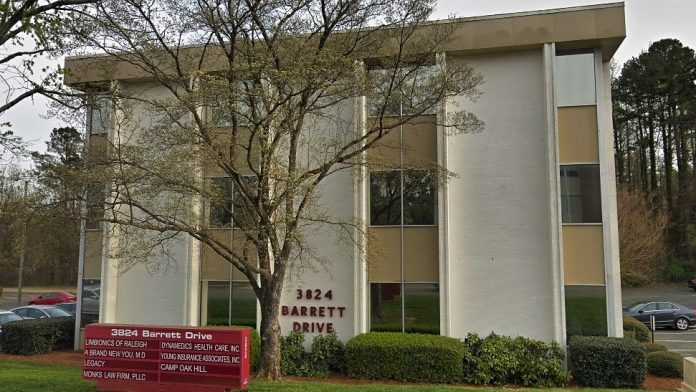
About Legacy Freedom Treatment Centers
Legacy Freedom Treatment Centers provides substance use services for adolescents and adults in Raleigh, North Carolina. They offer balance and structure to help guests overcome addiction and maintain a sober lifestyle. The centers also include aftercare services to help ensure guests maintain their sobriety.
Skills for Success
A feature I found that may help clients is Legacy’s emphasis on building skills for the future. The classes teach guests how to manage their symptoms and provide educational support for continued recovery. They also offer separate groups for men and women that focus on their unique needs and challenges they face with addiction issues.
Legacy Freedom Treatment Center’s nutrition therapy offers guidance on food choices that fuel recovery and add to overall health and wellness. Registered dieticians are available to help you with specific conditions and the proper nutrients necessary to stay healthy.
Fitness therapy incorporates activities for stress reduction, increased mental health, and exercises that help with energy levels. Additionally, legacy offers sound and music therapy to help address all aspects of healing, and some guests may even find breakthroughs they didn’t have in more traditional therapy sessions.
Flexibility and Structure
One of the interesting aspects of this facility I noticed is their focus on balancing flexible care with structure. The outpatient programs allow guests to fulfill work, family and school obligations and live at home while receiving treatment. This service may help those clients who have busy schedules still find assistance.
The outpatient program also allows guests to visit nearby areas that promote relaxation, which is helpful for recovery. The Roanoke Park Historic District has a community park with space for reflection and meditation.
Amenities
Acupuncture is one of the most popular luxurious and alternative therapies offered by rehabs. An acupuncture room provides benefits like pain reduction, improved sleep, a healthy immune system, and a decrease in anxiety.
Hiking is a great way to relieve stress, get perspective, navigate challenges, connect with nature, and improve your health - all essential components of sustaining long-term recovery. Studies also show that the body releases endorphins during physical activities like hiking. These endorphins improve mood and act as a natural pain reliever.
Yoga and meditation are great activities to support your recovery process during alcohol or drug rehab. These therapies have been around for centuries, and they are an effective way to improve well-being. Combining addiction treatment, yoga, and meditation can reduce cravings, improve sleep, relieve anxiety and depression, provide stress relief, promote relaxation, support emotional healing, and improve energy levels.
Private drug rehab provides a comfortable, secure environment that allows you to focus on doing the work to get your life back on track. Benefits include a higher staff-to-client ratio, increased one-on-one time with therapists and healthcare providers, private rooms for clients, and customized forms of therapy.
Addiction Treatment Programs
When individuals participate in a young adult program in North Carolina, they feel more at ease in a setting that is age-appropriate. Activities, therapies, and aesthetics are all tailored for this age group, so participants can feel comfortable and are more likely to complete the program.
An adult program in North Carolina typically combines individual and group counseling, medical treatment, and various other therapies to treat substance use disorders. Treatment can take place in an inpatient or outpatient setting.
Alcohol rehab in North Carolina is a course of treatments that helps participants overcome alcohol dependency. Treatments address physical, mental, and emotional aspects of substance use disorder and help the individual develop healthy habits for long-term recovery.
Men’s rehab in North Carolina offers customized treatment for men. These programs provide personalized treatment that is designed with the unique needs of men in mind.
Women’s rehab in North Carolina allows women to receive gender-specific treatment tailored to their needs. Programs are available for alcohol, heroin, prescription drugs, benzos, and any other addictive substances, as well as co-occurring disorders.
To overcome opioid addiction, attend opioid rehab in North Carolina. Treatment takes place in inpatient or outpatient care, using a variety of therapies, medications, and other helpful interventions. Length of treatment caries, typically lasting 30, 60, or 90 days.
EMDR Therapy is a neurobiological treatment modality used to address trauma disorders and related mental and behavioral health challenges. Short for eye movement desensitization and reprocessing, EMDR is designed to help clients cope with distressing memories and emotions, including fear, sadness, and anger. EMDR may help clients in addiction recovery manage the psychological and emotional triggers that contribute to substance misuse and/or addiction relapse.
Fitness therapy is an evidence-based complementary approach to addiction recovery and mental health care. Based on mounting scientific evidence of the benefits of physical activity in improving mood, enhancing clients’ sense of wellbeing, and decreasing depression and anxiety, fitness therapy encompasses a wide spectrum of intensities, from gentle yoga, qigong, and tai chi to weight training, kickboxing, and other highly physical activities.
Sound & Music Therapy are complementary treatment modalities frequently used in addiction recovery to support clients’ physical, mental, and emotional wellbeing through the use of auditory stimuli, from nature sounds and Tibetan singing bowls to drum circles and rhythmic melodies. The treatment is believed to reduce symptoms of anxiety and depression and may offer relief for those experiencing chronic pain, which can decrease clients’ risk of addiction relapse.
Levels of Care
Outpatient rehab in North Carolina is often the next step for those who complete an inpatient program. This less restrictive treatment involves several hours of therapy per week, and accountability through 12-step meetings such as AA. You’ll continue this treatment as long as needed, which could be weeks, months, or years.
Aftercare rehab in North Carolina is a crucial part of relapse prevention. It gives you access to resources that will help you manage stress and overcome life hurdles. Typical services include career coaching, financial guidance, and ongoing counseling and emotional support. These may continue for a few months or more than a year after initial rehab.
Some of the most common co-occurring mental health disorders include anxiety, depression, and eating disorders. When these are present alongside substance use disorder, dual diagnosis treatment in North Carolina is necessary to address both conditions.
Accepted Insurance



Nearby Treatment Centers

3810 Bland Rd
Raleigh, NC 27609
319 Chapanoke Rd
Suite 119
Raleigh, NC 27603
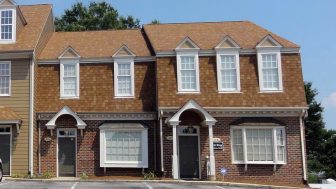
211 E Six Forks Rd
#117
Raleigh, NC 27609
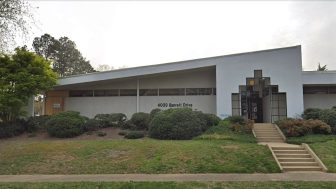
4009 Barrett Dr
Suite 100
Raleigh, NC 27609
