Lake County Health Department Outpatient Substance Abuse Program (SAP)
3004 Grand Avenue
Waukegan, IL 60085
 Sponsored
About Lake County Health Department Outpatient Substance Abuse Program (SAP)
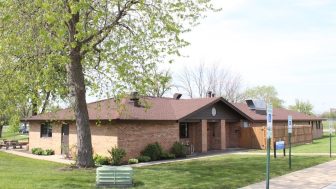
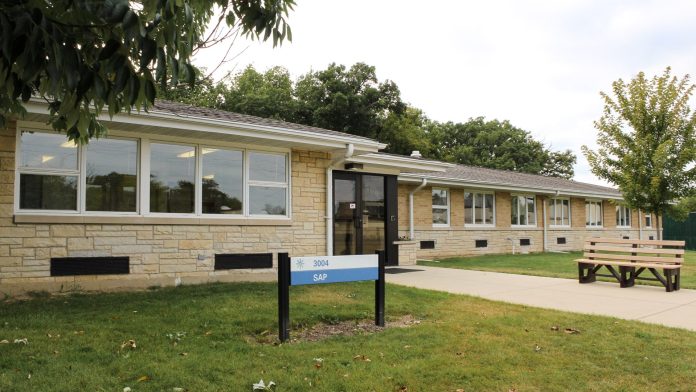
Lake County’s Substance Abuse Program (SAP) supports county residents over 18 facing substance use challenges including alcoholism and opiate addiction. SAP is located on West Grand Avenue in Waukegan, Illinois, just a short walk from Waukegan Municipal Beach and about a mile southeast of the Genesee Theatre.
SAP collaborates with and accepts referrals from criminal justice agencies, including courts, probation and the DCFS (Department of Children and Family Services). Opioid-dependent patients can receive dedicated support via structured opioid treatment programs involving methadone or a more flexible office based opioid treatment that uses buprenorphine-based medication and Vivitrol. Both are medication-assisted treatments (MAT) that can be complemented by structured intensive outpatient therapy (IOP) for long-term stability.
I find the fact that fees are based on income and the number of dependents to be helpful, as this ensures care remains accessible regardless of your financial situation. Lake County residents may qualify for a sliding fee schedule based on federal poverty guidelines.
Medication-Supported For Long-Term Stability
MAT is a research-backed technique that supports long-term stability by combining FDA-approved medication with behavioral therapies to treat the whole person. Through SAP, you may receive methadone, Vivitrol or buprenorphine-based medications like Suboxone, Subutex or Brixadi as part of your personalized recovery plan guided by a detailed intake assessment. These meds ease intense cravings, eliminate withdrawal symptoms and support long-term abstinence by minimizing relapse risk.
Through consistent therapeutic engagement, you’ll confront underlying emotional triggers and develop robust coping strategies to strengthen your relapse prevention. You can even opt for IOP if you’re seeking more structured support and greater accountability while maintaining your daily responsibilities. I like how this program enhances convenience through morning and afternoon sessions that fit your daily routine.
Helpful Harm Reduction Services
SAP also offers harm reduction services, including free naloxone kits and overdose education. This empowers individuals with life-saving tools and knowledge needed to reduce fatal overdoses and support safer recovery pathways. One client expressed in a review, “If you want help with addiction, I highly recommend this place.”
Amenities
Private drug rehab provides a comfortable, secure environment that allows you to focus on doing the work to get your life back on track. Benefits include a higher staff-to-client ratio, increased one-on-one time with therapists and healthcare providers, private rooms for clients, and customized forms of therapy.
Yoga and meditation are great activities to support your recovery process during alcohol or drug rehab. These therapies have been around for centuries, and they are an effective way to improve well-being. Combining addiction treatment, yoga, and meditation can reduce cravings, improve sleep, relieve anxiety and depression, provide stress relief, promote relaxation, support emotional healing, and improve energy levels.
Residential drug rehab provides the comforts of home with the therapeutic support needed to successfully recover. Benefits of an inpatient program include increased safety, a higher success rate, and the time and distance given to focus on recovery. Residential drug rehabs are often the preferred method of treatment, as they can be tailored to meet specific needs, offer focused therapeutic care, and provide the necessary tools to sustain recovery.
Addiction Treatment Programs
Men’s rehab in Illinois typically includes individual, group, and family therapies. Group sessions are conducted with men only, which encourages greater vulnerability and sharing opportunities among participants.
Women who have substance use disorders are more likely than men to have co-occurring mental health disorders. Women’s rehab in Illinois often provides treatment for dual diagnosis, so women can get help for their addiction and disorders such as anxiety or depression.
Women who have substance use disorders are more likely than men to have co-occurring mental health disorders. Women’s rehab in Illinois often provides treatment for dual diagnosis, so women can get help for their addiction and disorders such as anxiety or depression.
Some of the most common services offered in a young adult program in Illinois include individual and group counseling, medication management, educational courses, and 12-step programs. These programs are tailored to address the challenges of this stage of life.
Individuals who are struggling with addiction to drugs or alcohol can get support at an adult program in Illinois. Designed for men and women over the age of 18, these programs offer rehabilitation treatment and recovery services.
In Illinois, cognitive behavioral therapy is an effective method for addiction treatment. It teaches effective communication skills, provides tools to help people improve mood, and empowers participants to dismiss insecurities that can lead to substance abuse.
Learn the skills you need to break free from opioid dependence at opioid rehab in Illinois. Program options include detox, inpatient rehab, outpatient rehab, counseling, and medication assisted treatment programs, which are tailored to meet the needs of the individual.
Each alcohol rehab in Illinois is unique, but most include three basic aspects of treatment: medical detox, psychotherapy, and medication. Through these methods, participants receive treatment for the physical, mental, and emotional aspects of alcohol use disorder.
Drug rehab in Illinois is designed to help men and women recover from drug addiction. The length of the program and its intensity vary, based on the individual’s needs. It’s important to find the right program to suit your unique situation and challenges.
Many substance abuse treatment plans include rational emotive behavioral therapy in Illinois. This treatment replaces negative decisions with healthy ones, helps prevent relapse, provides conflict-resolution skills, and improves interpersonal relationships.
Levels of Care
An Illinois dual diagnosis program treats both your mental health and recovery needs. Psychiatrists and addiction specialists work together to address co-occurring disorders, such as depression, anxiety, or ADHD.
The first step toward a drug-free future is typically detox. This initial phase of drug rehab in Illinois can last up to a week. During this time, addictive substances are slowly and safely cleansed from your body.
Outpatient rehab in Illinois may be brief or long-term, depending on the individual. During this time, you will maintain membership in a support group as well as attend one-on-one counseling sessions. The focus is ongoing development of life skills that will prevent relapse.
Aftercare rehab in Illinois lowers the chance of relapse. This program offers support to help you face challenges after you successfully complete rehab. By providing guidance, accountability, and assistance with basic life skills, aftercare gives you confidence to navigate temptations and maintain sobriety.
Accreditations
Accepted Insurance


Contact Information


 Sponsored